- Home/
- Buy Propecia Online in the United States – Fast and Easy Ordering
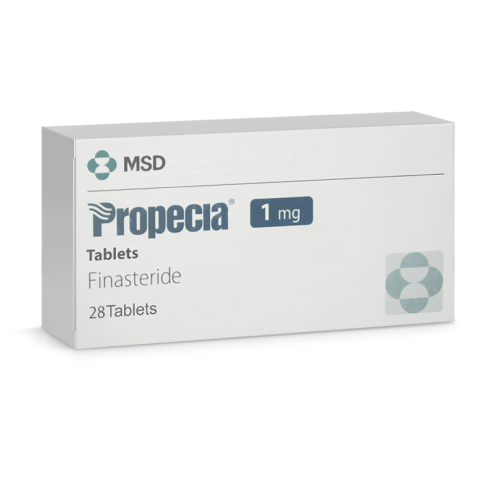
Can you obtain Propecia without a prescription in the United States?
No, Propecia (finasteride) is a prescription medication in the United States. It cannot be legally obtained without a valid prescription from a licensed healthcare provider. Over-the-counter sales and non-prescribed online purchases are not permitted under U.S. law.
Key Takeaways – What to Know Before Starting Propecia
- Propecia is intended for adult men with male pattern hair loss (androgenetic alopecia); it does not treat all types of hair loss.
- Visible results typically appear after 3 to 6 months of continuous use. Stopping Propecia usually leads to gradual reversal of effects within 12 months.
- A prescription is required in the United States. Telemedicine consults are commonly available with board-certified dermatologists or primary care providers.
- The most important safety issue: Propecia can cause sexual side effects and is strictly contraindicated in women, especially during pregnancy, due to teratogenic risks.
- If you experience persistent side effects, consult your doctor promptly; do not discontinue or adjust the medication on your own.
- Only purchase from licensed U.S. pharmacies to avoid counterfeit or unsafe products.
How does Propecia work to treat hair loss?
Propecia’s active ingredient, finasteride, is a selective inhibitor of type II 5-alpha-reductase, a key enzyme responsible for converting testosterone into dihydrotestosterone (DHT) in hair follicles and the prostate. DHT is the primary androgen involved in the miniaturization of scalp hair follicles seen in male pattern baldness. By blocking 5-alpha-reductase, Propecia reduces scalp DHT concentrations by up to 60%, according to pharmacodynamic studies (FDA, PubMed).
The clinical result is a slowing or reversal of hair follicle miniaturization, prolonging the anagen (growth) phase of hair and allowing thicker, terminal hairs to persist. Not every patient will regrow hair, but the majority experience reduced hair loss and stabilization of balding patterns.
Simplified metaphor: Imagine each hair follicle as a plant threatened by a toxic chemical (DHT). Propecia acts like a filter, reducing the amount of this chemical at the root, so the plant can grow stronger and survive longer.
Propecia works independently of external triggers or situations; it does not require dietary changes, topical products, or behavioral modifications to exert its pharmacological effect. However, consistency in daily use is critical for efficacy.
Why Some Patients Misunderstand Propecia’s Results: A Clinician’s Perspective
In my experience, men often expect Propecia to rapidly regrow lost hair or halt hair loss within weeks. In reality, it can take several months before noticeable changes are apparent, and for some, visible regrowth may not occur, though hair loss may be stabilized. Patients also frequently underestimate the importance of continued daily use—discontinuing treatment even for a short period can cause progress to be lost. I remind patients that the most realistic goal is halting further loss, not dramatic regrowth. It’s also common for patients to neglect discussing sexual or mood changes due to embarrassment; proactive communication about side effects is vital for safe, effective therapy.
What is the recommended dosage and how should Propecia be taken?
Standard dosage: The typical dose for male pattern hair loss is 1 mg finasteride once daily, taken at the same time each day, with or without food. Higher doses are not recommended for this indication.
- Do not exceed 1 mg per day. Increasing the dose does not improve efficacy and may increase the risk of side effects.
- Duration: Most users begin to see benefits after 3–6 months; continued daily use is necessary to maintain results.
- Tablet splitting: If using the 1 mg formulation, tablets should not be split due to potential exposure risks, especially for women. Use intact tablets only.
- Missed doses: If a dose is missed, take it as soon as remembered unless it is near the next scheduled dose. Do not double up to compensate.
Special populations: No dosage adjustment is needed for healthy older adults, but Propecia is not indicated for men under 18, women, or pediatric patients. Safety and efficacy in these groups have not been established.
Does food, alcohol, or other lifestyle factors impact Propecia’s effectiveness?
Food: Finasteride can be taken with or without food. High-fat meals have not been shown to significantly affect absorption or effectiveness (FDA).
Alcohol: Moderate alcohol consumption does not appear to interact directly with Propecia, but excessive drinking can negatively impact overall hair health and hormonal balance. There is no strict prohibition, but moderation is advised.
Grapefruit juice: Grapefruit juice does not significantly alter finasteride metabolism, as it is mainly processed by the CYP3A4 enzyme system, but not to an extent notable for interaction risk. No dietary limitations specific to finasteride are required.
Lifestyle factors: Stress, sleep deprivation, poor nutrition, and underlying medical conditions can all influence hair loss and may affect the overall success of any treatment plan, including Propecia.
What are the absolute and relative contraindications for Propecia?
Absolute contraindications (never use):
- Women who are or may become pregnant: Finasteride is teratogenic and can cause birth defects in a male fetus. Handling crushed or broken tablets is unsafe for women of childbearing age.
- Known hypersensitivity or allergy to finasteride or any inactive ingredients.
- Pediatric patients and males under 18 years old.
- Liver impairment: Finasteride is metabolized by the liver. Those with significant liver disease should discuss risks with their physician.
- Prostate cancer: Propecia may alter PSA (prostate-specific antigen) levels, which could delay diagnosis or affect monitoring of prostate cancer. Inform your urologist if you are taking Propecia.
- Concurrent use of other 5-alpha-reductase inhibitors or medications affecting androgen levels.
Timing after certain events: There are no established waiting periods after heart attack, stroke, or major surgery, but medical supervision is essential before initiating therapy in such contexts.
What side effects are most common with Propecia?
- Very common (>1/10): None identified in clinical trials.
- Common (1/100 to 1/10):
- Reduced libido (sexual desire)
- Erectile dysfunction
- Decreased semen volume
- Uncommon (1/1,000 to 1/100):
- Breast tenderness or enlargement (gynecomastia)
- Hypersensitivity reactions: skin rash, pruritus (itching)
- Testicular pain
- Rare (<1/1,000):
- Depression
- Male infertility (reversible upon discontinuation in most cases)
- Very rare (<1/10,000):
- Allergic swelling of lips, tongue, face (angioedema)
- Persistent sexual dysfunction after stopping medication (Post-Finasteride Syndrome) — evidence is mixed but should be discussed with your doctor
If you experience any of the above, especially persistent or severe side effects, stop the medication and speak to your healthcare provider immediately. Seek emergency care if you develop swelling of the face, lips, or tongue, or difficulty breathing.
Mechanism of sexual side effects: By lowering DHT, finasteride can disrupt hormonal balance involved in sexual function. Most side effects resolve after discontinuing the medication.
Common Mistakes Patients Make When Using Propecia (and How to Avoid Them)
- Stopping treatment too soon: Many men stop after 2–3 months, not realizing that visible results often take at least 6 months. Solution: Continue daily use as prescribed and set realistic expectations with your doctor.
- Missing doses regularly: Skipping pills or taking them inconsistently reduces effectiveness. Solution: Build pill-taking into a daily routine, such as with breakfast.
- Splitting or crushing tablets: This can cause dosing errors and unsafe exposure, particularly hazardous for women in the household. Solution: Use only intact tablets.
- Ignoring new or persistent side effects: Some patients are embarrassed to report sexual, mood, or breast changes. Solution: Promptly discuss side effects with your doctor; early intervention can improve outcomes.
- Buying from unverified online sources: This risks counterfeit or substandard medication. Solution: Only use licensed U.S. pharmacies or telemedicine services with proper verification.
- Failing to inform other doctors (e.g., urologist) about Propecia use: Finasteride can lower PSA levels, affecting prostate cancer screening. Solution: Always disclose Propecia use to your healthcare providers.
How does Propecia compare to alternative treatments for male pattern hair loss?
The main alternatives to Propecia are topical minoxidil, oral dutasteride, and non-pharmacologic options like hair transplantation or laser therapy. Each has unique benefits, risks, and costs. See comparison below:
| Medication | Formulation | Onset of Effect | Duration of Action | Common Side Effects | Approximate Cost (USD, 30 days) | Prescription Required? |
|---|---|---|---|---|---|---|
| Propecia (finasteride 1mg) | Oral tablet | 3–6 months | Requires daily ongoing use | Sexual dysfunction, decreased libido, gynecomastia | $25–$75 (generic: $10–$30) | Yes |
| Minoxidil (Rogaine) | Topical solution/foam | 2–4 months | Requires daily ongoing use | Scalp irritation, unwanted facial hair | $20–$45 (OTC) | No |
| Dutasteride (Avodart) | Oral capsule | 3–6 months | Requires daily ongoing use | Sexual dysfunction, gynecomastia, risk of depression | $80–$130 (generic: $40–$80) | Yes (off-label for hair loss) |
Bottom line: Propecia is the only oral medication FDA-approved for male pattern hair loss. Minoxidil is available over-the-counter, while dutasteride (more potent but not FDA-approved for hair loss) may be prescribed off-label.
Propecia: Technical Characteristics at a Glance
| Active Ingredient | Finasteride |
| Dose Strengths | 1 mg tablets (hair loss), 5 mg tablets (benign prostatic hyperplasia) |
| Formulation | Oral tablet (film-coated) |
| Peak Plasma Time | 1–2 hours post-dose |
| Half-life (T1/2) | 4.8–7.1 hours (longer in elderly) |
| Metabolism | Primarily hepatic (liver) |
| Elimination | Urine (as metabolites), feces |
| Storage | Room temperature (20–25°C/68–77°F), keep in original packaging |
Propecia Compatibility with Other Substances
| Substance/Product | Is it Compatible? | Potential Consequences |
|---|---|---|
| Minoxidil (topical) | Yes | No significant interaction; often used together for added benefit |
| Dutasteride (oral) | Caution | Not typically combined; increased side effect risk |
| Saw palmetto supplements | Caution | Similar mechanism; may increase side effects |
| Alcohol (moderate intake) | Yes | No direct interaction, but moderation advised |
| Warfarin (blood thinner) | Yes, but monitor | No significant interaction expected, but inform your physician |
| Testosterone supplements | Caution | May reduce efficacy of Propecia, increase DHT production |
What is the process for getting Propecia through legal channels in the United States?
- Consultation: Schedule an appointment with a qualified doctor—preferably a dermatologist, but primary care providers can also prescribe. Telemedicine services are widely available.
- Medical Assessment: The doctor will evaluate your pattern of hair loss, medical history, and potential contraindications. They may discuss expectations, side effects, and alternative treatments.
- Prescription Issuance: If appropriate, the physician writes an electronic or paper prescription for Propecia (finasteride 1 mg).
- Pharmacy Fulfillment: Take your prescription to a licensed U.S. pharmacy in-person or submit it to a verified online/mail-order pharmacy. Insurance coverage varies; many plans do not cover Propecia for hair loss.
- Ongoing Monitoring: Periodic follow-up appointments (in person or via telehealth) are recommended to monitor effectiveness and side effects. Treatment is generally long-term and should not be stopped without consulting your doctor.
Myth vs Reality: Propecia and Male Pattern Hair Loss
Myth: Propecia leads to instant hair regrowth in all men.
Reality: Most men experience stabilization or slowing of hair loss, with only some regrowing noticeably thicker hair. Patience and consistency are essential for any benefit.
How is Propecia processed in the body? (Pharmacokinetics Explained Simply)
After oral administration, finasteride is rapidly absorbed into the bloodstream, reaching peak concentration in 1–2 hours. The liver metabolizes finasteride using the cytochrome P450 3A4 enzyme system. The average elimination half-life (time for half of the drug to leave the bloodstream) is about 5–7 hours in younger adults and up to 8 hours in older individuals. Metabolites are excreted primarily in urine and, to a lesser extent, feces. No dose adjustment is needed for mild to moderate kidney impairment.
Implication: Patients with severe liver disease may be at higher risk for adverse effects, and caution is advised.
Are there special considerations for certain patient groups or activities?
- Chronic liver disease: Propecia is metabolized in the liver; discuss risks and benefits with your provider.
- Kidney disease: No major concerns for mild to moderate cases.
- Fertility: Rarely, finasteride can decrease sperm count and motility, which may be reversible after stopping. Men attempting to father a child should discuss this with their doctor.
- Women: Propecia is not indicated for women, and exposure during pregnancy can cause birth defects.
- Driving and machinery: Propecia does not impair cognitive function or the ability to drive.
Are generic versions of Propecia safe and effective?
Yes, generic finasteride is available in the United States and is considered therapeutically equivalent to Propecia, having passed FDA bioequivalence standards. Generics may use different inactive ingredients (excipients), which rarely cause allergic reactions. Both original and generic versions should display the same active ingredient, dose strength, and similar packaging information.
Generics offer significant cost savings—often less than $1 per tablet, compared to $2–$3 or more for the branded product. Patients should inform their pharmacist and prescriber of any known allergies to dyes or inactive ingredients.
Psychological and emotional support for men with hair loss
Male pattern hair loss is common and can affect self-esteem and confidence. Remember, you are not alone, and effective treatments are available. If hair loss is causing significant distress, consider discussing your feelings with your partner or a mental health professional. Addressing both physical and psychological aspects can improve overall quality of life.
How can I tell if my Propecia is authentic and high-quality?
- Original Propecia tablets are tan, octagonal, with “PROPECIA” and “MSD 72” embossed on one side (U.S. version). Generics may vary in color and shape but should match the description in pharmacy records.
- Packaging should include a tamper-proof seal, expiration date, NDC (national drug code), and manufacturer information.
- Some bottles/boxes contain QR codes or holograms for authenticity (check manufacturer’s website for specifics).
- A significantly lower price or unbranded packaging is often a sign of a counterfeit or grey market product.
When in doubt, verify your pharmacy’s legitimacy using FDA’s BeSafeRx tool.
How can I identify legitimate pharmacies and avoid unsafe online sellers in the United States?
- Legitimate online pharmacies: Always require a valid prescription, display a U.S. address and phone number, and are licensed in your state (check with your state board of pharmacy).
- Trusted pharmacy verification: Look for the .pharmacy domain or NABP (National Association of Boards of Pharmacy) accreditation.
- Red flags: No prescription required, prices that are “too good to be true,” no verifiable contact information, or international shipping for a U.S. prescription drug.
- Risks of unlicensed sellers: Counterfeit drugs, contamination, incorrect dosing, or expired products. Serious health risks may result.
- When in doubt, consult the FDA’s BeSafeRx resource or your local pharmacist.
What should I do if I accidentally take too much Propecia?
- Stop taking the medication immediately.
- Call emergency services (911) or go to the nearest emergency department if you feel unwell, or if a woman or child might have been exposed.
- Inform the healthcare provider exactly how many tablets were taken and when.
- Do not attempt to induce vomiting unless specifically instructed by medical personnel.
No life-threatening overdose cases have been reported at typical doses, but prompt medical evaluation is essential.
Questions Patients Most Often Ask Doctor About Propecia
- How will I know if Propecia is working for me?
- You’ll most often notice decreased hair shedding within 3–6 months. Regrowth, if it occurs, is usually seen at the crown or vertex. Periodic photos and scalp exams help us monitor progress objectively.
- Is it safe to use Propecia long-term?
- For most healthy adult men, long-term use is considered safe based on over 20 years of data. We’ll review your health and side effect profile at regular intervals to ensure ongoing suitability.
- Can Propecia affect my testosterone levels or overall health?
- Finasteride lowers DHT but does not significantly impact overall testosterone levels. Some men experience sexual side effects, which are usually reversible. Please report any persistent symptoms.
- What should I do if I want to stop taking Propecia?
- Speak with me before stopping. Most men see gradual return of hair loss over 6–12 months after discontinuation. We can discuss alternative options if needed.
- Will insurance cover my prescription?
- Most insurance plans in the U.S. do not cover Propecia for hair loss, as it’s considered a cosmetic treatment. Generic finasteride is more affordable, and we’ll discuss cost-saving strategies if needed.
- How do we monitor for side effects or complications?
- We’ll review your symptoms and any concerns at follow-up visits. If you experience sexual, mood, or breast changes, let me know promptly. Routine blood tests are not usually required unless indicated by your health status.
- Are there interactions with my other medications?
- Finasteride rarely interacts with other drugs, but please share a complete medication list so I can review for possible issues, especially with hormonal or prostate medications.
Clinical Assessment by Doctor: Who Should Consider Propecia, and Who Should Not?
In my clinical practice, Propecia is most appropriate for adult men with early to moderate male pattern hair loss who wish to preserve existing hair or slow further loss. The medication is less likely to produce dramatic results for men with advanced hair thinning or extensive scalp baldness, where regrowth is limited. Patients with a strong family history of androgenetic alopecia often benefit from early intervention. However, men who are planning to father a child in the near future, have a history of significant sexual side effects, or have underlying liver disease may not be ideal candidates. Alternative treatments such as minoxidil, low-level laser therapy, or surgical hair restoration may be preferable in these situations. Whenever side effects outweigh perceived benefits or if there is no meaningful response after 12 months, I typically recommend reassessing the treatment plan. Ultimately, patient preference, risk tolerance, and expectations should guide therapy decisions.
Frequently Asked Questions About Propecia in the United States
- How effective is Propecia for treating male pattern hair loss?
- Clinical studies and long-term use data show that Propecia slows hair loss in over 80% of men and promotes some regrowth in about two-thirds of users. Results vary by age, family history, and pattern of hair loss.
- How long does it take to see results?
- Most men notice reduced hair shedding after 3–6 months. Maximum benefit is typically seen after 12 months of consistent daily use. Stopping treatment usually reverses any gains within a year.
- Is a prescription required for Propecia in the United States?
- Yes, you need a prescription from a licensed healthcare provider. Propecia cannot be legally purchased over the counter or without medical supervision.
- Is it safe to buy Propecia online?
- You should only use accredited U.S. online pharmacies that require a prescription and are verified by the National Association of Boards of Pharmacy or the FDA. Avoid websites that do not require a prescription or ship from outside the United States.
- What is the approximate cost of Propecia and its generics?
- Brand-name Propecia typically costs $25–$75 for a 30-day supply. Generic finasteride is available for $10–$30 per month at most U.S. pharmacies. Prices vary by pharmacy and location.
- What should I do if I miss a dose?
- Take the missed dose as soon as you remember, unless it is almost time for your next dose. Do not double up doses. Missing occasional doses does not significantly affect long-term results.
- Can Propecia be used in women?
- No, Propecia is not indicated for women and is strictly contraindicated during pregnancy due to the risk of birth defects. Women should not handle crushed or broken tablets.
- What are the most common side effects?
- The most common side effects are reduced sexual desire, erectile dysfunction, and decreased semen volume. Most side effects resolve after stopping the medication.
- How long does Propecia stay in your system?
- Finasteride’s half-life is about 5–7 hours, but its effect on DHT can persist for up to 2 weeks after the last dose. Complete reversal of effects on hair follicles takes months.
- Can Propecia be combined with other hair loss treatments?
- Yes, it is commonly combined with topical minoxidil for added benefit. Combining with other oral 5-alpha-reductase inhibitors is not generally recommended without medical supervision.
References
- FDA. Propecia (finasteride) Prescribing Information. Accessed June 2026. https://www.fda.gov/
- Mayo Clinic. Finasteride (Oral Route) Description and Brand Names. Accessed June 2026. https://www.mayoclinic.org/
- National Institutes of Health PubMed. Clinical studies on finasteride for androgenetic alopecia. Accessed June 2026. https://pubmed.ncbi.nlm.nih.gov/
- American Academy of Dermatology Association. Hair Loss Treatments: What Works and What Doesn’t. Accessed June 2026. https://www.aad.org/
- National Association of Boards of Pharmacy. Safe Online Pharmacies. Accessed June 2026. https://www.nabp.pharmacy/
- FDA BeSafeRx – Know Your Online Pharmacy. Accessed June 2026. https://www.fda.gov/drugs/besaferx-your-source-online-pharmacy-information