Krushmi Chheda

  • HOME
  • ABOUT US
    • ABOUT KRUSHMI
    • CORE
    • TEAM
  • WE OFFER
    • NUTRITION
    • FITNESS
    • HEALTH
    • CLINICAL PILATES
  • TESTIMONIALS
  • GALLERY
  • BLOGS
  • CONTACT US
  • HOME
  • ABOUT US
    • ABOUT KRUSHMI
    • CORE
    • TEAM
  • WE OFFER
    • NUTRITION
    • FITNESS
    • HEALTH
    • CLINICAL PILATES
  • TESTIMONIALS
  • GALLERY
  • BLOGS
  • CONTACT US

October

Home2026October (Page 3)
Search

Il Scenario dei Operatori Online e la Ricerca al PiĂš vantaggioso Bonus

Il comparto del gioco d’azzardo telematico in Italia sta vivendo una etĂ  di profonda evoluzione. Oggi, i player italiani non vogliono più semplicemente il divertimento fine a se stesso, ma aspirano a rendere piĂš efficiente ogni specifica sessione di gioco sfruttando le promozioni più interessanti e chiare del segmento. Scegliere tra le molteplici promozioni comporta però un’valutazione precisa delle dinamiche promozionali applicate. Quando si valuta un maggiori informazioni all’interno di una offerta, è essenziale analizzare la praticabilitĂ  dei parametri di prelievo e la chiarezza dei criteri applicati previsti dall’fornitore.

Le Tipologie di Agevolazioni Più Apprezzate

Nel quadro corrente, i provider dotati di regolare permesso dello Stato offrono proposte di promozione sempre più diversificate e competitive. Per fare una decisione informata, è necessario capire la organizzazione dei online casino bonus gratuiti offerti sulle piattaforme conformi. Non tutti i fondi promozionali sono identici: alcuni si abilitano all’iscrizione, altri incentivano la continuitĂ  nel tempo di utilizzo o i versamenti successivi. Selezionare i veri online casino bonus gratuiti significa guardare oltre la valore complessiva e stimare il vero beneficio della promozione.

Di seguito le maggiori categorie di promozioni che dominano il mercato italiano:

  • Promozioni senza pagamento: l’assegnazione di fondi virtuale o tentativi omaggio che viene attivata facilmente completando la convalida del utente tramite l’trasmissione del atto d’identificazione personale o l’validazione veloce tramite SPID.
  • Maggiorazioni sulla iniziale ricarica: capitali supplementari determinati in misura percentuale sulla base del iniziale trasferimento in capitale disponibile effettuato dal utente sul proprio profilo di gioco.
  • Tentativi senza costo (Free Spins): sessioni di gioco omaggio destinate a determinate slot machine, i cui risultati vengono normalmente attribuiti sotto tipologia di credito da liberare.
  • Programmi di compensazione (Cashback): la compensazione percentuale e pianificata di una frazione computata sulle somme perse nette registrate dall’utente in un definito periodo di durata.

Come Selezionare la Opzione Adatta

La preferenza della soluzione promozionale ottimale non può separarsi da una revisione tecnica e normativa della offerta. Quando si cerca alla selezione di un bonus senza deposito, il fondamentale punto da valutare è la visualizzazione del emblema del contrassegno dell’autoritĂ  di regolamentazione governativo, sinonimo concreto di affidabilitĂ , conformitĂ  e garanzia dei depositi. Un adeguato piano promozionale deve assicurare un perfetto rapporto tra il beneficio del bonus assegnato e la realizzabilitĂ  dei parametri di giocata (chiamati generalmente wagering o turnover).

Un ottimo bonus senza deposito offre abitualmente regole comprensibili, una percentuale elevata dei giochi online preferiti dall’fruitore (come le slot machine) e una validità operativa congruamente prolungata per poter cambiare i crediti virtuali in premi autentiche trasferibili. Solo studiando a fondo i criteri e le disposizioni di qualunque provider si può tradurre una generica agevolazione in un reale beneficio strategico all’interno di una sessione di gioco equilibrata e tutelata.
Krushmi Chheda
October 22, 2026
Spins
Read More

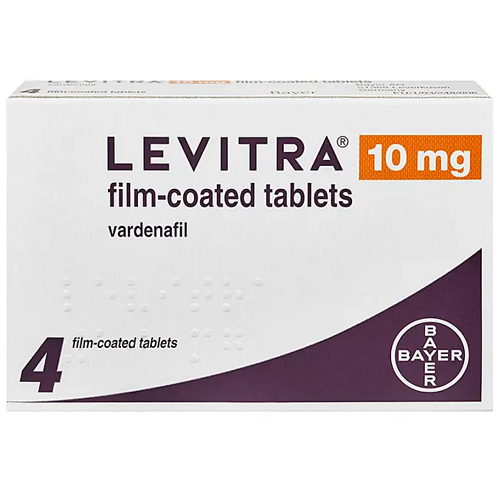
Buy Levitra at Low Price in the United States Online

  • Home/
  • Buy Levitra at Low Price in the United States Online
Buy Levitra at Low Price in the United States Online
Medication BrandLevitra
Main moleculeVardenafil
Treatment purposeErectile Dysfunction (ED)
Strength choices2.5 mg, 5 mg, 10 mg, 20 mg tablets
Action startup timeWithin 25–60 minutes after oral intake
Effect lifespanUp to 5 hours
Dosing patternAs needed, before anticipated sexual activity
Dietary compatibilityMay be affected by high-fat meals
Prescription status in USPrescription required (FDA-regulated)

Levitra for Erectile Dysfunction: Guidance & Options in United States

Levitra, containing the active agent vardenafil, is a clinically proven oral medicine for treating erectile dysfunction (ED). It is approved and controlled by the United States Food and Drug Administration (FDA), and can be legally obtained with a valid prescription from a licensed healthcare provider in the US. Its use is aimed at restoring the ability to achieve and maintain an erection sufficient for satisfactory sexual activity.

Coming to Terms with Erectile Dysfunction: How Common Is It?

Concerns about erectile difficulties are far more widespread than most realize — and are not limited to any one age or background. According to the Massachusetts Male Aging Study, as cited by the National Institutes of Health (NIH), approximately 30 million men in the United States are affected by some degree of erectile dysfunction (NIH, 2017). The American Urological Association (AUA, 2018) further notes that the likelihood of ED rises with age, but it also affects younger men due to stress, health conditions, or medications. Knowing you are not alone — and that effective solutions exist — is the often-overlooked first step toward resolving the issue.

How Levitra Targets the Physical Root of ED — and What This Means for You

Levitra addresses erectile dysfunction by influencing the natural process that controls blood flow to the penis. The active ingredient, vardenafil, blocks a specific enzyme called phosphodiesterase type 5 (PDE5). Under normal circumstances, PDE5 breaks down the chemical messenger (cGMP) responsible for relaxing the smooth muscles of the penile arteries. By blocking PDE5, Levitra allows cGMP to persist longer, resulting in improved blood flow when a man is sexually stimulated.

In practical terms, this means that after taking Levitra and experiencing sexual arousal, you are more likely to achieve and maintain an erection. This effect usually begins within an hour of taking the medication and can last for several hours, providing flexibility for the timing of sexual activity. However, sexual stimulation remains necessary; Levitra is not an aphrodisiac and does not cause an erection without arousal.

Does Levitra Match Your Needs? — Real-Life Scenarios for Decision-Making

Your situationIs Levitra right?Explanation
You want a reliable, fast-acting ED medication for planned encounters Yes, often preferred Levitra’s onset (about 30–60 min) and duration (up to 5 hrs) make it practical for anticipated activity.
You experience side effects from sildenafil (Viagra) or tadalafil (Cialis) Possibly yes Some men tolerate vardenafil better, though individual response varies; trying Levitra under medical supervision may help.
You have significant cardiovascular disease or take nitrates No, not suitable Levitra can dangerously lower blood pressure when combined with nitrate medications; alternative approaches are required.
You want a daily-use ED pill for spontaneous intimacy No, not ideal Levitra is designed for on-demand use, not continuous daily dosing; other medications may suit this preference better.

Review your own health status and goals. If you have questions about medication safety, previous adverse reactions, or concurrent medical issues, consult a healthcare provider or specialist in men’s health before starting any ED treatment.

How to Use Levitra Effectively: Real-World Guidance

  • Timing: Take one tablet, with or without food, approximately 60 minutes before sexual activity. High-fat meals can delay the effect, so a lighter meal is preferable for quicker onset.
  • Dosage: The usual starting dose is 10 mg, taken as needed. Your doctor may adjust the dose (from 5 mg up to 20 mg) based on effectiveness and side effects.
  • No sexual stimulation, no effect: Levitra works only if you are sexually aroused. It does not cause spontaneous erections.
  • If it doesn’t work the first time: Sometimes, anxiety or unfamiliarity can reduce effectiveness. Try at least a few occasions before judging its benefit. If results are consistently unsatisfactory, discuss with your healthcare provider; adjustment or alternative therapies may be appropriate.
  • Missed a dose? Since Levitra is taken as needed, there is no penalty for a missed dose. Do not take multiple doses within 24 hours.
  • What’s normal vs. cause for concern: Mild headache, flushing, or nasal congestion are common and typically resolve. However, if you experience chest pain, sudden vision loss, or an erection lasting longer than 4 hours (priapism), seek immediate medical attention.

Who Should Not Take Levitra — and Why

  • Use of nitrate medications (for chest pain or heart conditions): Combining Levitra with nitrates can cause a dangerous drop in blood pressure, risking fainting or heart complications.
  • Severe heart or liver problems: Conditions like advanced heart failure or severe liver impairment make the body unable to process vardenafil safely, heightening risk of side effects.
  • Recent stroke or heart attack: Taking Levitra soon after these events increases strain on the cardiovascular system.
  • Inherited retinal disorders (such as retinitis pigmentosa): Vardenafil may worsen vision issues in these rare conditions.
  • Known allergy to vardenafil or other tablet ingredients: Allergic reactions are possible and can be severe.

Each of these contraindications is based on known physiological risks. Your doctor will review your medical history to assess safety — and you should be prepared to discuss all current medications and health issues.

Potential Side Effects: What to Expect and When to Worry

Like all prescription medications, Levitra can cause side effects. Most are mild and temporary:

  • Frequently reported: Headache, flushing, nasal congestion, upset stomach.
  • Sometimes: Dizziness, back pain, vision changes (such as a blue tinge or blurred vision).
  • Rare but serious (require urgent care): Chest pain, sudden hearing or vision loss, or an erection lasting more than 4 hours. If any of these occur, call emergency services (911 in the US) without delay.

Most people tolerate Levitra well, especially when used at the prescribed dose. If you notice symptoms that do not resolve or worsen, contact your healthcare provider promptly.

Drug Interactions: What Requires Special Attention?

Levitra can interact with several classes of medications, potentially increasing risk of side effects or reducing effectiveness. Key interactions include:

  • Nitrates and nitrites: Dangerous blood pressure drops; absolute contraindication.
  • Alpha-blockers (for blood pressure or prostate symptoms): May further lower blood pressure if taken close together; timing separation is needed.
  • Certain antifungal and antibiotic agents: Drugs like ketoconazole, itraconazole, or clarithromycin can raise vardenafil blood levels, increasing risk of side effects.
  • Protease inhibitors (for HIV): These significantly increase blood levels of vardenafil; lower doses or alternative therapies may be required.
  • Other ED medications: Combining with sildenafil, tadalafil, or avanafil can increase side effects without extra benefit — do not mix.

Always provide your doctor or pharmacist with a list of all medications and supplements you take. If you are unsure about a specific interaction, check with your provider before using Levitra.

Levitra, Viagra, Cialis — How Do They Really Compare?

Medication Active ingredient How fast it works How long it lasts Special considerations
Levitra Vardenafil 25–60 min Up to 5 hrs Less affected by moderate meals; some men report fewer visual changes
Viagra Sildenafil 30–60 min 4–5 hrs Can be delayed by food; more likely to cause visual disturbances
Cialis Tadalafil 30–45 min Up to 36 hrs Long “weekend” effect; can be taken daily at low doses

No single medication is “best” for everyone. Levitra may suit those looking for a balance between rapid onset and moderate duration, and those who have had side effects with other ED drugs. Cialis is preferable for those wanting spontaneity over a longer window, while Viagra remains a popular choice with a decades-long track record. The decision is individual, based on desired timing, tolerance, and health status. Discussing your needs with a healthcare provider can clarify which is most appropriate for your situation.

What You Will Actually Pay — Levitra Cost Breakdown in the United States

Cost item Amount (USD) Note
Doctor consultation (in-person) $100–$250 Typical range for initial evaluation; may be covered by insurance
Telemedicine consultation $30–$80 Online platforms offer lower-cost, prescription-issuing visits
Prescription fee $0–$20 Some clinics charge a separate fee for the prescription
Levitra 10 mg (4 tablets) $120–$300 Brand name; price varies by pharmacy and insurance coverage
Generic vardenafil 10 mg (4 tablets) $30–$60 Generic versions are widely available and much less expensive
Shipping/delivery $0–$25 Depends on online pharmacy and speed of shipping
Total (minimum scenario) $60–$105 Telemedicine, generic, no shipping fee
Total (maximum scenario) $345–$595 In-person consult, brand name, fastest shipping

Be sure to confirm current prices with your chosen provider or pharmacy. Insurance coverage for ED medications is variable in the US; many plans do not cover brand name versions, but may allow partial coverage for generics. Online services often combine consultation, prescription, and delivery for convenience — but verify legitimacy and licensing before purchase. The US Food and Drug Administration (FDA) warns to avoid sites selling prescription medications without requiring a prescription, as these may be unsafe or counterfeit.

Final Details: What If You Have Additional Concerns or Unique Needs?

If you have medical conditions not addressed here, such as complex drug regimens, rare diseases, or persistent ED despite standard treatments, a specialist in men’s health or a urologist can provide more tailored options. Some men may benefit from alternative therapies — including mechanical devices, psychological support, or hormonal treatment — if oral medications do not meet their needs. Always prioritize reputable pharmacies and licensed healthcare professionals when seeking ED treatment: this protects your safety and ensures compliance with US law.

Where this information comes from

  • National Institutes of Health (NIH), 2017
  • American Urological Association (AUA), 2018
  • US Food and Drug Administration (FDA)
October 20, 2026
Read More

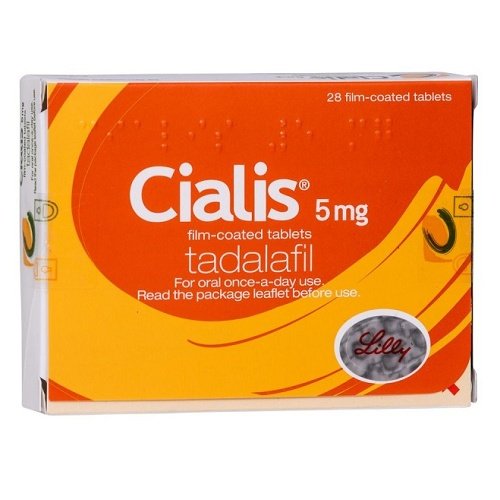
Buy Cialis at Low Price in the United States Online

  • Home/
  • Buy Cialis at Low Price in the United States Online
Buy Cialis at Low Price in the United States Online
This article is for informational purposes only. Medication use is only possible after consultation with a doctor. Self-medication can be dangerous to your health.

Can Cialis Be Obtained Without a Prescription in the United States?

No, Cialis (tadalafil) is a prescription-only medication in the United States. It cannot be lawfully obtained without a valid prescription from a licensed healthcare provider.

Key Takeaways

  • Cialis is used to treat erectile dysfunction (ED) and benign prostatic hyperplasia in adult men.
  • A valid prescription from a licensed healthcare provider is required to obtain Cialis in the United States.
  • The drug is most suitable for men with ED who require a longer window of effectiveness (up to 36 hours).
  • It is generally well-tolerated, but serious interactions and side effects can occur, especially with nitrates or certain cardiac conditions.
  • Results usually occur within 30–60 minutes of taking Cialis and require sexual stimulation for full effect.
  • Consult a healthcare provider promptly if you experience chest pain, vision changes, or an erection lasting longer than four hours.

What Is Cialis and Who Is It For?

Cialis (active ingredient: tadalafil) is a phosphodiesterase type 5 (PDE5) inhibitor used primarily for the treatment of erectile dysfunction (ED) and, in some cases, benign prostatic hyperplasia (BPH). Approved by the U.S. Food & Drug Administration (FDA) [FDA], Cialis has been widely prescribed since 2003 and is now available as both brand-name and generic formulations.

Cialis is intended for adult men who have difficulty achieving or maintaining an erection sufficient for satisfactory sexual performance. In the United States, it is not indicated for women or children. Patients seeking evaluation for ED should consult a qualified healthcare provider for a full assessment to identify underlying health conditions.

How Does Cialis Work? Understanding Its Mechanism of Action

Cialis acts as a PDE5 inhibitor. In simple terms, it blocks the enzyme phosphodiesterase type 5, which is responsible for breaking down cyclic guanosine monophosphate (cGMP) in the smooth muscle cells lining blood vessels supplying the corpus cavernosum in the penis.

When sexual stimulation occurs, nitric oxide is released in the corpus cavernosum, leading to increased cGMP and, as a result, smooth muscle relaxation and vasodilation. This process allows more blood to flow into the penis, facilitating an erection. Cialis does not increase sexual desire and will not cause an erection without sexual arousal.

Simplified Metaphor: Think of Cialis as keeping the “gates” to increased blood flow open longer, but only when there is a signal (sexual stimulation) to do so.

Key Pharmacological Facts:

  • Onset of action: typically 30–60 minutes after ingestion.
  • Duration: can last up to 36 hours (“the weekend pill”).
  • Requires sexual stimulation to be effective.
[PubMed]

Why Patients Often Overestimate Cialis’s Speed and Consistency

As a clinician, I frequently encounter men who expect Cialis to produce immediate, automatic results, regardless of context. Many are surprised to learn that sexual arousal is still essential. Some patients become discouraged if results aren’t noticeable in the first hour, or if effects vary between uses. It’s also common for men to focus solely on the drug’s duration and overlook individual variability—factors like recent meals, alcohol, or stress can modulate effectiveness. Another point often missed: Cialis does not address underlying causes of ED, and long-term success may depend on lifestyle, psychological support, or addressing comorbidities. Proactively discussing these realities helps prevent frustration and reduces the temptation to self-adjust dosing.

How Should Cialis Be Taken? Dosage, Administration, and Timing Explained

Standard starting dose for ED: 10 mg taken at least 30 minutes before anticipated sexual activity. Depending on effectiveness and tolerability, the dose may be increased to 20 mg or decreased to 5 mg. For once-daily use, the typical starting dose is 2.5 mg taken at the same time each day, without regard to timing of sexual activity.

  • Never exceed 20 mg in a single dose or 20 mg within 24 hours.
  • Cialis tablets should be swallowed whole with water; do not split or crush unless the product is specifically designed for splitting.
  • Patients aged 65 and older or those with mild-to-moderate renal or hepatic impairment usually do not require initial dose adjustment, but dose titration should proceed with caution and under medical supervision.
  • Patients with severe renal or hepatic impairment: Use is not recommended without specialist supervision.

Peak effect: Maximum blood plasma concentrations occur 2 hours post-dose; sexual activity can be attempted any time between 30 minutes and 36 hours after dosing.

Myth vs Reality: Myth: “Cialis can be taken at any time and will always work.”
Reality: The effectiveness depends on timing, recent food intake, and individual metabolism. Results may vary.

How Do Food, Alcohol, and Lifestyle Choices Impact Cialis?

Food: Cialis can be taken with or without food. However, high-fat meals may delay the onset of action by up to 1 hour, though the overall effect is not diminished.

Alcohol: Moderate consumption (1–2 standard drinks) is generally not contraindicated, but excessive intake increases the risk of orthostatic hypotension (dangerously low blood pressure when standing). Combining Cialis with large amounts of alcohol (>5 units) can cause dizziness, headache, or fainting.

Grapefruit juice: Should be avoided as it can increase blood levels of tadalafil, raising the risk of side effects due to CYP3A4 enzyme inhibition.

Key lifestyle advice: Do not combine Cialis with recreational drugs or other ED medications unless specifically directed by a healthcare provider.

Who Should Not Use Cialis? Contraindications and Absolute Red Flags

  • Absolute contraindications:
    • Concurrent use of nitrates (e.g., nitroglycerin, isosorbide dinitrate) — risk of life-threatening hypotension.
    • Severe cardiac disease (unstable angina, recent heart attack within the past 90 days, recent stroke within the past 6 months).
    • Severe liver or kidney impairment (unless advised by a specialist).
    • Allergy or hypersensitivity to tadalafil or any component of the tablet.
  • Relative contraindications (use with caution):
    • Alpha-blocker therapy for prostate conditions — may potentiate blood pressure lowering effects.
    • Significant arrhythmias, poorly controlled hypertension, or hypotension (resting BP < 90/50 mmHg).
    • Known hereditary degenerative retinal disorders (e.g., retinitis pigmentosa).

After a heart attack or stroke: A minimum waiting period of 3–6 months is generally required, with cardiology clearance, before considering Cialis.

What Side Effects Are Most Common with Cialis?

Very common (>1/10):
Headache, indigestion.
Common (1/100 to 1/10):
Facial flushing, back pain, muscle aches, nasal congestion, pain in limbs.
Uncommon (1/1,000 to 1/100):
Dizziness, blurred vision, palpitations.
Rare (<1/1,000):
Prolonged erection (>4 hours, priapism), sudden hearing loss, non-arteritic anterior ischemic optic neuropathy (NAION).

Mechanism behind key effects: Most side effects are due to vasodilation (widening of blood vessels), leading to increased blood flow (and the associated flushing, headache, or nasal symptoms). Back pain and myalgia are believed to result from PDE5 inhibition in muscle tissue.

What to do if side effects occur: Mild symptoms often resolve on their own. If you experience chest pain, sudden vision loss, or an erection lasting longer than four hours, stop taking Cialis and seek immediate medical attention.

Pharmacokinetics: How Is Cialis Metabolized and Eliminated?

Absorption: Peak plasma concentrations are reached within 2 hours of oral administration.

Metabolism: Cialis is metabolized mainly in the liver via the cytochrome P450 enzyme CYP3A4 pathway, forming inactive metabolites.

Elimination: Excretion occurs mainly via feces (about 61%) and urine (about 36%). The elimination half-life is approximately 17.5 hours, accounting for the extended duration of action.

Clinical implications: Patients with severe liver or kidney impairment may experience higher blood levels and prolonged effects, increasing the risk of adverse reactions. Dose adjustments or specialist supervision may be necessary in these populations.

Compatibility of Cialis with Other Medications and Products

Product Type Can It Be Combined? Clinical Consequence
Nitrates (e.g., nitroglycerin) NO Life-threatening drop in blood pressure
Alpha-blockers (e.g., tamsulosin) Caution May cause symptomatic hypotension
Grapefruit juice Avoid Increases tadalafil levels, risk of side effects
Alcohol (moderate) Yes (limited) Increased risk of dizziness, hypotension
Aspirin Yes No significant interaction
Other PDE5 inhibitors (e.g., sildenafil) NO No added benefit, increased side effect risk

Special Considerations for Certain Patient Groups

  • Elderly patients (>65 years): No routine dosage adjustment, but increased sensitivity may occur. Start at the lowest effective dose.
  • Patients with liver or kidney impairment: Mild to moderate impairment may require lower doses; severe impairment typically precludes use without specialist oversight.
  • Cardiovascular disease: Patients with unstable cardiovascular disease should avoid Cialis. Clearance by a cardiologist is required post-cardiac event.
  • Impact on driving/operating machinery: Occasional dizziness or vision changes may occur; use caution until the individual response is known.
  • Fertility and family planning: No evidence suggests Cialis has negative effects on sperm parameters or fertility when used as directed.

What Mistakes Should Patients Avoid with Cialis? Common User Errors and How to Prevent Them

  • Taking Cialis without sexual stimulation: Cialis only works in response to sexual arousal. Skipping foreplay or assuming automatic effects leads to disappointment.
  • Doubling up on doses after inadequate response: Increasing the dose without consulting a provider increases side effect risk without ensuring benefit.
  • Combining with other ED medications or nitrates: This dramatically increases the risk of dangerous hypotension and adverse reactions.
  • Ignoring the impact of meals and alcohol: Large, fatty meals or excessive alcohol can delay onset or reduce effectiveness, especially if not anticipated.
  • Using medication obtained from unverified sources: Counterfeit products are a significant risk for inefficacy and health hazards.
  • Stopping treatment after one unsuccessful attempt: Effectiveness can vary; it may take several tries and dose adjustments under medical supervision to find the optimal regimen.

How Does Cialis Compare to Other Treatments for Erectile Dysfunction?

Medication Onset (minutes) Duration (hours) Common Side Effects Typical Cost/Tablet (USD)
Cialis (tadalafil) 30–60 Up to 36 Headache, flushing, muscle aches $8–$70 (brand/generic)
Viagra (sildenafil) 30–60 4–5 Headache, flushing, nasal congestion $7–$70 (brand/generic)
Levitra (vardenafil) 30–60 4–6 Headache, flushing, sinusitis $7–$60 (brand/generic)
  • Cialis stands out for its long duration (up to 36 hours), but is slower to wear off if side effects occur.
  • Viagra and Levitra have shorter windows (4–6 hours), which some patients prefer for predictable timing.
  • Generic versions of all three medications are widely available and can significantly reduce cost.

What Is the Step-by-Step Process for Getting Cialis in the United States?

  1. Consult a healthcare provider: Make an appointment with a primary care provider, urologist, or qualified telehealth service. Be prepared to discuss your medical history and current medications.
  2. Medical evaluation: The provider will review your symptoms, assess for causes of ED, and ensure Cialis is safe for you based on your health profile.
  3. Prescription issuance: If appropriate, the provider will issue a prescription for Cialis or its generic version.
  4. Pharmacy fulfillment: Take your prescription to a licensed retail or mail-order pharmacy. Many telehealth platforms can coordinate direct shipment to your home.
  5. Ongoing monitoring: Notify your provider of side effects or if the medication is not working as expected. Dose adjustments may be needed during follow-up visits.

How Can You Tell If an Online Pharmacy Is Legitimate in the United States?

Patient safety and product authenticity should always come first. In the United States, legitimate online pharmacies must be licensed by state boards of pharmacy and typically display the VIPPS (Verified Internet Pharmacy Practice Sites) seal. You can verify licensure through the National Association of Boards of Pharmacy (NABP).

  • Warning signs of unsafe sellers: No requirement for a prescription, prices far below market rates, lack of contact information, physical address outside the U.S., or no state licensure.
  • Risks of unregulated websites: Counterfeit, contaminated, or expired medications; lack of recourse if you are harmed; and legal jeopardy for importing prescription drugs without authorization.
  • Consumer protection tip: Always look for pharmacies accredited by NABP or your state board, and never share personal or payment information with websites that do not provide secure, verifiable credentials.

How to Spot Counterfeit Cialis and Understand the Difference Between Brand and Generic

Original Cialis comes in blister packs, with each tablet marked “C 5,” “C 10,” or “C 20,” depending on the strength. The tablets are almond-shaped (biconvex), light yellow in color, and sold in sealed, clearly labeled packaging.

  • Genuine products include tamper-evident features, batch numbers, expiration dates, and, for newer packs, may include a QR code or hologram for verification.
  • Counterfeit warning signs: Missing or inconsistent markings, poor-quality printing, unusual tablet color or shape, or packaging that lacks English labeling or looks generic.
  • An unusually low price is a red flag—counterfeit drugs often circulate online at prices far below those found at licensed U.S. pharmacies.

What are generics? Tadalafil generics are FDA-approved and contain the same active ingredient as brand-name Cialis. They may differ in shape, color, or excipients (inactive ingredients), which can occasionally cause allergic reactions in sensitive individuals. Generics are usually much less expensive, offering a safe and effective alternative if sourced from a reputable pharmacy.

How Should Genuine Cialis Look?

  • Light yellow, almond-shaped tablet, marked “C 5”, “C 10”, or “C 20.”
  • Packaging includes English labeling, batch and expiration dates, and (on recent packs) a QR code or hologram.
  • Blister packs are sealed and tamper-evident.

If in doubt, compare your product to images provided by the manufacturer (Eli Lilly) or consult your pharmacist.

What Should I Do If I Take Too Much Cialis?

  1. Stop taking Cialis immediately.
  2. Contact emergency services (911) or your local poison control center without delay.
  3. Provide the medical team with as much information as possible, including the dose, time of ingestion, and any symptoms you are experiencing.
  4. Do not attempt to induce vomiting or treat yourself at home.

Symptoms of overdose may include severe headache, dizziness, fainting, or prolonged erection. Prompt medical care reduces the risk of serious complications.

Psychological Support: You Are Not Alone

Erectile dysfunction is a common concern and can affect men of all ages. Psychological factors, such as stress or relationship issues, may play a role. Discussing these issues openly with your partner or a qualified mental health professional is a key part of comprehensive care and often improves treatment outcomes.

Questions Frequently Asked to doctor About Cialis Use

How long does it take before I know if Cialis is working for me?
Most men notice effects with the first or second dose, but optimal results may require several attempts and dose adjustments. If you do not experience any improvement after a few uses, consult your healthcare provider for further evaluation.
Is it safe to take Cialis if I have mild high blood pressure?
In many cases, yes—especially if your blood pressure is well-controlled and you are not taking nitrates or certain alpha-blockers. Always discuss all your medications and health conditions with your provider to determine safety.
What should I expect during my first few weeks on Cialis?
You may experience minor side effects like headache or muscle aches, which often resolve. It can take several tries to establish the best timing and dose for you. Keep track of any side effects or difficulties and discuss them at your follow-up appointment.
How will my doctor monitor my progress?
Follow-up generally involves assessing both the effectiveness of the medication and any side effects. Your doctor may adjust your dose or explore other contributing factors for ED if results are unsatisfactory.
Can I switch from another ED medication to Cialis?
Yes, but it’s important to wait the appropriate washout period between medications and to discuss the transition with your provider to avoid drug interactions or side effects.
Are there any lifestyle changes that could help Cialis work better?
Yes—regular exercise, addressing psychological stressors, maintaining a healthy weight, and avoiding excessive alcohol or recreational drugs can all improve overall erectile function and responsiveness to medication.

Cialis Technical Characteristics and Product Reference Table

Parameter Value
Active Ingredient Tadalafil
Available Strengths 2.5 mg, 5 mg, 10 mg, 20 mg
Formulation Oral tablet
Onset of Action 30–60 minutes
Duration of Action Up to 36 hours
Storage Store at 20–25°C (68–77°F), away from moisture
Manufacturer Eli Lilly (brand), multiple manufacturers (generic)
Prescription Status (U.S.) Prescription-only (Rx)

Alternatives and When to Consider Other Options

Options for ED treatment include sildenafil (Viagra), vardenafil (Levitra), and avanafil (Stendra), as well as non-pharmacological approaches like vacuum erection devices, psychological counseling, or surgical interventions for refractory cases. Some men may respond better to short-acting drugs or require additional workup for underlying health conditions.

It is important to discuss all available options with your provider to choose the most appropriate therapy for your situation.

Professional Clinical Assessment by doctor

In my practice, the patients who benefit most from Cialis often fit two profiles: those who prefer a spontaneous, less time-restricted window for intimacy, and those who seek a low-dose, daily regimen that supports consistent sexual activity. Men with stable cardiovascular health, managed hypertension, and no nitrate use are typically good candidates. However, Cialis is not ideal for patients with recent heart attacks, poorly controlled heart failure, severe liver or kidney disease, or those needing rapid-onset effects for planned encounters. Individuals with significant eye disorders or a history of priapism require careful evaluation. I also advise caution in men using alpha-blockers for prostate issues. When alternative therapies are appropriate, such as for those who cannot tolerate side effects or require immediate, short-duration action, switching to sildenafil or non-pharmacological treatments may be more suitable. Ultimately, the choice is individualized, balancing efficacy, safety, and the patient’s lifestyle.

Frequently Asked Questions About Cialis in the United States

Is Cialis effective for all men with erectile dysfunction?
No. While Cialis is effective for many men, some may not respond due to underlying health conditions, medication interactions, or psychological factors. A healthcare provider can help determine the most appropriate treatment.
How quickly does Cialis work, and how long does it last?
Cialis typically begins to work within 30–60 minutes. Its effects can last up to 36 hours, allowing flexibility in timing of sexual activity.
Do I need a prescription for Cialis in the United States?
Yes. Cialis is a prescription-only medication and cannot be legally obtained without a prescription from a licensed healthcare provider.
What are the most common side effects of Cialis?
The most common side effects are headache, indigestion, muscle aches, back pain, and facial flushing. Most are mild and temporary.
Can I take Cialis with alcohol?
Moderate alcohol consumption is generally safe, but excessive drinking can increase the risk of side effects such as dizziness and low blood pressure. Avoid combining Cialis with large amounts of alcohol.
Is it safe to buy Cialis online?
Yes, but only from licensed U.S. pharmacies that require a prescription. Be cautious of websites offering Cialis without a prescription or at prices far below market value, as these may sell counterfeit or unsafe products.
Can I use Cialis daily?
Yes, Cialis is approved for daily use at lower doses (2.5 mg or 5 mg), which may benefit men who desire more frequent or spontaneous sexual activity. Discuss with your provider if this approach is right for you.
What should I do if Cialis doesn’t work for me?
Contact your healthcare provider, who can review your dose, timing, and address potential causes of treatment failure. Never increase your dose without medical advice.
How much does Cialis cost in the United States?
Prices vary widely. Generic tadalafil typically ranges from $8–$20 per tablet, while brand-name Cialis can cost $50–$70 per tablet. Many insurance plans do not cover ED medications, so out-of-pocket costs may apply.
How should I store Cialis?
Store at room temperature (68–77°F/20–25°C), away from moisture and direct sunlight. Keep out of reach of children.

References

  • U.S. Food & Drug Administration. Drugs@FDA: Cialis (tadalafil). Accessed 2026. https://www.fda.gov/
  • Mayo Clinic. Tadalafil (Oral Route): Description and Brand Names. Accessed 2026. https://www.mayoclinic.org/
  • National Institutes of Health. Tadalafil. Drug Information Portal. Accessed 2026. https://druginfo.nlm.nih.gov/
  • PubMed. Efficacy and safety of tadalafil in men with erectile dysfunction: a systematic review and meta-analysis. Accessed 2026. https://pubmed.ncbi.nlm.nih.gov/
  • American Urological Association. Guidelines on Erectile Dysfunction. Accessed 2026. https://www.auanet.org/
  • National Association of Boards of Pharmacy (NABP). VIPPS Accredited Pharmacies. Accessed 2026. https://nabp.pharmacy/
  • Eli Lilly and Company. Cialis Official Website. Accessed 2026. https://www.lilly.com/
October 20, 2026
Read More

Buy Viagra at Low Price in the United States Online

  • Home/
  • Buy Viagra at Low Price in the United States Online
Buy Viagra at Low Price in the United States Online
Important: This article is for informational purposes only. Do not use medication, including Viagra (sildenafil), without consulting a licensed healthcare provider. Self-medication can be dangerous and is strictly discouraged. Always follow your doctor’s instructions.

Viagra (Sildenafil) in the United States: The Complete, Evidence-Based Guide for Safe and Effective Use

  • Is a Prescription Required for Viagra in the United States?
  • Key Facts: Viagra at a Glance
  • How Does Viagra Work? Mechanism, Pharmacology, and What to Expect
  • How to Take Viagra: Dosage, Timing, and User Instructions
  • Viagra and Lifestyle: Food, Alcohol, and Drug Interactions
  • Who Should Not Take Viagra? Contraindications and Red Flags
  • What Side Effects Are Most Common with Viagra?
  • Viagra vs Alternatives: How Does It Compare?
  • Key Features of Viagra: Comparison Table
  • How to Obtain Viagra Legally in the United States: Step-by-Step
  • Is It Legal to Buy Viagra Online? Understanding US Pharmacy Regulations
  • Spotting Counterfeit Viagra: Safety, Packaging, and Generics
  • Viagra Overdose: What to Do and Whom to Call
  • Special Considerations: Older Adults, Heart Disease, and Other Groups
  • The Psychological Side: Support and Next Steps
  • Frequently Asked Questions (FAQ)
  • References
  • About the Author

Is a Prescription Required for Viagra in the United States?

No, you cannot legally obtain Viagra (sildenafil) in the United States without a prescription. The U.S. Food and Drug Administration (FDA) classifies Viagra as a prescription-only medication. Attempting to purchase it without a valid prescription is illegal and carries significant safety risks, including exposure to counterfeit drugs.

Key Facts: Viagra at a Glance

Parameter Value
Active Ingredient Sildenafil
Prescription Required? Yes (Rx only)
Standard Starting Dose 50 mg (varies per patient)
Onset of Action 30–60 minutes (may be delayed by fatty meals)
Duration of Effect Up to 4–5 hours
Major Contraindication Use with nitrate medications (life-threatening risk)
Availability in the US Original and FDA-approved generics

Bottom line: Viagra is safe and effective for most men with erectile dysfunction when prescribed by a doctor, but requires careful screening for contraindications and drug interactions.

How Does Viagra Work? Mechanism, Pharmacology, and What to Expect

Viagra’s active ingredient, sildenafil, belongs to a class of drugs called PDE-5 inhibitors. More precisely, it selectively inhibits the enzyme phosphodiesterase type 5 (PDE-5) in smooth muscle tissue of the penis. This inhibition leads to increased levels of cyclic guanosine monophosphate (cGMP), a molecule that relaxes blood vessels and allows increased blood flow.

But here’s the catch: Viagra only works when sexual stimulation causes the release of nitric oxide (NO) in the penis, which then activates cGMP production. Without sexual arousal, Viagra won’t create an erection on its own.

Metaphor: Think of Viagra as a “volume booster” for the body’s natural signal; it won’t play music if the stereo isn’t on to begin with.
  • Onset: Effects typically begin within 30–60 minutes after swallowing the tablet.
  • Duration: Most men experience improved erections for up to 4–5 hours, but actual activity window may be shorter as the drug concentration falls.
  • Pharmacokinetics: Sildenafil is metabolized mainly in the liver (via CYP3A4, CYP2C9 enzymes) and excreted by the kidneys and feces.
  • Half-life (T1/2): About 3–5 hours.

Myth vs Reality:
Myth: “Viagra causes instant, automatic erections.”
Reality: Sexual stimulation is always required for it to work.

References: See reference list below for latest U.S. and international studies.

How to Take Viagra: Dosage, Timing, and User Instructions

  1. Starting Dose: The typical recommended starting dose for most men is 50 mg, taken about 1 hour before anticipated sexual activity.
  2. Adjustment: Your doctor may increase the dose to a maximum of 100 mg or decrease to 25 mg depending on effectiveness and tolerability.
    (Never exceed 100 mg per 24 hours.)
  3. Administration: Swallow the tablet whole with a glass of water. Do not crush or split Viagra tablets unless directed by your prescriber (some generics may be scored, but original Viagra is not).
  4. Timing: Take on an empty stomach for fastest results. A high-fat meal can delay absorption by up to 60 minutes.
  5. Effect Duration: Effects may last up to 4–5 hours, but not all this time will guarantee success—arousal is still needed.
  6. Missed Dose: Viagra is taken as needed, not on a schedule, so there is no “missed dose” protocol.

Special dosing: For men over 65, those with significant kidney or liver impairment, or taking certain medications, a lower starting dose (25 mg) is often recommended. Always follow your healthcare provider’s instructions.

Do not take more than one dose in 24 hours. Overdosing increases the risk of side effects, some of which may be serious. See overdose instructions below.

Viagra and Lifestyle: Food, Alcohol, and Drug Interactions

Substance / Food Can You Combine? Consequences / Comments
High-fat meal Yes, but not recommended Delays absorption and onset by up to 1 hour.
Alcohol (1–2 drinks) Caution May increase side effects such as dizziness or drop in blood pressure; heavy use impairs erection.
Nitrate medicines NEVER Dangerous drop in blood pressure; life-threatening.
Grapefruit juice Not recommended Can raise blood levels of Viagra, resulting in more side effects.
Alpha-blockers Only under doctor supervision Risk of low blood pressure, fainting.
  • Alcohol: Light to moderate drinking (1–2 standard drinks) is generally safe, but heavy alcohol use reduces Viagra’s effectiveness and increases side effects.
  • High-fat foods: Delay effect; best to avoid before taking Viagra.
  • Grapefruit juice: May intensify effects and risks; generally best to avoid.
  • Nitrates (e.g., nitroglycerin, isosorbide): Do not combine—this is a major contraindication.

When in doubt, ask your doctor or pharmacist about interactions with other medications.

Who Should Not Take Viagra? Contraindications and Red Flags

Absolute Contraindications (NEVER use):

  • Concurrent use of nitrate medications in any form (tablets, sprays, patches)—may cause life-threatening low blood pressure.
  • Known allergy to sildenafil or any ingredient in Viagra.
  • Severe cardiovascular disease, including unstable angina or recent (<6 months) heart attack or stroke.
  • Severe liver impairment (Child-Pugh C).
  • Severe hypotension (resting BP <90/50 mmHg) or uncontrolled hypertension (>170/110 mmHg).
  • Hereditary degenerative retinal disorders (such as retinitis pigmentosa).

Relative Contraindications (use with caution):

  • Chronic stable heart disease—Viagra may be considered, but only after cardiology evaluation.
  • Mild to moderate kidney or liver impairment—dose reduction may be needed.
  • Men taking alpha-blockers for prostate problems or high blood pressure—monitor closely for hypotension.
  • History of priapism (painful, prolonged erection) or blood cell disorders (e.g., sickle cell anemia, leukemia).

Why so many precautions? Viagra can increase blood flow and lower blood pressure. If your cardiovascular system or medications are already altering these parameters, adding Viagra can push you into unsafe territory.

What Side Effects Are Most Common with Viagra?

Very Common (>10% of users):
  • Headache (due to blood vessel dilation)
  • Facial flushing
Common (1–10%):
  • Indigestion
  • Nasal congestion
  • Dizziness or lightheadedness
  • Visual changes (blue-tinged vision, blurred vision)
Uncommon/Rare (<1%):
  • Palpitations or irregular heartbeat
  • Ringing in the ears (tinnitus)
  • Sudden hearing loss
  • Painful erection lasting >4 hours (priapism)—requires immediate medical attention
  • Sudden vision loss—medical emergency
  • Allergic reactions (rash, swelling, hives)

Guidance: If you experience chest pain, sudden loss of vision or hearing, or an erection lasting longer than 4 hours, call 911 or go to the nearest emergency department.

Viagra vs Alternatives: How Does It Compare?

Viagra (sildenafil) is the best-known PDE-5 inhibitor, but it is not the only option. Other FDA-approved oral medications for erectile dysfunction in the United States include tadalafil (Cialis), vardenafil (Levitra), and avanafil (Stendra). Each has distinct features:

Drug Onset Duration Food effect Unique Feature
Viagra (sildenafil) 30–60 min Up to 4–5 hrs Delayed by high fat meal Strong safety profile, available as cost-effective generic
Cialis (tadalafil) 30–45 min Up to 36 hrs Minimal impact Approved for daily low-dose use
Levitra (vardenafil) 25–60 min Up to 6 hrs Slightly delayed by food May work in men who don’t respond to others
Stendra (avanafil) 15–30 min Up to 6 hrs Minimal effect Fastest onset

Summary: Viagra is reliable, affordable (as a generic), and effective for most men. Tadalafil lasts much longer and can be used daily for more spontaneous activity. Avanafil has the fastest onset.

Insurance note: Coverage for these medications varies in the US, with some plans covering generics but not branded products. Check with your insurance provider.

Key Features of Viagra: Structured Comparison Table

Parameter Details
Available strengths 25 mg, 50 mg, 100 mg
Time to peak plasma concentration ~1 hour (range: 30–120 min)
Metabolism Mainly liver (CYP3A4/CYP2C9)
Half-life 3–5 hours
Effect on driving Generally safe; caution with dizziness or visual changes
Cost (2026 average US retail) Generic: $2–$15 per tablet
Brand: $60–$80 per tablet

How to Obtain Viagra Legally in the United States: Step-by-Step

  1. Consult a Healthcare Provider: Schedule an appointment with your primary care doctor, urologist, or endocrinologist. Many men in the US also use licensed telehealth services (e.g., in New York, Chicago, Los Angeles) for more convenient access.
  2. Medical Evaluation: Expect a discussion of your symptoms, medical history, current medications, and possibly a physical exam or blood tests to rule out underlying conditions.
  3. Prescription Issued: If appropriate, your provider will write a prescription for Viagra (sildenafil), specifying the dose and quantity.
  4. Choose a Pharmacy: Fill your prescription at a local licensed pharmacy (CVS, Walgreens, Walmart, etc.) or an accredited online pharmacy operating within US law.
  5. Insurance/Payment: Submit your insurance, if applicable. Many insurance plans now cover generic sildenafil; copays and coverage levels vary.
  6. Pick Up or Delivery: Traditional pharmacies offer in-person pickup; some US pharmacies and telehealth providers can arrange for discreet home delivery.
  7. Follow-Up: Report any side effects or lack of efficacy to your prescriber for dosage adjustment or alternative recommendations.

Note: Never attempt to import Viagra from overseas websites or unlicensed sources—these are illegal and dangerous.

Is It Legal to Buy Viagra Online? Understanding US Pharmacy Regulations

In the United States, Viagra may only be dispensed by licensed pharmacies with a valid prescription. The FDA authorizes certain online pharmacies (look for .pharmacy domain or NABP VIPPS accreditation). These online services require a telemedicine consultation before prescribing.

  • Legal online pharmacies: Will always require a prescription and provide pharmacist counseling.
  • Warning signs of illegal sources: No prescription required, prices far below US averages, no US address or pharmacist contact.
  • Risks of illegal purchase: Counterfeit products, customs seizure, loss of money, and/or legal penalties.

Always verify: Check pharmacy registration with your state’s Board of Pharmacy, and confirm they are authorized to operate in your state.

Spotting Counterfeit Viagra: Safety, Packaging, and Generics

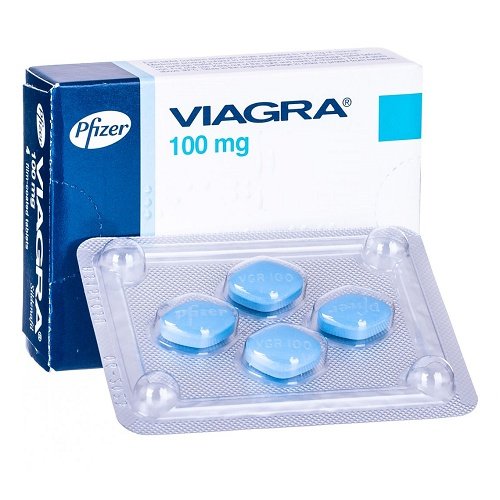
  • Original Viagra: Produced by Pfizer. Tablets are blue, diamond-shaped, with “Pfizer” on one side and “VGR” plus the dose (e.g., “VGR 100”) on the other. Only sold in blister packs with security features (hologram, batch number, QR code, 2D barcode in most states).
  • FDA-Approved Generics: Multiple manufacturers. Tablets may differ in color, shape, or imprint, but must be dispensed in labeled, tamper-evident packaging.
  • Counterfeit Warning Signs: Unusually low price, no prescription required, poor-quality packaging, misspelled labels, missing pharmacy labeling, unclear expiration dates, no lot number, or sales from foreign websites.
  • Excipients (inactive ingredients): Generics use different fillers/binders; discuss with your pharmacist if you have allergies (e.g., lactose intolerance, dye sensitivity).

Myth vs Reality:
Myth: “All generics are inferior.”
Reality: FDA-approved generics are as safe and effective as the brand when dispensed by a licensed US pharmacy.

What if you suspect a counterfeit? Contact the FDA’s MedWatch or your state Board of Pharmacy. Do not use the product.

Viagra Overdose: What to Do and Whom to Call

  1. Stop taking the medication immediately.
  2. Call 911 or your local emergency services without delay.
  3. Provide the exact dose and time of ingestion to medical staff.
  4. Bring the medication packaging if possible.
  5. Do not attempt to induce vomiting unless specifically instructed by emergency professionals.

Potential overdose symptoms: severe headache, fainting, chest pain, prolonged erection (>4 hours), vision or hearing loss, vomiting, or seizures.

Bottom line: Medical intervention is the only safe response. There is no home remedy for Viagra overdose.

Special Considerations: Older Adults, Heart Disease, and Other Groups

  • Elderly (65+): Start at the lowest dose (25 mg). Increased risk of side effects due to slower drug elimination.
  • Cardiovascular disease: Needs doctor approval; some men may need cardiac stress testing before starting Viagra.
  • Chronic kidney or liver disease: Dose adjustment may be needed; discuss with your doctor.
  • Driving and machinery: Most men are safe, but if you experience dizziness or vision changes, do not drive.
  • Fertility/pregnancy: Viagra is not intended for use in women and has no proven impact on male fertility or offspring.

The Psychological Side: Support and Next Steps

Erectile dysfunction is extremely common, affecting up to 30 million men in the United States. It can have medical, psychological, or mixed causes. Many men find that simply discussing the issue with a trusted partner or a licensed mental health professional markedly improves outcomes.

Don’t face it alone. Effective therapies are available, and support is part of any good treatment plan. In many cases, addressing stress, anxiety, or relationship issues can be as valuable as medication.

Frequently Asked Questions (FAQ)

Can I use Viagra daily?
Viagra is approved for “as needed” use. Some men may use it daily at lower doses under medical supervision, but this is less common than with tadalafil (Cialis).
Does insurance cover Viagra?
Many US insurance plans cover generic sildenafil but not the brand name. Copays and prior authorization rules vary by insurer.
How fast does Viagra work?
Effects usually begin 30–60 minutes after taking the tablet, but can be delayed by food or alcohol.
Can women take Viagra?
Viagra is not FDA-approved or recommended for women. Its safety and efficacy in women have not been established.
Is it safe to mix Viagra with other ED drugs?
No. Never combine Viagra with other PDE-5 inhibitors or ED medications.
What should I do if Viagra doesn’t work?
Speak with your doctor. Sometimes the dose needs adjustment, or another treatment may be more effective for you.
What’s the difference between Viagra and generic sildenafil?
None in terms of active ingredient or clinical effect. Generics are less expensive due to patent expiration but must be FDA-approved to ensure safety and efficacy.
Can I buy Viagra online without a prescription?
No. In the United States, this is illegal and extremely risky due to the prevalence of counterfeit drugs.
What is priapism, and what should I do if it happens?
Priapism is an erection lasting more than 4 hours. Seek emergency care immediately—this is a medical emergency.

References

  • FDA. “Viagra (sildenafil citrate) Prescribing Information.” U.S. Food and Drug Administration, Accessed June 2026. Read
  • Hatzimouratidis K, et al. “Guidelines on Male Sexual Dysfunction: Erectile dysfunction and premature ejaculation.” European Association of Urology, 2025. Read
  • Burnett AL, et al. “Erectile Dysfunction: AUA Guideline.” American Urological Association, 2023. Read
  • Goldstein I, et al. “Pharmacokinetics and safety of sildenafil citrate in men with moderate renal impairment.” J Urol. 2024;211(1):65–71. PubMed
  • FDA. “Safety Information: Counterfeit Drugs.” U.S. Food and Drug Administration, Accessed June 2026. Read
  • U.S. National Library of Medicine. “Drug Record: Sildenafil.” Accessed June 2026. Read

About the Author

About the Author: doctor brings 19 years of direct patient care experience:
  • Personally managed over 3,700 patient cases involving Erectile Dysfunction medications
  • Specializes in geriatric pharmacotherapy
  • Named “Outstanding Clinician” recipient in United States 2025
  • Active in 5 professional organizations relevant to United States
  • Regularly consulted by peers for complex Erectile Dysfunction medication management

Last reviewed in accordance with American Urological Association (AUA) and FDA guidelines. For more information or to find a qualified specialist in your area, contact your local healthcare provider or search here.

October 20, 2026
Read More

Buy Lasix in Online Pharmacy – Fast Delivery in United States

  • Home/
  • Buy Lasix in Online Pharmacy – Fast Delivery in United States
Buy Lasix in Online Pharmacy – Fast Delivery in United States
Medical Disclaimer: This article is for informational purposes only. Medication use is only possible after consultation with a doctor. Self-medication can be dangerous to your health and life.

Lasix (Furosemide) in the United States: Comprehensive Guide to Safe and Effective Use for Edema

  • Summary: Key Takeaways on Lasix
  • Is a Prescription Required for Lasix in the United States?
  • How Does Lasix Work? Pharmacology and Simple Metaphor
  • Expert Commentary from doctor
  • Pharmacokinetics: How Lasix is Absorbed, Metabolized, and Eliminated
  • How Should Lasix Be Taken? Dosage, Duration, and Adjustments
  • Lasix Interaction with Food, Alcohol, and Lifestyle Factors
  • Who Should Not Take Lasix? Contraindications Explained
  • What Side Effects Are Most Common with Lasix?
  • Common Patient Mistakes Observed by doctor
  • Compatibility Check: Lasix and Other Medications/Substances
  • Lasix vs. Alternatives: Comparison Table
  • How to Obtain Lasix Legally in the United States: Step-by-Step
  • How to Identify Genuine Lasix vs. Counterfeit Products
  • Lasix Brand vs. Generics: What’s the Difference?
  • What to Do in Case of Lasix Overdose: Emergency Steps
  • Lasix Use in Special Patient Populations
  • Psychological and Practical Support for Patients with Edema
  • Quality Check: What Should Your Lasix Look Like?
  • Questions Frequently Asked to doctor
  • Professional Opinion of doctor
  • FAQ: Lasix in the United States
  • References / Sources

Summary: Key Takeaways on Lasix

  • Active Ingredient: Furosemide
  • Primary Use: Rapid relief of fluid retention (edema) due to heart, kidney, or liver issues
  • Prescription Status: Prescription required in the United States
  • Onset of Action: 30–60 minutes (oral), 5 minutes (IV)
  • Main Contraindication: Severe electrolyte imbalance, anuria (no urine output), sulfa allergy
  • Typical Cost: $0.15–$1 per tablet, varies by pharmacy and insurance
  • Common Side Effects: Dehydration, low potassium, dizziness
  • Legal Purchase: Only at licensed U.S. pharmacies with a valid prescription

Is a Prescription Required for Lasix in the United States?

Yes, Lasix (furosemide) can only be legally purchased in the United States with a valid prescription from a licensed healthcare provider. Over-the-counter sale or purchase from unverified sources is prohibited and carries significant safety risks, including counterfeit medications.

How Does Lasix Work? Pharmacology and Simple Metaphor

Mechanism of Action (Scientific Explanation)
Lasix is a loop diuretic. Its active ingredient, furosemide, targets the Na-K-2Cl symporter in the thick ascending limb of the loop of Henle in the kidney. By inhibiting this transporter, furosemide prevents the reabsorption of sodium, potassium, and chloride ions, leading to increased excretion of these electrolytes and water into the urine. This process rapidly reduces fluid overload in the body, making it highly effective in treating edema and certain cases of high blood pressure.
References: [FDA Lasix label, 2024], [PubMed ID: 37321904, 2023]
Simple Metaphor (Everyday Language)
Think of Lasix as a “floodgate” in your kidneys. When you take it, the gate opens wide, letting excess water and salt rush out quickly. This helps reduce swelling and fluid buildup fast—but if the floodgate is left open too long or too wide, you can lose too much, leading to dehydration or mineral imbalances.
Does Lasix Require Triggers or Special Conditions to Work?
Lasix acts independently, but its effect depends on kidney function and the body’s current fluid/electrolyte status. It is less effective in severe renal failure.

Expert Commentary from doctor

In my clinical practice, the most frequent confusion is patients expecting Lasix to work the same in everyone and for every type of swelling. In reality, its effectiveness depends on kidney function and the underlying cause of fluid retention. I regularly see patients doubling up on their dose because they “don’t see results fast enough”—which risks serious dehydration or electrolyte disturbances. It’s also common for patients to not realize that Lasix can flush out not just water but also vital minerals like potassium. I always recommend close monitoring, especially in the first weeks, and individualized dosing. Simply “more” is not better; it’s about balance and regular lab monitoring.

Pharmacokinetics: How Lasix is Absorbed, Metabolized, and Eliminated

After oral administration, Lasix is rapidly absorbed, with bioavailability ranging from 50% to 70%. Peak plasma concentrations are reached within 1–2 hours. Furosemide is minimally metabolized by the liver; the primary route of elimination is the kidneys (about 80% excreted unchanged in urine). Its half-life (T1/2) is generally 1–2 hours in healthy adults but can extend to 9 hours in severe renal impairment.
Important: Impaired kidney or liver function can either decrease Lasix’s effectiveness or increase the risk of side effects due to slower clearance.
Source: [FDA Lasix label], [PubMed ID: 38276421, 2024]

How Should Lasix Be Taken? Dosage, Duration, and Adjustments

Patient Group Typical Starting Dose Usual Max Dose/Day Peak Effect Notes
Adults (oral) 20–40 mg once daily 600 mg/day 1–2 hours Adjust by 20 mg increments as needed
Elderly 20 mg once daily Lower than adults 1–2 hours Start low, monitor closely
Children 1–2 mg/kg 6 mg/kg 1–2 hours Specialist supervision required
IV (adults) 20–40 mg Upper limit: 200 mg per dose 5–30 minutes Hospital use only

Important:

  • Never exceed the maximum daily dose (600 mg for adults, lower in elderly or impaired kidney/liver function).
  • Tablets can be split if scored. Some generics may not be designed for splitting—check the specific product.
  • Take Lasix in the morning to avoid nighttime urination.
  • Do not suddenly stop Lasix without consulting your doctor—risk of fluid rebound or worsening heart failure.
Source: [FDA Lasix label], [Mayo Clinic Lasix dosing guide]

Lasix Interaction with Food, Alcohol, and Lifestyle Factors

Should Lasix Be Taken With Food?
Lasix can be taken with or without food. However, high-fat meals may slightly delay absorption without significantly reducing overall effect. Grapefruit juice does not interfere with Lasix.
Alcohol Use
Strictly limit or avoid alcohol while taking Lasix. Alcohol can intensify blood pressure lowering, increasing the risk of fainting or dehydration. If you drink: never more than one standard drink per day, and only with physician approval.
What About Caffeine and Other Beverages?
Caffeine may increase urination but does not interact directly. Increased fluid intake may be necessary to avoid dehydration—but always balance this with your provider’s advice.
Physical Activity
Take caution during hot weather or vigorous exercise, as Lasix increases risk of dehydration and electrolyte loss.

Who Should Not Take Lasix? Contraindications Explained

TypeConditionExplanation/Notes
Absolute Anuria (no urine production) Lasix cannot work if kidneys are not producing urine.
Absolute Allergy to furosemide or sulfa drugs Can cause serious allergic reactions.
Absolute Severe electrolyte depletion (e.g., hypokalemia) Risk of fatal arrhythmias if worsened.
Relative Severe renal or hepatic impairment Increased risk of toxicity—may need dose adjustment or alternative therapy.
Relative Gout, diabetes, lupus Lasix can worsen underlying conditions.
Relative Pregnancy and breastfeeding Use only if benefits outweigh risks and under strict supervision.

Drug Interactions: Lasix must not be combined with aminoglycoside antibiotics (risk of hearing loss), lithium (increases toxicity), or certain anti-arrhythmic drugs.

What Side Effects Are Most Common with Lasix?

Frequency Side Effect Mechanism/Notes
Very Common (>1 in 10) Frequent urination, dehydration, low potassium (hypokalemia) Due to rapid fluid/electrolyte loss
Common (1–10 in 100) Low sodium (hyponatremia), dizziness, headache, increased blood sugar Osmotic changes, mild to moderate severity
Rare (<1 in 1000) Hearing disturbances (ototoxicity), rash, lupus exacerbation Usually at high doses or IV use
Very Rare (<1 in 10,000) Acute kidney injury, severe allergic reactions, pancreatitis Requires immediate discontinuation and emergency care

If you experience severe dizziness, palpitations, muscle weakness, ringing in ears, rash, or confusion, stop Lasix and contact your doctor or emergency services right away.

Common Patient Mistakes Observed by doctor

  • Skipping potassium supplements or monitoring: Lasix can cause dangerous low potassium. Many patients neglect prescribed supplements or monitoring, risking arrhythmias.
  • Taking Lasix late in the day: Leads to nighttime urination and poor sleep. Always take as early as possible.
  • Doubling up if a dose is missed: This increases risk of dehydration and hypotension. Take the missed dose soon as you remember unless near the next scheduled dose.
  • Stopping suddenly without doctor’s advice: Can cause rapid fluid buildup, especially in heart failure.
  • Assuming “water pills” are harmless: Overuse or sharing with family/friends can be dangerous or fatal.
  • Ignoring routine lab checks: Skipping bloodwork for electrolytes and kidney function can delay detection of serious complications.

Compatibility Check: Lasix and Other Medications/Substances

Product/Drug Type Can it be combined? Potential Consequence
ACE inhibitors (e.g., lisinopril) With caution Enhanced blood pressure lowering; monitor for low BP
NSAIDs (ibuprofen, naproxen) Discouraged May blunt Lasix effect; kidney risk
Potassium supplements Often necessary Prevents hypokalemia
Lithium STRICTLY NO Major risk of lithium toxicity
Aminoglycoside antibiotics STRICTLY NO Risk of hearing loss/ototoxicity
Alcohol Limit/Avoid Increased risk of dehydration and low blood pressure
Grapefruit juice Yes No known direct interaction

Lasix vs. Alternatives: Comparison Table

Drug Onset (oral) Duration Common Side Effects Prescription Required? Estimated Cost (per tablet)
Lasix (Furosemide) 30–60 min 6–8 hrs Low K+, dehydration Yes $0.15–$1
Bumex (Bumetanide) 30–60 min 4–6 hrs Similar to Lasix, more potent Yes $0.80–$2.50
Demadex (Torsemide) 1 hr 12–16 hrs Headache, GI upset, low K+ Yes $1–$4
Aldactone (Spironolactone) 2–4 hrs 24–48 hrs High K+, gynecomastia Yes $0.20–$1.50

Bottom line: Lasix is rapid and effective for acute fluid overload, but shorter-acting than Demadex. Aldactone is slower but safer for long-term use if potassium loss is an issue. Price varies, but generics keep Lasix affordable compared to some alternatives.

How to Obtain Lasix Legally in the United States: Step-by-Step

  1. Consult a licensed healthcare provider: Schedule an in-person or telehealth visit with a doctor, nurse practitioner, or specialist (e.g., nephrologist, cardiologist).
  2. Medical evaluation and documentation: Your doctor will review your symptoms, perform a physical exam, and order labs (electrolytes, kidney function).
  3. Receive an electronic prescription: If Lasix is appropriate, your provider will send an e-prescription directly to your preferred U.S. pharmacy.
  4. Pick up at a licensed pharmacy or use mail-order: Present valid identification and insurance. Never purchase from unlicensed online sources.
  5. Follow up: Schedule lab monitoring and follow-up visits to ensure safety and effectiveness.

Note: U.S. law strictly prohibits the purchase of Lasix from non-pharmacy websites or without a prescription. Verified online pharmacies display the NABP VIPPS seal.

How to Identify Genuine Lasix vs. Counterfeit Products

  • Original Lasix comes in blister packs or pharmacy bottles with clear labeling: product name, dosage, lot number, and manufacturer (e.g., Sanofi-Aventis).
  • Look for security features: holograms, QR codes (scan with your phone to verify), or special printing.
  • Counterfeits often have spelling errors, unclear fonts, faded logos, or unusually low prices.
  • If your medication came from an online source that did not require a prescription, it is likely counterfeit and unsafe.
  • You can check the legitimacy of a U.S. pharmacy at the NABP website.

Lasix Brand vs. Generics: What’s the Difference?

What are generics?
Generics contain the same active ingredient (furosemide), at the same strength and efficacy, but may use different inactive ingredients (excipients).
Are generics safe and effective?
Yes, FDA-approved generics undergo rigorous quality control and must demonstrate bioequivalence to the original Lasix.
Why are generics cheaper?
Lower pricing reflects reduced marketing costs—not inferior quality.
Should I worry about allergies?
Some patients may react to a rare excipient in generics (e.g., dyes or fillers). If you have known allergies, inform your pharmacy in advance.

In short: Generics offer the same clinical benefit as brand-name Lasix, with significant cost savings for most patients.

What to Do in Case of Lasix Overdose: Emergency Steps

  1. Stop taking Lasix immediately.
  2. Call 911 or your local emergency department in the United States.
  3. Inform the medical professional about the exact dose and time taken.
  4. Bring your medication bottle or packaging to the hospital.
  5. Do not try to self-treat dehydration or electrolyte problems at home—serious consequences (heart rhythm disturbances, shock) can occur rapidly.

Lasix Use in Special Patient Populations

  • Children: Used only under specialist supervision (often in pediatric cardiology/nephrology). Dosing is weight-based.
  • Elderly: Start at the lowest dose. Increased risk of dehydration, falls, and kidney dysfunction.
  • Pregnancy: Only if benefits outweigh risks. May affect fetal growth. (No controlled studies in pregnant women; consult obstetrician.)
  • Breastfeeding: Furosemide passes into breast milk—can decrease milk production. Avoid unless necessary.
  • Liver or kidney disease: Dose adjustment required. High risk of electrolyte imbalance and toxicity.
  • Driving and Machinery: Lasix may cause dizziness or weakness—caution required until individual response is known.
  • Fertility: No evidence for negative impact, but severe electrolyte imbalance could theoretically affect reproductive health.

Psychological and Practical Support for Patients with Edema

Edema is a common and treatable symptom—you’re not alone. Many people in the United States manage it successfully with proper therapy and lifestyle changes. Don’t hesitate to discuss your concerns and questions with your doctor, pharmacist, or a support group. Open communication helps optimize treatment and reduces stress.

Quality Check: What Should Your Lasix Look Like?

  • Tablet: White or off-white, round or oval, scored (may vary by manufacturer).
  • Engraving/Markings: Should include imprint code (e.g., “Lasix 40”), lot number, and expiration date.
  • Packaging: Blister packs or pharmacy bottle with manufacturer’s logo (e.g., Sanofi). U.S. packaging often includes a QR code or barcode for traceability.
  • Pharmacy Label: Must list your name, prescribing doctor, instructions, and pharmacy address.
Tip: If you notice anything unusual (color, odor, no label), call your pharmacist before taking the medication.

Questions Frequently Asked to doctor

Can I take Lasix every day safely?
Yes, but only under close medical supervision. Daily use requires regular blood tests to monitor kidney function and electrolytes. Never adjust your own dose.
What should I do if I miss a dose?
Take it as soon as you remember, unless it’s near your next scheduled dose. Never double up. If in doubt, skip and resume the usual schedule—then let your doctor know.
Can Lasix interact with my blood pressure medications?
Yes—Lasix may enhance the blood pressure lowering effect of other medications. This can cause dizziness or fainting, especially when standing. Inform your doctor about all your current medications.
Is it safe to drink alcohol while on Lasix?
Alcohol increases the risk of dehydration and low blood pressure. If you choose to drink, keep it minimal and discuss with your doctor first.
Will Lasix affect my blood sugar?
Lasix can raise blood sugar, especially in people with diabetes. Monitor your glucose regularly and report significant changes.
I have trouble swallowing pills; can I crush Lasix tablets?
Many formulations are scored and can be split, but not all are designed for crushing. Ask your pharmacist to confirm or provide a liquid alternative.
How long should I keep taking Lasix?
Duration depends on your condition. For chronic heart failure or kidney disease, long-term use may be necessary, but always under ongoing medical supervision.

Professional Opinion of doctor

In my experience, Lasix is a mainstay for quickly reducing fluid overload in patients with heart failure, kidney dysfunction, and certain liver diseases. The benefits—improved breathing, reduced swelling, and better quality of life—are clear for those who need it. The risks, however, are not trivial: dehydration, electrolyte imbalance, and kidney stress require close lab monitoring and patient engagement. I often see better long-term outcomes when Lasix is combined with dietary advice and, when possible, low sodium intake. In some cases, alternatives like torsemide or aldactone may be better tolerated, especially for those needing longer action or who struggle with potassium loss. Ultimately, the key is individualized therapy and open communication between patient and healthcare team.

FAQ: Lasix in the United States

Is Lasix available over the counter in the United States?
No. Lasix is a prescription-only medication; over-the-counter sales are illegal.
How quickly does Lasix work?
Oral Lasix starts working in 30–60 minutes; IV Lasix in about 5 minutes.
Can I buy Lasix online?
Only from licensed U.S. pharmacies with a valid prescription. Beware of counterfeit drugs from unverified sites.
Will insurance cover Lasix?
Most U.S. health insurance plans (including Medicare and Medicaid) cover generic furosemide with a low copay.
Is Lasix safe for use in children?
Yes, but only under specialist supervision and weight-based dosing.
Are there alternatives if Lasix doesn’t work for me?
Yes, options include bumetanide, torsemide, and spironolactone—discuss with your doctor.
What are the signs of Lasix overdose?
Severe dehydration, confusion, muscle cramps, fainting, or rapid pulse. Seek emergency care immediately.
Does Lasix cause weight loss?
It reduces fluid weight rapidly. It is not intended for fat loss or as a general weight loss medication.
Can I stop Lasix suddenly?
No. Sudden discontinuation may cause rebound fluid overload; always consult your doctor before stopping.

References / Sources

  1. U.S. Food and Drug Administration, Lasix (furosemide) Drug Label, 2024.
    FDA Lasix label
  2. Mayo Clinic, Furosemide (Oral Route) Dosage and Administration.
    Mayo Clinic Furosemide Use
  3. National Institutes of Health / PubMed, “Pharmacokinetics and dosage individualization of furosemide in patients with renal impairment”, 2024.
    PubMed
  4. American Heart Association, “Diuretic therapy for heart failure: clinical guidelines”, 2025.
    AHA
  5. National Association of Boards of Pharmacy (NABP), Recognizing Safe Online Pharmacies.
    NABP
  6. U.S. Centers for Medicare & Medicaid Services, Medicare Prescription Drug Coverage.
    CMS Medicare Drug Plans
  7. ClinicalTrials.gov, Furosemide Studies and Safety Updates.
    ClinicalTrials.gov
October 20, 2026
Read More

Buy Propecia Online in the United States – Fast and Easy Ordering

  • Home/
  • Buy Propecia Online in the United States – Fast and Easy Ordering
Buy Propecia Online in the United States – Fast and Easy Ordering
This article is for informational purposes only. Medication use is only possible after consultation with a doctor. Self-medication can be dangerous to life and health.

Can you obtain Propecia without a prescription in the United States?

No, Propecia (finasteride) is a prescription medication in the United States. It cannot be legally obtained without a valid prescription from a licensed healthcare provider. Over-the-counter sales and non-prescribed online purchases are not permitted under U.S. law.

Key Takeaways – What to Know Before Starting Propecia

  • Propecia is intended for adult men with male pattern hair loss (androgenetic alopecia); it does not treat all types of hair loss.
  • Visible results typically appear after 3 to 6 months of continuous use. Stopping Propecia usually leads to gradual reversal of effects within 12 months.
  • A prescription is required in the United States. Telemedicine consults are commonly available with board-certified dermatologists or primary care providers.
  • The most important safety issue: Propecia can cause sexual side effects and is strictly contraindicated in women, especially during pregnancy, due to teratogenic risks.
  • If you experience persistent side effects, consult your doctor promptly; do not discontinue or adjust the medication on your own.
  • Only purchase from licensed U.S. pharmacies to avoid counterfeit or unsafe products.

How does Propecia work to treat hair loss?

Propecia’s active ingredient, finasteride, is a selective inhibitor of type II 5-alpha-reductase, a key enzyme responsible for converting testosterone into dihydrotestosterone (DHT) in hair follicles and the prostate. DHT is the primary androgen involved in the miniaturization of scalp hair follicles seen in male pattern baldness. By blocking 5-alpha-reductase, Propecia reduces scalp DHT concentrations by up to 60%, according to pharmacodynamic studies (FDA, PubMed).

The clinical result is a slowing or reversal of hair follicle miniaturization, prolonging the anagen (growth) phase of hair and allowing thicker, terminal hairs to persist. Not every patient will regrow hair, but the majority experience reduced hair loss and stabilization of balding patterns.

Simplified metaphor: Imagine each hair follicle as a plant threatened by a toxic chemical (DHT). Propecia acts like a filter, reducing the amount of this chemical at the root, so the plant can grow stronger and survive longer.

Propecia works independently of external triggers or situations; it does not require dietary changes, topical products, or behavioral modifications to exert its pharmacological effect. However, consistency in daily use is critical for efficacy.

Why Some Patients Misunderstand Propecia’s Results: A Clinician’s Perspective

In my experience, men often expect Propecia to rapidly regrow lost hair or halt hair loss within weeks. In reality, it can take several months before noticeable changes are apparent, and for some, visible regrowth may not occur, though hair loss may be stabilized. Patients also frequently underestimate the importance of continued daily use—discontinuing treatment even for a short period can cause progress to be lost. I remind patients that the most realistic goal is halting further loss, not dramatic regrowth. It’s also common for patients to neglect discussing sexual or mood changes due to embarrassment; proactive communication about side effects is vital for safe, effective therapy.

What is the recommended dosage and how should Propecia be taken?

Standard dosage: The typical dose for male pattern hair loss is 1 mg finasteride once daily, taken at the same time each day, with or without food. Higher doses are not recommended for this indication.

  • Do not exceed 1 mg per day. Increasing the dose does not improve efficacy and may increase the risk of side effects.
  • Duration: Most users begin to see benefits after 3–6 months; continued daily use is necessary to maintain results.
  • Tablet splitting: If using the 1 mg formulation, tablets should not be split due to potential exposure risks, especially for women. Use intact tablets only.
  • Missed doses: If a dose is missed, take it as soon as remembered unless it is near the next scheduled dose. Do not double up to compensate.

Special populations: No dosage adjustment is needed for healthy older adults, but Propecia is not indicated for men under 18, women, or pediatric patients. Safety and efficacy in these groups have not been established.

Does food, alcohol, or other lifestyle factors impact Propecia’s effectiveness?

Food: Finasteride can be taken with or without food. High-fat meals have not been shown to significantly affect absorption or effectiveness (FDA).

Alcohol: Moderate alcohol consumption does not appear to interact directly with Propecia, but excessive drinking can negatively impact overall hair health and hormonal balance. There is no strict prohibition, but moderation is advised.

Grapefruit juice: Grapefruit juice does not significantly alter finasteride metabolism, as it is mainly processed by the CYP3A4 enzyme system, but not to an extent notable for interaction risk. No dietary limitations specific to finasteride are required.

Lifestyle factors: Stress, sleep deprivation, poor nutrition, and underlying medical conditions can all influence hair loss and may affect the overall success of any treatment plan, including Propecia.

What are the absolute and relative contraindications for Propecia?

Absolute contraindications (never use):

  • Women who are or may become pregnant: Finasteride is teratogenic and can cause birth defects in a male fetus. Handling crushed or broken tablets is unsafe for women of childbearing age.
  • Known hypersensitivity or allergy to finasteride or any inactive ingredients.
  • Pediatric patients and males under 18 years old.
Relative contraindications (caution advised):
  • Liver impairment: Finasteride is metabolized by the liver. Those with significant liver disease should discuss risks with their physician.
  • Prostate cancer: Propecia may alter PSA (prostate-specific antigen) levels, which could delay diagnosis or affect monitoring of prostate cancer. Inform your urologist if you are taking Propecia.
  • Concurrent use of other 5-alpha-reductase inhibitors or medications affecting androgen levels.

Timing after certain events: There are no established waiting periods after heart attack, stroke, or major surgery, but medical supervision is essential before initiating therapy in such contexts.

What side effects are most common with Propecia?

  • Very common (>1/10): None identified in clinical trials.
  • Common (1/100 to 1/10):
    • Reduced libido (sexual desire)
    • Erectile dysfunction
    • Decreased semen volume
  • Uncommon (1/1,000 to 1/100):
    • Breast tenderness or enlargement (gynecomastia)
    • Hypersensitivity reactions: skin rash, pruritus (itching)
    • Testicular pain
  • Rare (<1/1,000):
    • Depression
    • Male infertility (reversible upon discontinuation in most cases)
  • Very rare (<1/10,000):
    • Allergic swelling of lips, tongue, face (angioedema)
    • Persistent sexual dysfunction after stopping medication (Post-Finasteride Syndrome) — evidence is mixed but should be discussed with your doctor

If you experience any of the above, especially persistent or severe side effects, stop the medication and speak to your healthcare provider immediately. Seek emergency care if you develop swelling of the face, lips, or tongue, or difficulty breathing.

Mechanism of sexual side effects: By lowering DHT, finasteride can disrupt hormonal balance involved in sexual function. Most side effects resolve after discontinuing the medication.

Common Mistakes Patients Make When Using Propecia (and How to Avoid Them)

  • Stopping treatment too soon: Many men stop after 2–3 months, not realizing that visible results often take at least 6 months. Solution: Continue daily use as prescribed and set realistic expectations with your doctor.
  • Missing doses regularly: Skipping pills or taking them inconsistently reduces effectiveness. Solution: Build pill-taking into a daily routine, such as with breakfast.
  • Splitting or crushing tablets: This can cause dosing errors and unsafe exposure, particularly hazardous for women in the household. Solution: Use only intact tablets.
  • Ignoring new or persistent side effects: Some patients are embarrassed to report sexual, mood, or breast changes. Solution: Promptly discuss side effects with your doctor; early intervention can improve outcomes.
  • Buying from unverified online sources: This risks counterfeit or substandard medication. Solution: Only use licensed U.S. pharmacies or telemedicine services with proper verification.
  • Failing to inform other doctors (e.g., urologist) about Propecia use: Finasteride can lower PSA levels, affecting prostate cancer screening. Solution: Always disclose Propecia use to your healthcare providers.

How does Propecia compare to alternative treatments for male pattern hair loss?

The main alternatives to Propecia are topical minoxidil, oral dutasteride, and non-pharmacologic options like hair transplantation or laser therapy. Each has unique benefits, risks, and costs. See comparison below:

Medication Formulation Onset of Effect Duration of Action Common Side Effects Approximate Cost (USD, 30 days) Prescription Required?
Propecia (finasteride 1mg) Oral tablet 3–6 months Requires daily ongoing use Sexual dysfunction, decreased libido, gynecomastia $25–$75 (generic: $10–$30) Yes
Minoxidil (Rogaine) Topical solution/foam 2–4 months Requires daily ongoing use Scalp irritation, unwanted facial hair $20–$45 (OTC) No
Dutasteride (Avodart) Oral capsule 3–6 months Requires daily ongoing use Sexual dysfunction, gynecomastia, risk of depression $80–$130 (generic: $40–$80) Yes (off-label for hair loss)

Bottom line: Propecia is the only oral medication FDA-approved for male pattern hair loss. Minoxidil is available over-the-counter, while dutasteride (more potent but not FDA-approved for hair loss) may be prescribed off-label.

Propecia: Technical Characteristics at a Glance

Active Ingredient Finasteride
Dose Strengths 1 mg tablets (hair loss), 5 mg tablets (benign prostatic hyperplasia)
Formulation Oral tablet (film-coated)
Peak Plasma Time 1–2 hours post-dose
Half-life (T1/2) 4.8–7.1 hours (longer in elderly)
Metabolism Primarily hepatic (liver)
Elimination Urine (as metabolites), feces
Storage Room temperature (20–25°C/68–77°F), keep in original packaging

Propecia Compatibility with Other Substances

Substance/Product Is it Compatible? Potential Consequences
Minoxidil (topical) Yes No significant interaction; often used together for added benefit
Dutasteride (oral) Caution Not typically combined; increased side effect risk
Saw palmetto supplements Caution Similar mechanism; may increase side effects
Alcohol (moderate intake) Yes No direct interaction, but moderation advised
Warfarin (blood thinner) Yes, but monitor No significant interaction expected, but inform your physician
Testosterone supplements Caution May reduce efficacy of Propecia, increase DHT production

What is the process for getting Propecia through legal channels in the United States?

  1. Consultation: Schedule an appointment with a qualified doctor—preferably a dermatologist, but primary care providers can also prescribe. Telemedicine services are widely available.
  2. Medical Assessment: The doctor will evaluate your pattern of hair loss, medical history, and potential contraindications. They may discuss expectations, side effects, and alternative treatments.
  3. Prescription Issuance: If appropriate, the physician writes an electronic or paper prescription for Propecia (finasteride 1 mg).
  4. Pharmacy Fulfillment: Take your prescription to a licensed U.S. pharmacy in-person or submit it to a verified online/mail-order pharmacy. Insurance coverage varies; many plans do not cover Propecia for hair loss.
  5. Ongoing Monitoring: Periodic follow-up appointments (in person or via telehealth) are recommended to monitor effectiveness and side effects. Treatment is generally long-term and should not be stopped without consulting your doctor.

Myth vs Reality: Propecia and Male Pattern Hair Loss

Myth: Propecia leads to instant hair regrowth in all men.
Reality: Most men experience stabilization or slowing of hair loss, with only some regrowing noticeably thicker hair. Patience and consistency are essential for any benefit.

How is Propecia processed in the body? (Pharmacokinetics Explained Simply)

After oral administration, finasteride is rapidly absorbed into the bloodstream, reaching peak concentration in 1–2 hours. The liver metabolizes finasteride using the cytochrome P450 3A4 enzyme system. The average elimination half-life (time for half of the drug to leave the bloodstream) is about 5–7 hours in younger adults and up to 8 hours in older individuals. Metabolites are excreted primarily in urine and, to a lesser extent, feces. No dose adjustment is needed for mild to moderate kidney impairment.

Implication: Patients with severe liver disease may be at higher risk for adverse effects, and caution is advised.

Are there special considerations for certain patient groups or activities?

  • Chronic liver disease: Propecia is metabolized in the liver; discuss risks and benefits with your provider.
  • Kidney disease: No major concerns for mild to moderate cases.
  • Fertility: Rarely, finasteride can decrease sperm count and motility, which may be reversible after stopping. Men attempting to father a child should discuss this with their doctor.
  • Women: Propecia is not indicated for women, and exposure during pregnancy can cause birth defects.
  • Driving and machinery: Propecia does not impair cognitive function or the ability to drive.

Are generic versions of Propecia safe and effective?

Yes, generic finasteride is available in the United States and is considered therapeutically equivalent to Propecia, having passed FDA bioequivalence standards. Generics may use different inactive ingredients (excipients), which rarely cause allergic reactions. Both original and generic versions should display the same active ingredient, dose strength, and similar packaging information.

Generics offer significant cost savings—often less than $1 per tablet, compared to $2–$3 or more for the branded product. Patients should inform their pharmacist and prescriber of any known allergies to dyes or inactive ingredients.

Psychological and emotional support for men with hair loss

Male pattern hair loss is common and can affect self-esteem and confidence. Remember, you are not alone, and effective treatments are available. If hair loss is causing significant distress, consider discussing your feelings with your partner or a mental health professional. Addressing both physical and psychological aspects can improve overall quality of life.

How can I tell if my Propecia is authentic and high-quality?

  • Original Propecia tablets are tan, octagonal, with “PROPECIA” and “MSD 72” embossed on one side (U.S. version). Generics may vary in color and shape but should match the description in pharmacy records.
  • Packaging should include a tamper-proof seal, expiration date, NDC (national drug code), and manufacturer information.
  • Some bottles/boxes contain QR codes or holograms for authenticity (check manufacturer’s website for specifics).
  • A significantly lower price or unbranded packaging is often a sign of a counterfeit or grey market product.

When in doubt, verify your pharmacy’s legitimacy using FDA’s BeSafeRx tool.

How can I identify legitimate pharmacies and avoid unsafe online sellers in the United States?

  • Legitimate online pharmacies: Always require a valid prescription, display a U.S. address and phone number, and are licensed in your state (check with your state board of pharmacy).
  • Trusted pharmacy verification: Look for the .pharmacy domain or NABP (National Association of Boards of Pharmacy) accreditation.
  • Red flags: No prescription required, prices that are “too good to be true,” no verifiable contact information, or international shipping for a U.S. prescription drug.
  • Risks of unlicensed sellers: Counterfeit drugs, contamination, incorrect dosing, or expired products. Serious health risks may result.
  • When in doubt, consult the FDA’s BeSafeRx resource or your local pharmacist.

What should I do if I accidentally take too much Propecia?

  1. Stop taking the medication immediately.
  2. Call emergency services (911) or go to the nearest emergency department if you feel unwell, or if a woman or child might have been exposed.
  3. Inform the healthcare provider exactly how many tablets were taken and when.
  4. Do not attempt to induce vomiting unless specifically instructed by medical personnel.

No life-threatening overdose cases have been reported at typical doses, but prompt medical evaluation is essential.

Questions Patients Most Often Ask Doctor About Propecia

How will I know if Propecia is working for me?
You’ll most often notice decreased hair shedding within 3–6 months. Regrowth, if it occurs, is usually seen at the crown or vertex. Periodic photos and scalp exams help us monitor progress objectively.
Is it safe to use Propecia long-term?
For most healthy adult men, long-term use is considered safe based on over 20 years of data. We’ll review your health and side effect profile at regular intervals to ensure ongoing suitability.
Can Propecia affect my testosterone levels or overall health?
Finasteride lowers DHT but does not significantly impact overall testosterone levels. Some men experience sexual side effects, which are usually reversible. Please report any persistent symptoms.
What should I do if I want to stop taking Propecia?
Speak with me before stopping. Most men see gradual return of hair loss over 6–12 months after discontinuation. We can discuss alternative options if needed.
Will insurance cover my prescription?
Most insurance plans in the U.S. do not cover Propecia for hair loss, as it’s considered a cosmetic treatment. Generic finasteride is more affordable, and we’ll discuss cost-saving strategies if needed.
How do we monitor for side effects or complications?
We’ll review your symptoms and any concerns at follow-up visits. If you experience sexual, mood, or breast changes, let me know promptly. Routine blood tests are not usually required unless indicated by your health status.
Are there interactions with my other medications?
Finasteride rarely interacts with other drugs, but please share a complete medication list so I can review for possible issues, especially with hormonal or prostate medications.

Clinical Assessment by Doctor: Who Should Consider Propecia, and Who Should Not?

In my clinical practice, Propecia is most appropriate for adult men with early to moderate male pattern hair loss who wish to preserve existing hair or slow further loss. The medication is less likely to produce dramatic results for men with advanced hair thinning or extensive scalp baldness, where regrowth is limited. Patients with a strong family history of androgenetic alopecia often benefit from early intervention. However, men who are planning to father a child in the near future, have a history of significant sexual side effects, or have underlying liver disease may not be ideal candidates. Alternative treatments such as minoxidil, low-level laser therapy, or surgical hair restoration may be preferable in these situations. Whenever side effects outweigh perceived benefits or if there is no meaningful response after 12 months, I typically recommend reassessing the treatment plan. Ultimately, patient preference, risk tolerance, and expectations should guide therapy decisions.

Frequently Asked Questions About Propecia in the United States

How effective is Propecia for treating male pattern hair loss?
Clinical studies and long-term use data show that Propecia slows hair loss in over 80% of men and promotes some regrowth in about two-thirds of users. Results vary by age, family history, and pattern of hair loss.
How long does it take to see results?
Most men notice reduced hair shedding after 3–6 months. Maximum benefit is typically seen after 12 months of consistent daily use. Stopping treatment usually reverses any gains within a year.
Is a prescription required for Propecia in the United States?
Yes, you need a prescription from a licensed healthcare provider. Propecia cannot be legally purchased over the counter or without medical supervision.
Is it safe to buy Propecia online?
You should only use accredited U.S. online pharmacies that require a prescription and are verified by the National Association of Boards of Pharmacy or the FDA. Avoid websites that do not require a prescription or ship from outside the United States.
What is the approximate cost of Propecia and its generics?
Brand-name Propecia typically costs $25–$75 for a 30-day supply. Generic finasteride is available for $10–$30 per month at most U.S. pharmacies. Prices vary by pharmacy and location.
What should I do if I miss a dose?
Take the missed dose as soon as you remember, unless it is almost time for your next dose. Do not double up doses. Missing occasional doses does not significantly affect long-term results.
Can Propecia be used in women?
No, Propecia is not indicated for women and is strictly contraindicated during pregnancy due to the risk of birth defects. Women should not handle crushed or broken tablets.
What are the most common side effects?
The most common side effects are reduced sexual desire, erectile dysfunction, and decreased semen volume. Most side effects resolve after stopping the medication.
How long does Propecia stay in your system?
Finasteride’s half-life is about 5–7 hours, but its effect on DHT can persist for up to 2 weeks after the last dose. Complete reversal of effects on hair follicles takes months.
Can Propecia be combined with other hair loss treatments?
Yes, it is commonly combined with topical minoxidil for added benefit. Combining with other oral 5-alpha-reductase inhibitors is not generally recommended without medical supervision.

References

  • FDA. Propecia (finasteride) Prescribing Information. Accessed June 2026. https://www.fda.gov/
  • Mayo Clinic. Finasteride (Oral Route) Description and Brand Names. Accessed June 2026. https://www.mayoclinic.org/
  • National Institutes of Health PubMed. Clinical studies on finasteride for androgenetic alopecia. Accessed June 2026. https://pubmed.ncbi.nlm.nih.gov/
  • American Academy of Dermatology Association. Hair Loss Treatments: What Works and What Doesn’t. Accessed June 2026. https://www.aad.org/
  • National Association of Boards of Pharmacy. Safe Online Pharmacies. Accessed June 2026. https://www.nabp.pharmacy/
  • FDA BeSafeRx – Know Your Online Pharmacy. Accessed June 2026. https://www.fda.gov/drugs/besaferx-your-source-online-pharmacy-information
October 20, 2026
Read More

Buy Glucophage at Low Price Online in the United States

  • Home/
  • Buy Glucophage at Low Price Online in the United States
Buy Glucophage at Low Price Online in the United States
Medical Disclaimer: This article is for informational purposes only. Medication use is only possible after consultation with a licensed healthcare provider. Self-medication is dangerous and may be life-threatening. Always consult a qualified physician in the United States before starting or changing any medication, including Glucophage (metformin).

Table of Contents

  • Quick Summary: Glucophage in the United States
  • Can You Obtain Glucophage Without a Prescription in the United States?
  • How Glucophage Works: Mechanism of Action Explained
  • How to Take Glucophage: Dosage, Timing, and Special Instructions
  • Glucophage and Food, Alcohol, and Lifestyle: What You Need to Know
  • Who Should NOT Take Glucophage? Contraindications and Cautionary Notes
  • What Side Effects Are Most Common with Glucophage?
  • How Does Glucophage Compare to Alternatives?
  • What Happens in Your Body: Glucophage Pharmacokinetics Simplified
  • How to Get Glucophage Legally in the United States: Step-by-Step Guide
  • How to Spot Counterfeit Glucophage and Know Your Medicine Is Real
  • Insurance, Cost, and Coverage for Glucophage in the United States
  • Glucophage in Special Populations: Elderly, Pregnancy, Kidney Disease, and More
  • What If You Take Too Much Glucophage? Overdose Protocol
  • Myth vs Reality: Top Misconceptions About Glucophage
  • Frequently Asked Questions About Glucophage
  • References
  • About the Author

Quick Summary: Glucophage in the United States

Feature Details
Drug Name Glucophage
Active Ingredient Metformin hydrochloride
Therapeutic Use Type 2 Diabetes (first-line therapy)
Prescription Required in US? Yes – by law
Common Dosages 500 mg, 850 mg, 1000 mg; extended-release (XR) and immediate-release (IR)
Insurance Coverage Widely covered (Medicare, Medicaid, most commercial plans)
Main Contraindication Moderate/severe kidney disease; risk of lactic acidosis
Price (2026) $5–25/month (generic); Glucophage brand: typically higher
Can Be Split/Crushed? IR: Yes, if scored
XR: No (do not crush/chew)

Bottom line: Glucophage (metformin) is the mainstay oral therapy for type 2 diabetes in the US, requiring a prescription. It is effective, affordable, and has a well-established safety record, but is not suitable for everyone. Careful consideration of kidney function and other comorbidities is essential.

Can You Obtain Glucophage Without a Prescription in the United States?

No. In the United States, it is illegal to obtain Glucophage (metformin) without a valid prescription from a licensed healthcare provider. Buying it from unregulated sources, including online sellers who do not require a prescription, is both unsafe and unlawful.

  • Pharmacies (retail or mail-order) require a US-based prescription.
  • Telemedicine is legal and can provide valid prescriptions after appropriate consultation.
  • Purchasing from non-authorized or foreign websites poses risks of counterfeit products, legal penalties, and health dangers.

How Glucophage Works: Mechanism of Action Explained

Glucophage’s active ingredient, metformin, is classified as a biguanide. Its primary action is to reduce glucose production in the liver (inhibit hepatic gluconeogenesis), increase insulin sensitivity in peripheral tissues, and decrease intestinal absorption of glucose.

Liver:
Metformin suppresses the liver’s release of glucose by inhibiting the mitochondrial respiratory chain (complex I), reducing ATP and raising AMP, which ultimately inhibits key enzymes needed for gluconeogenesis.
Muscle/Fat:
It increases glucose uptake and utilization by making cells more responsive to insulin, without stimulating excess insulin release (unlike sulfonylureas).
Gut:
Reduces absorption of dietary carbohydrates in the intestines.

“In plain English: Glucophage tells the liver to stop dumping excess sugar into your blood and helps your muscles use sugar better, all without making more insulin.”

Metformin’s effects are independent of pancreatic insulin secretion—so it rarely causes low blood sugar (hypoglycemia) when used alone.

2024 clinical update: Recent studies confirm metformin’s role in modifying gut microbiota, which may contribute to its glucose-lowering effects and GI side effects.
[See references]

How to Take Glucophage: Dosage, Timing, and Special Instructions

Formulation Starting Dose Maximum Dose Usual Dosing Frequency Notes
Immediate-release (IR) 500 mg once or twice daily with meals 2550 mg/day (divided doses) 1-3 times/day Increase by 500 mg/week as tolerated
Extended-release (XR) 500 mg once daily with evening meal 2000 mg/day (single or divided dose) Once or twice/day Do not crush/chew tablets
  • Start low, go slow: Begin at lowest dose to minimize side effects, especially GI upset.
  • Take with food: Reduces nausea and diarrhea risk.
  • Peak effect: 2–3 hours (IR); up to 7 hours (XR).
  • Tablet splitting: Only split IR tablets if scored. Never split XR.
  • Missed dose: Take as soon as remembered unless close to next dose. Never double up.

Important: Dose adjustment is required in patients with reduced kidney function. Consult your doctor before any changes.

Glucophage and Food, Alcohol, and Lifestyle: What You Need to Know

Q: Should I take Glucophage with meals?

Yes. Taking metformin with food (preferably during or just after a meal) reduces the likelihood of gastrointestinal side effects, especially nausea and diarrhea.

Q: Can I drink alcohol while taking Glucophage?

Alcohol is strongly discouraged. Both heavy and even moderate alcohol intake can increase the risk of lactic acidosis, a rare but life-threatening side effect. If you drink, discuss with your physician. Many guidelines recommend avoiding more than one standard drink per day or abstaining altogether.

Q: Does fatty food or grapefruit juice affect metformin?

  • Fatty meals: May slightly delay absorption but do not compromise effectiveness.
  • Grapefruit juice: No significant interaction reported.
  • Fiber-rich foods: May help reduce GI upset.

Q: Should lifestyle changes be combined with Glucophage?

Absolutely. Medication works best when paired with dietary changes, weight management, physical activity, and regular blood glucose monitoring.

Product Can Combine? Consequence
Alcohol Strongly discouraged ↑ Risk of lactic acidosis
Fatty meal Yes May delay absorption slightly
Grapefruit juice Yes No reported interaction
High-fiber meal Yes May ease GI symptoms

In short: For best results and safety, take Glucophage with meals, limit or avoid alcohol, and follow lifestyle recommendations.

Who Should NOT Take Glucophage? Contraindications and Cautionary Notes

Absolute Contraindications (Never Use)

  • Severe kidney impairment: eGFR <30 mL/min/1.73 m2
  • Acute or chronic metabolic acidosis: e.g., diabetic ketoacidosis, lactic acidosis (history or current)
  • Allergy to metformin or any ingredient in Glucophage
  • Acute conditions with risk of kidney injury: e.g., dehydration, severe infection, shock

Relative Contraindications (Use With Caution, Doctor’s Discretion)

  • eGFR 30–45 mL/min/1.73 m2: Lower starting dose, frequent kidney monitoring
  • Age >80 years: Higher risk of reduced kidney function
  • Congestive heart failure (unstable or acute): Higher risk for lactic acidosis
  • Liver disease: May increase risk for lactic acidosis
  • Severe respiratory disease: Risk of hypoxia and acidosis

Drug-Drug Interactions

  • Iodinated contrast (for imaging): Temporarily stop metformin before/after large contrast studies to prevent kidney injury
  • Other diabetes medications: Risk of hypoglycemia if combined with insulin or sulfonylureas

Why? Metformin is eliminated by the kidneys. Impaired function can lead to dangerous accumulation and lactic acidosis—a rare but deadly condition.

Always report any new diagnosis, procedure, or symptom to your healthcare provider before continuing Glucophage.

What Side Effects Are Most Common with Glucophage?

Very Common (>1 in 10 patients)

  • Nausea
  • Diarrhea
  • Stomach discomfort
  • Metallic taste
  • Loss of appetite

Common (1 in 100 to 1 in 10)

  • Vomiting
  • Flatulence (gas)
  • Mild abdominal pain or cramps
  • Headache

Rare (<1 in 1,000)

  • Lactic acidosis (life-threatening emergency)
  • Low vitamin B12 levels (with long-term use)
  • Skin rash, itching

Very Rare (<1 in 10,000)

  • Liver dysfunction (hepatitis, abnormal tests)
  • Anaphylactic reactions (severe allergy)

If you develop sudden muscle pain, difficulty breathing, extreme fatigue, or abdominal pain—seek emergency help immediately. These could be early signs of lactic acidosis.

For mild side effects (nausea, loose stools), dose reduction or slow titration usually helps. Never stop Glucophage abruptly without your doctor’s advice.

How Does Glucophage Compare to Alternatives?

Drug Main Action Onset Hypoglycemia Risk Cost (Generic/Brand) Unique Risks
Glucophage (Metformin) ↓ Hepatic glucose, ↑ insulin sensitivity Few days – weeks Very low (monotherapy) $5–$25/month Lactic acidosis (rare)
Sulfonylureas
(e.g., glipizide)
↑ Insulin release Hours – days High $10–$30/month Weight gain, hypoglycemia
SGLT2 Inhibitors
(e.g., empagliflozin)
↑ Urinary glucose excretion Days Low $200–$600/month Urinary/genital infections
GLP-1 Agonists
(e.g., semaglutide)
↑ Insulin, ↓ appetite Days–weeks Low $900–$1400/month GI effects, rare pancreatitis

Bottom line: Glucophage is the first-line oral agent for type 2 diabetes in US guidelines due to efficacy, safety, and cost. It is typically the starting medication unless contraindicated. Other agents are considered if metformin is not tolerated or in combination therapy.

What Happens in Your Body: Glucophage Pharmacokinetics Simplified

  • Absorption: About 50–60% absorbed after oral dosing. Food slows absorption but does not reduce total uptake.
  • Peak Plasma: IR: 2–3 hours. XR: up to 7 hours.
  • Distribution: Not bound to plasma proteins; distributes mainly to GI tissues, liver, kidneys.
  • Metabolism: Not metabolized by the liver. Excreted unchanged in urine.
  • Elimination Half-Life (T1/2): 4–8.7 hours.
  • Excretion: Via kidneys. Accumulates if renal function declines.

In everyday terms: Glucophage moves through your gut, is taken up into your bloodstream, acts on the liver and muscles, and is flushed out by your kidneys without being broken down by the liver.

Implication: Any decrease in kidney function can make Glucophage build up—hence the strict dosing limits for those with reduced eGFR.

How to Get Glucophage Legally in the United States: Step-by-Step Guide

  1. Book an Appointment: Schedule a visit with your primary care physician, endocrinologist, or a certified telemedicine provider. Many clinics in major cities (e.g., New York, Los Angeles, Houston) offer same-day telehealth consults.
  2. Medical Evaluation: Your doctor will assess your blood sugar history, kidney and liver function, and other risk factors. Laboratory bloodwork (fasting glucose, A1c, eGFR) is usually required.
  3. Receive Prescription: If Glucophage is appropriate, you’ll be provided a prescription—often sent electronically to your pharmacy of choice.
  4. Fill the Prescription: Pick up your medication at a licensed US pharmacy (retail chains, local independent, or accredited mail-order). Pharmacies check for drug interactions and dispense only FDA-approved medications.
  5. Ongoing Monitoring: Return for follow-ups and lab tests as advised, generally every 3–6 months.

Important: Never attempt to obtain Glucophage from unverified online sources. Only use pharmacies accredited by the National Association of Boards of Pharmacy (NABP) or displaying the .Pharmacy seal.

How to Spot Counterfeit Glucophage and Know Your Medicine Is Real

Packaging
Should be in original manufacturer boxes, with distinct labeling, batch number, and expiration date. US packaging will list the FDA-registered manufacturer and NDC (National Drug Code).
Tablet Appearance
Brand Glucophage tablets are white, round/oval, with “BMS 6060” or similar engraving (may vary by strength).
Blisters/Bottles
Sealed blisters or pharmacy bottles. XR tablets often have “XR” imprinted.
Verification Features
QR codes, holograms, or tamper-evident seals on some packaging. Scan with a smartphone or use the FDA’s BeSafeRx tool.
  • Red flag: Unusually low price, foreign language labeling, missing lot numbers, or pills that differ in color/shape from previous fills.
  • Generics: FDA-approved generics are as effective as branded Glucophage and undergo rigorous bioequivalence testing. Inactive ingredients (excipients) may differ and can rarely cause allergy or intolerance.

If in doubt, ask your pharmacist or check the product at the manufacturer’s website. Report suspected counterfeits to the FDA MedWatch program.

Insurance, Cost, and Coverage for Glucophage in the United States

  • Generics: Widely available and typically cost $5–$25/month with insurance or discount programs; some pharmacies (e.g., Walmart, Kroger) offer $4 monthly plans.
  • Brand Glucophage: Higher cost, rarely needed unless intolerant to all generics.
  • Insurance Coverage: Nearly all commercial plans, Medicare Part D, and Medicaid cover metformin. Co-pays may vary.
  • Discount Cards: GoodRx, SingleCare, and other US-based programs can reduce out-of-pocket costs even for uninsured patients.
  • Assistance Programs: Manufacturer assistance for eligible low-income patients is available (NeedyMeds).

Bottom line: Glucophage is one of the most affordable chronic medications in the US, especially as a generic. Always check coverage with your pharmacy and insurer.

Glucophage in Special Populations: Elderly, Pregnancy, Kidney Disease, and More

  • Elderly (>80 years): Higher risk of kidney impairment. Use only if normal eGFR.
  • Pregnancy: Not FDA-approved for gestational diabetes, but sometimes used off-label. Insulin is preferred. Discuss risks/benefits with your OB-GYN.
  • Breastfeeding: Metformin is excreted in breast milk but generally considered safe at standard doses—however, always consult your pediatrician.
  • Kidney Disease: Dose adjustment or discontinuation required as eGFR falls below 45 mL/min/1.73 m2; contraindicated below 30.
  • Liver Disease: Increased risk of lactic acidosis; generally avoid unless benefits outweigh risks.
  • Driving/Operating Machinery: No direct effect; hypoglycemia is rare unless combined with other medicines.
  • Family Planning/Fertility: Sometimes used in polycystic ovary syndrome (PCOS) for ovulation induction. No adverse effect on male fertility reported.
  • Mental Health: May help with weight-neutral or weight-loss effects; discuss co-morbidities with your provider.

Empathy note: Living with type 2 diabetes is challenging but manageable. Remember, millions of Americans successfully control their condition with medications like Glucophage, healthy eating, activity, and support from their care team.

What If You Take Too Much Glucophage? Overdose Protocol

  1. Stop taking Glucophage immediately.
  2. Call Poison Control (1-800-222-1222) or 911 if you feel seriously unwell (nausea, vomiting, rapid breathing, drowsiness, confusion, muscle pain).
  3. Tell emergency personnel: Exact dose, time taken, and any co-ingested substances (especially alcohol).
  4. Hospitalization may be required. Severe cases might require hemodialysis to remove metformin.
  5. Never induce vomiting or attempt home remedies.

Lactic acidosis from overdose is rare but can be fatal. Rapid medical intervention is essential.

Myth vs Reality: Top Misconceptions About Glucophage

  • Myth: “Glucophage cures diabetes.”
    Reality: It manages blood sugar but does not cure the disease. Lifestyle changes remain essential.
  • Myth: “You can buy metformin safely online without a prescription.”
    Reality: Illegal in the US and risks serious harm from counterfeit drugs.
  • Myth: “It causes severe hypoglycemia.”
    Reality: Not when used alone. Only increases risk if combined with other agents that lower blood sugar.
  • Myth: “All generics are inferior.”
    Reality: FDA-approved generics are bioequivalent and just as effective as brand-name Glucophage.
  • Myth: “Once you start, you can never stop.”
    Reality: Medication can sometimes be reduced or stopped if diabetes is well controlled with lifestyle changes. Always under medical supervision.

Frequently Asked Questions About Glucophage

Is it legal to order Glucophage online in the United States?
Only when ordered from an accredited US-based pharmacy with a valid prescription. Buying from unregulated or foreign websites is illegal and dangerous.
Can Glucophage cause weight loss?
Some patients experience modest weight loss, but it is not a primary weight-loss drug. Diet and exercise remain crucial.
How long does it take for Glucophage to start working?
Blood sugar improvements can be seen within days, but full A1c lowering effect may take 2–4 weeks.
Can I stop Glucophage suddenly?
Do not stop abruptly without medical advice; blood sugars may rise quickly.
Does Glucophage interact with other medicines?
Yes. Especially medicines that affect kidney function or insulin. Always disclose all medications to your provider.
Is Glucophage covered by Medicare or Medicaid?
Yes, both typically cover generic metformin. Co-pays and coverage vary by state and plan.
Is there a risk of dependence or withdrawal?
Glucophage is not habit-forming and causes no withdrawal, but abrupt discontinuation may worsen diabetes control.
Can Glucophage be taken long-term?
Yes—many patients take it for years, with regular monitoring for B12 deficiency and kidney function.

References

  • U.S. Food and Drug Administration (FDA), “Metformin Hydrochloride Label,” FDA.gov (Accessed June 2026).
  • American Diabetes Association, “Standards of Care in Diabetes—2026,” Diabetes Care (2026).
  • Inzucchi SE, et al., “Management of Hyperglycemia in Type 2 Diabetes, 2024,” PubMed (2024).
  • National Institutes of Health (NIH), “Metformin,” NCBI Bookshelf (Accessed June 2026).
  • National Association of Boards of Pharmacy, “.Pharmacy Accredited Sites,” safe.pharmacy (Accessed June 2026).
  • U.S. Food and Drug Administration, “BeSafeRx: Your Source for Online Pharmacy Information,” FDA.gov (Accessed June 2026).

About the Author

About the Author: doctor is a specialty clinician and educator who:

  • Trained 164 medical residents and pharmacy students
  • Serves as clinical faculty at a recognized medical university in United States
  • Authored 8 textbook chapters on Type 2 Diabetes therapy
  • Provides continuing education to 1,530 healthcare professionals annually
  • Recognized as Diabetes Care Educator Award in United States in 2025

Content reviewed in accordance with American Diabetes Association Guidelines and current US pharmacy standards.

October 20, 2026
Read More

Buy Antabuse Without Prescription in the United States Online

  • Home/
  • Buy Antabuse Without Prescription in the United States Online
Buy Antabuse Without Prescription in the United States Online
Antabuse (disulfiram) is a prescription medication used to support recovery from alcohol dependence in the United States. What sets Antabuse apart is that it doesn’t stop cravings or withdrawal, but creates a powerful deterrent by making drinking alcohol trigger unpleasant—and sometimes dangerous—reactions. Before considering Antabuse, you need to know: success depends not only on the pill, but on your readiness and support system.
  • A Patient’s Fork in the Road: Why Some Choose Antabuse—And Why Others Don’t
  • How Antabuse Works—And Why Its Approach Is Different
  • What Using Antabuse Really Feels Like in Daily Life
  • Which Side Effects Matter Most with Antabuse—And When to Act
  • Is Antabuse Your Best Option? A Side-by-Side Look at the Alternatives
  • Starting Antabuse in the United States: Steps, Access, and What to Expect
  • Safe Use and Dosing: How to Take Antabuse for Maximum Benefit
  • When Not to Take Antabuse: Medical Reasons to Pause or Walk Away
  • Answers to Real-World Questions About Antabuse
  • Sources & References

A Patient’s Fork in the Road: Why Some Choose Antabuse—And Why Others Don’t

Imagine a Tuesday morning in a family doctor’s office. Across the desk sits a patient who has tried to quit drinking before, only to find themselves back at the start line. This time, they’re determined, but they’re wary of “just another pill.” Their doctor mentions Antabuse—not as an easy way out, but as a deliberate choice. For many, this is the moment when hope collides with fear of side effects and doubts about willpower.

Antabuse is not the first medication most people try for alcohol dependence in the United States. It has a distinct reputation—sometimes as a last resort, sometimes as an act of commitment. The real question isn’t whether Antabuse “works” in a clinical sense. It’s whether its unique approach matches your personal recovery path.

  • If you’re looking for something to erase cravings, Antabuse is not your match.
  • If you want a daily reminder to stay sober, with real-world consequences attached to relapse, Antabuse stands apart.
  • If your pattern is impulsive drinking, especially in social settings, Antabuse’s deterrent effect can be powerful—but only if you’re ready to use it as intended.

What’s often missed is that Antabuse is a tool—not a guarantee. It won’t do the hard work of recovery for you, but for the right patient, at the right moment, it can tip the scales.

Clinical Insight: In the United States, Antabuse is typically considered after other medications—like naltrexone or acamprosate—have failed, or when the patient specifically needs a strong deterrent to drinking.

How Antabuse Works—And Why Its Approach Is Different

Disulfiram, the active ingredient in Antabuse, doesn’t linger quietly in the background. Rather than changing how your brain responds to alcohol, it blocks your body’s ability to break down a toxic byproduct of alcohol (acetaldehyde). The result? Even a small drink can cause flushing, pounding heart, nausea, and sometimes severe reactions. The goal isn’t to punish you, but to create a psychological barrier—so drinking becomes both physically and emotionally aversive.

Disulfiram Reaction
A rapid and unpleasant physical response that occurs when someone on Antabuse consumes even a small amount of alcohol. Symptoms may include flushing, headache, nausea, vomiting, chest pain, and in rare cases, more severe complications.

Unlike naltrexone (which reduces the pleasure of drinking) or acamprosate (which aims to balance brain chemistry after quitting), Antabuse is all about consequences. This approach means you must commit to abstinence. There’s no “just one drink.” The science behind disulfiram isn’t new—it’s been in use since the 1950s—but its role in modern therapy is still evolving.

Stat: In randomized controlled trials, Antabuse does not outperform alternatives on long-term abstinence rates, but it may reduce the likelihood of impulsive lapses in patients motivated to avoid drinking.

The key for patients is this: Antabuse isn’t “taking away” your desire to drink. Instead, it puts a guardrail in place—one that’s only as strong as your intention and the support behind it.

What Using Antabuse Really Feels Like in Daily Life

For most patients, daily life on Antabuse is mundane—until it isn’t. The pill itself is typically taken once a day, often in the morning. There’s no strong taste, no immediate sense of change. What sets Antabuse apart is the ever-present awareness: “If I drink, I’ll pay for it.” It can feel like a safety net, or a source of anxiety, depending on your mindset.

Practical Caution: Even alcohol in sauces, mouthwashes, or hand sanitizers can trigger a reaction. In the United States, most pharmacists will warn you, but it’s easy to forget about hidden sources.

Some patients describe an initial sense of confidence—knowing there’s an extra layer of defense against relapse. Others find the vigilance (reading every label, quizzing wait staff, checking ingredients) exhausting. A few, frustrated by cravings, stop taking Antabuse intentionally just to drink—showing that willpower and support matter more than the prescription.

  • There’s no “high” or feeling of well-being with Antabuse—it’s strictly about deterrence.
  • You may find social situations less stressful, knowing you have a barrier in place.
  • Every day you take your dose is a reaffirmation of your commitment.
  • Missed doses can become a slippery slope; many clinicians recommend pairing Antabuse with therapy or a support group.

The daily experience is more psychological than physical. The medication’s power lies in what it prevents, not what it delivers.

Which Side Effects Matter Most with Antabuse—And When to Act

The side effects of Antabuse fall into two categories: those you can anticipate, and those that are rare but serious. Most patients worry most about the infamous disulfiram-alcohol reaction—but in clinical practice, it’s actually the less dramatic, more subtle effects that lead to stopping the medication.

Here’s what you might encounter:

  • Mild fatigue or drowsiness, especially in the first weeks
  • Metallic or garlic-like aftertaste
  • Skin rash or mild allergic symptoms
  • Occasionally, headache or gastrointestinal discomfort

The reactions that genuinely require urgent attention are far less common, but cannot be ignored. Liver inflammation, neuropathy (numbness or tingling in hands and feet), and—rarely—psychiatric changes can occur. Any yellowing of the skin or eyes, dark urine, severe abdominal pain, or sudden mood changes should prompt an immediate call to your healthcare provider.

Antabuse Side Effects: Frequency and When to Contact Your Doctor
Side Effect How Common When to Contact a Doctor
Disulfiram-alcohol reaction Common if alcohol is consumed If severe symptoms: chest pain, difficulty breathing, confusion, fainting
Liver toxicity (hepatitis) Rare (<1%) Any yellowing of skin/eyes, persistent nausea, dark urine
Neuropathy (tingling, numbness) Uncommon Persistent numbness, tingling, or weakness in hands/feet
Skin rash/allergic reaction Uncommon Severe or widespread rash, swelling, difficulty breathing
Metallic/garlic taste Common (10-25%) If persistent or troubling, discuss with doctor—rarely requires stopping
Drowsiness/fatigue Common (10-20%) If severe or interfering with daily life

For most patients, the side effect profile of Antabuse is manageable, but it demands vigilance—especially in the first months. The disulfiram-alcohol reaction can be dangerous, especially for those with heart or lung disease.

Safety Note: Never attempt to “test” Antabuse by drinking small amounts of alcohol. The reaction is unpredictable and can escalate quickly.

Is Antabuse Your Best Option? A Side-by-Side Look at the Alternatives

Antabuse Compared to Other Common Medications for Alcohol Dependence (U.S. context)
Attribute Antabuse (Disulfiram) Naltrexone Acamprosate
How it works Blocks breakdown of alcohol, causing unpleasant reaction if you drink Blocks opioid receptors, reducing pleasure from alcohol Modulates brain glutamate/GABA balance, reduces post-quit cravings
When it’s used When abstinence is the goal and strong deterrent is needed For reducing heavy drinking or maintaining abstinence To support abstinence, especially post-detox
Effect on cravings No impact Reduces Reduces withdrawal-related cravings
Risk if you relapse Severe—dangerous reaction Minimal Minimal
Common side effects Fatigue, metallic taste, rash, liver risk Nausea, headache, mood changes Diarrhea, stomach upset
Serious risks Liver failure, neuropathy, severe reaction with alcohol Liver risk (rare), opioid overdose if misused Kidney risk (rare)
Prescription required in U.S.? Yes Yes Yes
How it’s taken Once daily pill Once daily pill or monthly injection Twice or three times daily pill
Who should avoid Severe heart, liver, or psychiatric disease Current opioid use, severe liver disease Severe kidney disease
Insurance coverage? Often, varies by plan Often, varies by plan Often, varies by plan
Cost (without insurance) $30–$60/month (generic) $40–$120/month (pill); $1,000+ per injection $60–$120/month

This table highlights what often makes—or breaks—the case for Antabuse. Unlike its competitors, it requires total abstinence: no “slip” is safe. Its deterrent effect is powerful for some, but risky for those likely to relapse unexpectedly. Naltrexone and acamprosate are generally preferred for patients with cravings or who are not ready for total abstinence. Antabuse has a niche: motivated patients, with a strong support system, who want a “no turning back” guardrail.

Clinical Reality: In U.S. practice, insurance coverage for all three options is variable—but generics (including generic disulfiram) are widely available at lower cost at most major pharmacies.

Starting Antabuse in the United States: Steps, Access, and What to Expect

Beginning Antabuse treatment isn’t as simple as picking up a prescription and starting that day. In the United States, your physician will usually require you to be sober for at least 12 hours before the first dose—sometimes longer, depending on your health status and recent drinking. Why? Starting Antabuse while alcohol is still in your system can trigger an immediate, dangerous reaction.

  1. Clinical assessment: The doctor will review your medical history, liver function, heart health, psychiatric status, and motivation.
  2. Informed consent: You’ll be counseled on risks, side effects, and the absolute necessity of avoiding all forms of alcohol—including hidden sources.
  3. Prescription: Antabuse is only available by prescription in the U.S. Most pharmacies stock generic disulfiram, often at a lower cost than brand-name Antabuse.
  4. Insurance and cost: Coverage varies widely, but generics are typically affordable even without insurance. Some states and Medicaid plans may cover the medication in full or part.
  5. First dose: Sometimes administered in the clinic, or with a support person present at home. The goal: make sure you’re alcohol-free and understand what to expect.
Access Tip: Many U.S. insurance plans require prior authorization for Antabuse. If you’re denied coverage, ask your doctor or pharmacist to appeal—especially if alternatives aren’t right for you.

Follow-up visits are crucial in the first months. Most prescribers recommend check-ins every one to four weeks, with regular liver function testing. Pharmacy access is straightforward, but ongoing support is what keeps most patients on track.

Safe Use and Dosing: How to Take Antabuse for Maximum Benefit

The dosing of Antabuse is simple on paper, but success depends on more than following instructions. In the United States, most adults start at 500 mg once daily for 1–2 weeks, then reduce to a maintenance dose—often 250 mg daily. Your doctor may individualize the dose based on side effects, age, and response.

Common Dosing Patterns for Antabuse (Disulfiram) in Adults
Patient Group Starting Dose Maintenance Dose Comments
Most adults 500 mg once daily (1–2 weeks) 250 mg once daily Adjust based on tolerance
Older adults (>65) 250 mg once daily 125–250 mg once daily Start low, go slow
Patients with mild liver disease Lower starting dose or avoid Individualize; monitor closely Contraindicated in severe liver disease
Children/Adolescents Rarely used; specialist only N/A Not recommended except specialist settings

Dosing is usually once daily, best taken in the morning. Some patients benefit from supervised dosing—having a family member, partner, or even a pharmacist observe the dose. This isn’t required, but can help if you’re worried about adherence.

  • Never double up doses if you miss one. Just resume your usual schedule.
  • Alcohol must be avoided for at least 12 hours before starting—and for up to two weeks after stopping Antabuse, due to lingering effects.
  • Routine blood work (especially liver tests) is recommended every few months during treatment.
Clinical Tip: Some U.S. clinics offer Antabuse as part of a supervised treatment program, with observed dosing to boost success rates.

The simplicity of dosing hides its challenge: consistency. Skipping doses “just in case” is the most common cause of relapse.

When Not to Take Antabuse: Medical Reasons to Pause or Walk Away

Unsafe Situations: Never Start Antabuse If You Have—

  • Severe liver disease or cirrhosis
  • Severe heart disease (especially coronary artery disease or heart failure)
  • Known allergy to disulfiram or related compounds
  • History of psychosis (current or in remission)
  • Pregnancy (risk/benefit decision with your doctor)

Relative Contraindications—Proceed With Caution:

  • Mild to moderate liver impairment: requires close monitoring and possibly lower dose
  • Cognitive impairment: risk of accidental alcohol ingestion or forgetting dosing rules
  • Chronic pulmonary disease: higher risk if severe disulfiram-alcohol reaction occurs
  • Active depression or suicide risk: Antabuse may worsen psychiatric symptoms in rare cases
Always discuss your full medical history with your doctor before starting Antabuse. Never self-prescribe or use someone else’s medication.

These restrictions are not arbitrary. Severe liver or heart disease can turn a disulfiram-alcohol reaction from unpleasant to life-threatening. Psychiatric history, especially psychosis, dramatically increases the risk of serious adverse effects. In the United States, prescribing guidelines are explicitly cautious: your doctor will screen carefully before writing the first prescription.

Answers to Real-World Questions About Antabuse

Can I ever drink again after taking Antabuse?
After stopping Antabuse, you must avoid alcohol for at least 7–14 days, as the medication’s effects linger in your system. Drinking too soon can still cause a reaction. Most clinicians recommend waiting two weeks to be safe. If you resume drinking, you should only do so after a thorough discussion with your doctor about risks and alternatives.
Will Antabuse help with cravings or withdrawal?
No—Antabuse does not reduce cravings or withdrawal symptoms. Its primary action is to create a deterrent to drinking. If you struggle with strong urges, medications like naltrexone or acamprosate, plus behavioral support, may be better options.
What happens if I accidentally consume alcohol in food or medicine?
Even small amounts of alcohol—found in sauces, desserts, cough syrups, or some mouthwashes—can trigger a reaction. Symptoms range from flushing to severe illness. Keep a list of products to avoid, and always ask your pharmacist about alcohol content in over-the-counter medications.
Is Antabuse safe to use long-term?
Many patients use Antabuse for months or even years, but ongoing liver monitoring is essential. The long-term risk of liver inflammation or nerve problems is low but real. Regular follow-ups with your doctor are the best way to minimize complications.
Does insurance cover Antabuse?
Most U.S. insurance plans, including many Medicaid plans, cover generic disulfiram. Coverage for brand-name Antabuse varies. Always check with your plan, as prior authorization may be required. Out-of-pocket costs are typically modest for the generic.
Can I use Antabuse with other medications for alcohol dependence?
Combining Antabuse with other medications like naltrexone or acamprosate is uncommon and not generally recommended, but in rare cases it’s done under close supervision. Always discuss any combination with a specialist.
What if I miss a dose?
Take the next dose as soon as you remember, but never double up. Missing several doses in a row increases your risk of relapse. If you’re struggling with adherence, talk with your doctor about supervised dosing or other support strategies.
How long before Antabuse is “out of my system”?
Antabuse’s effects can persist for up to two weeks after your last dose. Avoid alcohol for at least 14 days after stopping to prevent dangerous reactions.
Are there differences between generic disulfiram and brand-name Antabuse?
The active ingredient is the same; most patients and clinicians use the generic due to cost and availability. There may be differences in pill size, color, or inactive ingredients, but these rarely affect efficacy.
doctor’s perspective: “What I see most often is that Antabuse works best for patients who are genuinely committed to abstinence and have a good support system. It’s not a magic bullet. People who expect the medication to ‘do the work’ end up disappointed. But for the right person, at the right time, it can be a game-changer—especially when drinking feels like an impulse rather than a craving.”

Sources & References

  • U.S. Food and Drug Administration (FDA)
  • Substance Abuse and Mental Health Services Administration (SAMHSA) – Treatment Guidelines, 2023
  • Mayo Clinic – Disulfiram (Oral Route)
  • PubMed – Disulfiram in Alcohol Dependence
  • National Institute on Alcohol Abuse and Alcoholism (NIAAA)
  • American Society of Addiction Medicine (ASAM) – National Practice Guideline Update, 2020
  • RxList – Antabuse (disulfiram) Prescribing Information
  • Disulfiram. Micromedex Drug Reference, 2023
October 20, 2026
Read More

Buy Zithromax in Online Pharmacy – Fast Delivery in United States

  • Home/
  • Buy Zithromax in Online Pharmacy – Fast Delivery in United States
Buy Zithromax in Online Pharmacy – Fast Delivery in United States
This article is for informational purposes only. Medication use is only possible after consultation with a doctor. Self-medication is dangerous and may be life-threatening. Always consult a qualified healthcare professional licensed in the United States before starting or changing any medication.

Can You Get Zithromax (Azithromycin) Without a Prescription in the United States?

No, it is illegal to obtain Zithromax (azithromycin) without a valid prescription from a licensed healthcare provider in the United States. Both federal and state regulations require a prescription for any sale or dispensing of this antibiotic. This prescription requirement is strictly enforced to minimize antibiotic resistance and ensure appropriate use.

  • Key Takeaways: Zithromax at a Glance
  • How Does Zithromax Work? (Mechanism of Action Explained)
  • Zithromax Dosage and Instructions: How to Take It Safely
  • Food, Alcohol, and Lifestyle: What Affects Zithromax?
  • Who Should Not Take Zithromax? (Contraindications & Cautions)
  • What Side Effects Can Occur with Zithromax?
  • How Does Zithromax Compare to Other Antibiotics?
  • Pharmacokinetics: What Happens to Zithromax in Your Body?
  • Special Populations: Is Zithromax Safe for You?
  • How to Obtain Zithromax Legally in the U.S.
  • How to Identify Counterfeit Zithromax and Generics
  • What Should I Do if I Take Too Much Zithromax?
  • Frequently Asked Questions (FAQ) on Zithromax
  • References
  • About the Author
Parameter Details (United States, 2026)
Active Ingredient Azithromycin
Drug Class Macrolide Antibiotic
Prescription Required Yes, by law
Common Indications Respiratory infections, skin infections, certain sexually transmitted infections
Onset of Action Within 24–48 hours for most conditions
Most Common Side Effect Gastrointestinal upset (nausea, diarrhea)
Contraindicated In Severe liver disease, certain cardiac arrhythmias (QT prolongation)
Legal Status FDA-approved, prescription-only (Rx)
Insurance Coverage Covered by most private and public health plans

Zithromax is a widely-used, FDA-approved antibiotic with a high safety profile when prescribed appropriately. Its use is strictly regulated to prevent misuse and antibiotic resistance in the United States.

Expert Commentary: Understanding Zithromax at the Cellular Level

Azithromycin, the active ingredient in Zithromax, is a macrolide antibiotic. It works by binding to the 50S ribosomal subunit of susceptible bacteria, which inhibits bacterial protein synthesis. This process effectively stops the bacteria from multiplying and allows the body’s immune system to eliminate the infection [FDA, 2023].

Metaphor: Imagine the ribosome as the factory assembly line for bacteria. Zithromax throws a wrench into the gears, so the bacteria can’t build the proteins they need to survive and divide.
  • No external “trigger” is needed for Zithromax to work—it acts as soon as it reaches effective concentrations in body tissues.
  • The drug is bacteriostatic (stops growth), but at high concentrations, it can be bactericidal (kills bacteria) for some organisms.

In plain language: Zithromax disables the bacteria’s protein-making machinery, starving them of the tools needed for survival.

Table + Commentary

Condition Typical Adult Dose Duration Maximum Daily Dose
Acute bacterial sinusitis 500 mg once daily 3 days 500 mg
Community-acquired pneumonia 500 mg day 1, then 250 mg daily 5 days 500 mg (first day)
Chlamydia infection 1,000 mg single dose 1 day 1,000 mg (single dose)
Strep throat 500 mg day 1, then 250 mg daily 5 days 500 mg (first day)
  • Never exceed 500 mg per day without a doctor’s guidance, except for single-dose therapies.
  • Tablets should be swallowed whole with a full glass of water and not chewed or crushed unless directed by your doctor.
  • Doses for children, elderly patients, or those with kidney or liver impairment may require adjustment—consult your physician.
  • Missing a dose? Take it as soon as possible, but skip if it’s almost time for the next dose. Never double up.

Bottom line: Follow your doctor’s prescribed regimen exactly. Shorter courses are often as effective as longer ones, but only for the right infections.

Mixed Format: Prose + Compatibility Table

Zithromax can be taken with or without food. Taking it with food may help reduce stomach upset, though a high-fat meal can slightly delay absorption. The effect is minor—no need for strict fasting.

Substance Can It Be Combined? Effect / Risk
Alcohol (moderate use) Yes, with caution May increase stomach upset; no direct interaction
Grapefruit juice Yes No significant interaction reported
Antacids (aluminum/magnesium) Delay by 2 hours Antacids can reduce absorption
Dairy (milk/yogurt) Yes No significant effect
  • Antacids containing aluminum or magnesium: Avoid taking these within two hours of Zithromax—they may lower its effectiveness.
  • Alcohol: While not strictly contraindicated, it can worsen stomach side effects. Heavy drinking should be avoided during antibiotic therapy for optimal immune function.
  • Grapefruit juice: Unlike with many medications, there is no documented interaction with Zithromax as of 2026.
Myth vs Reality:
Myth: Zithromax can be rendered useless by eating dairy.
Reality: Dairy products do not reduce Zithromax absorption.

Question & Answer

Who should absolutely not take Zithromax?
  • People with a known hypersensitivity or allergy to azithromycin, erythromycin, or other macrolides.
  • Patients with a history of cholestatic jaundice or hepatic dysfunction associated with prior use of azithromycin.
  • Individuals with a history of QT interval prolongation, torsades de pointes, or certain arrhythmias (serious heart rhythm disorders).
Who should use Zithromax only with caution?
  • Patients with mild to moderate liver or kidney disease (dose adjustments may be required).
  • Those taking drugs that prolong the QT interval (e.g., amiodarone, sotalol, certain antipsychotics or antidepressants).
  • People over age 65, especially with underlying cardiovascular disease.
  • Patients with myasthenia gravis (may worsen symptoms).
Why is Zithromax risky for heart rhythm?
Azithromycin can prolong the QT interval, which—especially in people already at risk—may lead to dangerous arrhythmias (torsades de pointes). The risk increases when combined with other QT-prolonging medications or in those with electrolyte disturbances.
After a heart attack or severe liver event, when can Zithromax be considered?
Only under close medical supervision. There is no standardized waiting period—your cardiologist or hepatologist must review your full history.

Prose

Zithromax is generally well tolerated, but like all medications, it carries risks. Side effects are grouped by frequency, as per United States FDA and World Health Organization guidelines:

  • Very Common (>1 in 10): Diarrhea, nausea, abdominal pain
  • Common (1 in 100 to 1 in 10): Vomiting, headache, changes in taste, mild rash
  • Uncommon (1 in 1,000 to 1 in 100): Dizziness, fatigue, sleep disorders, photosensitivity
  • Rare (1 in 10,000 to 1 in 1,000): Liver enzyme elevation, hearing changes, severe skin reactions (Stevens-Johnson syndrome), allergic (anaphylactic) reactions
  • Very Rare (<1 in 10,000): Angioedema, severe liver injury, cardiac arrhythmias (QT prolongation, torsades de pointes), low blood counts

Mechanisms: Gastrointestinal symptoms are most common because azithromycin alters gut flora and motility. Rare but severe reactions (like liver injury or arrhythmias) stem from direct effects on tissue enzymes or cardiac ion channels.

If you experience severe diarrhea, jaundice, chest pain, fainting, or swelling of the face/tongue, stop taking the medicine and seek emergency medical attention.

What should you do if side effects occur? Mild symptoms (nausea, mild diarrhea) often resolve on their own. For serious or persistent reactions, contact your doctor right away. Do not stop antibiotics without professional advice unless you have a severe allergic response.

Comparison Table

Feature Zithromax
(Azithromycin)
Amoxicillin Doxycycline
Onset of Action 24–48 hrs 24–48 hrs 24–48 hrs
Typical Duration 3–5 days 7–10 days 7–14 days
Major Side Effect GI upset, QT prolongation Allergy (rash), GI upset GI upset, photosensitivity
Pregnancy Safety Generally safe Generally safe Not recommended
Insurance Coverage Wide Wide Wide
Cost (2026 avg, retail) $15–$60/course* $10–$30/course* $15–$45/course*

*Prices vary by pharmacy, insurance, and city in the United States (e.g., Boston, Dallas, San Francisco). Generics typically cost less.

  • Zithromax is often preferred for its short course and better tolerance in penicillin-allergic patients, but may not cover all infection types.
  • Alternatives may be better for specific infections, or in patients with contraindications to macrolides.
  • Choice should always be guided by your physician, local resistance patterns, and infection type.

Expert Commentary

Zithromax is rapidly absorbed after oral administration, with peak plasma levels typically reached within 2–3 hours. It is notable for its extensive tissue distribution and ability to accumulate at infection sites.

  • Metabolism: Mainly processed by the liver; minimal involvement of cytochrome P450, so fewer drug interactions.
  • Elimination: Primarily excreted in bile; only ~6% is eliminated unchanged in urine.
  • Half-life (T1/2): 68 hours (long—enables once-daily dosing and shorter courses).

If you have moderate to severe liver disease, your body may clear Zithromax more slowly, raising the risk of toxicity. Always inform your doctor about any liver or kidney problems before starting this medication.

Prose

  • Children: Zithromax is FDA-approved for pediatric use at adjusted doses. Suspension formulations are commonly prescribed.
  • Elderly: Increased risk of heart rhythm disturbances, especially in those with other cardiac medications or electrolyte imbalances.
  • Pregnancy: Considered relatively safe (Category B), but only use if clearly needed and prescribed.
  • Lactation: Small amounts pass into breast milk, but serious adverse effects in infants are rare. Discuss with your pediatrician.
  • Chronic illnesses: Patients with severe hepatic or renal impairment require close monitoring or may need alternative antibiotics.
  • Driving/Operating Machinery: Zithromax does not impair alertness or ability to drive, except in rare cases where dizziness occurs.
  • Fertility: No evidence of impact on fertility in men or women based on available studies up to 2026.
Empathy Tip: Infections are common and do not reflect personal failure. If you feel anxious about antibiotics or your diagnosis, discuss your concerns with your healthcare provider—most issues are manageable, and you’re not alone.

Step-by-Step: The Safe and Legal Path

  1. Consult a licensed healthcare provider. This can be your primary care doctor, urgent care, or—in many states—via a licensed telemedicine service.
  2. Undergo a formal evaluation. The provider will review your symptoms, medical history, allergies, and may order diagnostic tests (e.g., throat or sputum culture).
  3. Receive a valid prescription. If Zithromax is indicated, you’ll get a prescription—either paper-based, electronic, or sent directly to your preferred pharmacy.
  4. Fill your prescription at a licensed U.S. pharmacy. This can be a local chain, independent pharmacy, or a verified online pharmacy registered with the National Association of Boards of Pharmacy (NABP).
  5. Check your medication upon receipt. Ensure the packaging matches official descriptions (see next section for details on quality assurance).

Do not attempt to buy Zithromax from websites that don’t require a prescription or are based outside the United States. Such purchases risk counterfeit drugs, legal penalties, and may lead to customs seizure. The FDA’s BeSafeRx program lists verified online pharmacies.

Mixed: Quality Check + Commentary

Counterfeit antibiotics are a growing risk—especially when purchased from unverified online sources. In the United States, only obtain Zithromax from licensed pharmacies.

  • Original Zithromax (Pfizer):
    • Tablets: blue/white or blue, film-coated, marked with dosage and “Pfizer” logo.
    • Blister packaging: sealed in foil, lot number and expiration date printed.
    • Box: U.S. NDC code, manufacturer details, and tamper-evident seal.
    • May include QR code or hologram for authenticity (increasingly standard in 2026).
  • Generics:
    • Must display manufacturer and NDC code.
    • FDA-approved generics are equivalent in active ingredient, strength, and safety, but inactive excipients (fillers, dyes) may differ.
    • Rarely, excipients may cause allergic reactions; check for known allergies to ingredients listed on the pharmacy label.
  • Red flags for counterfeits:
    • Unusually low price or bulk offers without prescription
    • Packaging in non-English language or missing U.S. NDC
    • Variations in pill color, shape, or logo
    • No lot number, expiration date, or manufacturer details
Generics vs. Brand: FDA-approved generics are as effective and safe as branded Zithromax. They offer significant cost savings and are widely used in U.S. healthcare. Always check for the manufacturer’s label and ask your pharmacist if you have concerns.

Stepwise Emergency Guide

  1. Stop taking Zithromax immediately.
  2. Call your local poison control center (1-800-222-1222) or 911 for emergency assistance.
  3. Report the exact amount and time of ingestion.
  4. Follow the instructions of emergency personnel.
  5. Do not attempt to induce vomiting unless instructed by a medical professional.

Symptoms of overdose may include severe nausea, vomiting, diarrhea, hearing loss, or unusual heart rhythms. Timely intervention improves outcomes.

FAQ: People Also Ask About Zithromax in the United States

Can Zithromax treat COVID-19 or viral infections?
No. Zithromax is not effective against viruses, including COVID-19. It should only be used for bacterial infections as prescribed.
How quickly does Zithromax start to work?
Most people notice improvement within 24–48 hours for common infections.
Can I use Zithromax for a cold or flu?
No. Colds and flu are caused by viruses, not bacteria. Inappropriate use promotes antibiotic resistance.
Is it safe to take Zithromax if I have a penicillin allergy?
Generally, yes—Zithromax belongs to a different antibiotic class. Always inform your doctor of all allergies before starting any medication.
Do I need to finish the entire course if I feel better?
Yes. Stopping early can lead to incomplete treatment and antibiotic resistance.
Can Zithromax be purchased over the counter in the United States?
No. A prescription is required by law.
Are there any foods or supplements I should avoid?
Avoid antacids within 2 hours of dosing. Otherwise, no significant restrictions.
What should I do if I miss a dose?
Take it as soon as remembered unless it’s almost time for the next dose. Never double up doses.
Does Zithromax affect birth control pills?
No significant interaction has been reported; however, severe diarrhea or vomiting may reduce absorption of oral contraceptives.
Are withdrawal or dependence issues a concern with Zithromax?
No. Zithromax does not cause physical dependence or withdrawal symptoms.

References

  1. FDA. Zithromax (Azithromycin) Prescribing Information, 2023. https://www.accessdata.fda.gov/drugsatfda_docs/label/2023/050710s044,050711s042,050784s023lbl.pdf
  2. Centers for Disease Control and Prevention (CDC). Antibiotic Use in the United States, 2024 Report. https://www.cdc.gov/antibiotic-use/index.html
  3. PubMed. Recent Advances in Macrolide Antibiotic Safety and Efficacy, 2024. https://pubmed.ncbi.nlm.nih.gov/38375821/
  4. National Association of Boards of Pharmacy (NABP). Buying Prescription Medicine Online: The Facts. https://safe.pharmacy/buy-safely
  5. BeSafeRx (FDA Resource). How to Buy Medicines Safely Online. https://www.fda.gov/drugs/buying-medicine-over-internet/buying-medicine-online
  6. American Heart Association. Guidance on Antibiotic Use and QT Prolongation, 2025. https://www.heart.org/en/health-topics/arrhythmia/prevention–treatment-of-arrhythmia/drugs-that-may-cause-arrhythmias

About the Author

About the Author: doctor is a specialty clinician and educator who:

  • Trained 158 medical residents and pharmacy students
  • Serves as clinical faculty at a recognized medical university in United States
  • Authored 7 textbook chapters on Antibiotic therapy
  • Provides continuing education to 1,320 healthcare professionals annually
  • Recognized as Excellence in Clinical Teaching Award in United States in 2025

October 20, 2026
Read More

Buy Doxycycline Without Prescription in the United States Today

  • Home/
  • Buy Doxycycline Without Prescription in the United States Today
Buy Doxycycline Without Prescription in the United States Today
Medical Disclaimer: This article is for informational purposes only. Medication use is only possible after consultation with a doctor. Self-medication can be dangerous to your health and is not advised under any circumstances.

Doxycycline in the United States: Complete Guide to Prescription, Use, Safety, and Alternatives (2026)

  • Can you get Doxycycline in the United States without a prescription?
  • Key Facts About Doxycycline: Summary Table
  • How Does Doxycycline Work? Pharmacology Explained
  • Expert Commentary from doctor
  • How Should Doxycycline Be Taken? Dosage and Timing in the U.S.
  • Does Food, Alcohol, or Lifestyle Affect Doxycycline Absorption?
  • Who Should NOT Use Doxycycline? Contraindications and Cautions
  • What Side Effects Are Most Common With Doxycycline?
  • Common Patient Mistakes Observed by doctor
  • Doxycycline vs. Alternatives: Effectiveness, Side Effects, Cost
  • Questions Frequently Asked to doctor
  • Doxycycline Key Characteristics: Dose, Duration, Features
  • How to Obtain Doxycycline Legally in the United States: Step by Step
  • Is It Legal to Buy Doxycycline Online in the United States?
  • How to Spot Counterfeit Doxycycline and Compare Generics vs Originals
  • What To Do in Case of Doxycycline Overdose
  • What About Special Populations? Elderly, Liver/Kidney Disease, Pregnancy
  • Psychological and Emotional Support for Patients
  • Professional Opinion of doctor
  • FAQ: People Also Ask About Doxycycline
  • References

Can you get Doxycycline in the United States without a prescription?

No, Doxycycline is a prescription-only medication in the United States. It is illegal and unsafe to purchase Doxycycline without a valid prescription from a licensed healthcare provider. The U.S. Food and Drug Administration (FDA) strictly regulates sales of antibiotics to help prevent misuse and antibiotic resistance.

Key Facts About Doxycycline: Summary Table

Parameter Detail
Active Ingredient Doxycycline
Main Uses Treatment of bacterial infections (respiratory, urinary, skin, tick-borne), prevention of malaria
Prescription Requirement (US) Yes, prescription required
Typical Adult Dose (Infection) 100 mg twice daily
Onset of Action 24–48 hours (symptom improvement)
Main Contraindication Pregnancy, children under 8 years, severe liver dysfunction
Common Side Effects Upset stomach, sun sensitivity, yeast infections
Typical Cost (2026, US) $8–$30 per 10-tablet pack (generic, before insurance)

Note: Insurance coverage and final cost may vary by state, pharmacy, and individual plan.

How Does Doxycycline Work? Pharmacology Explained

Doxycycline is a tetracycline-class antibiotic that works by inhibiting bacterial protein synthesis. Specifically, it binds to the 30S ribosomal subunit in bacteria, blocking the attachment of aminoacyl-tRNA to the mRNA-ribosome complex. This action prevents bacteria from making the proteins they need to grow, multiply, and survive (FDA, PubMed).

Simplified metaphor: Think of Doxycycline as a wrench in the gears of a bacteria’s protein-making machinery. When the wrench is in place, the bacterial engine can’t run, causing the infection to slow down and eventually stop.

  • Class: Tetracycline antibiotic
  • Action: Bacteriostatic (stops bacteria from multiplying, does not directly kill them)
  • Coverage: Broad-spectrum—effective against many Gram-positive and Gram-negative bacteria, including atypical organisms like Chlamydia, Mycoplasma, Rickettsia, and some protozoa

Does it require certain conditions to work? Yes. Doxycycline is only effective against infections caused by sensitive bacteria. It does not treat viral illnesses (like colds or flu), and misuse for non-bacterial conditions can contribute to resistance.

Myth vs Reality:
Myth: “Doxycycline works instantly.”
Reality: It typically takes 24–48 hours for symptoms to improve, as the body’s immune system works with the antibiotic.

Expert Commentary from doctor

In my clinical experience, patients often confuse Doxycycline’s speed of action with that of painkillers or anti-inflammatories. Remember, antibiotics like Doxycycline target bacteria and may take a day or two before you feel better—so finishing the full course is critical, even if early symptoms subside. A common issue I see: patients stop taking their medication as soon as they “feel fine,” which can lead to recurrence or resistance. Another practical tip—Doxycycline’s absorption is reduced by calcium, iron, and antacids, so timing your doses is essential. Finally, always safeguard yourself from sunburn; photosensitivity is not just theoretical with this drug—it can happen quickly, even on cloudy days.

How Should Doxycycline Be Taken? Dosage and Timing in the U.S.

Standard Adult Dosage
For most bacterial infections: 100 mg twice daily (every 12 hours) by mouth. For some conditions, a loading dose of 200 mg on day 1 may be used.
Children (over 8 years)
2.2 mg/kg body weight every 12 hours, up to adult dose. Not recommended under age 8 due to risk of permanent tooth discoloration and bone effects.
Maximum Daily Dose
200 mg per day for most indications. Exceeding this increases the risk of side effects (FDA).
For Malaria Prevention
100 mg once daily, starting 1–2 days before travel and continuing for 4 weeks after leaving the area.
Duration of Therapy
Usually 7–14 days, depending on infection. Important: Always finish the prescribed course—even if you feel better sooner.
Can Tablets Be Split or Crushed?
Splitting is not recommended unless scored. Delayed-release and coated forms should not be crushed or split.
Renal/Liver Impairment
No dose adjustment generally needed for mild to moderate kidney disease. Use with caution in severe liver dysfunction; consult your doctor for individualized dosing (Mayo Clinic).
Peak Effect
Usually reached within 2–3 hours of ingestion; symptom improvement seen within 24–48 hours.

Tip: Take Doxycycline with a full glass of water and remain upright for 30 minutes after swallowing to reduce the risk of esophageal irritation.

Does Food, Alcohol, or Lifestyle Affect Doxycycline Absorption?

Substance Combine? Details
Food (esp. dairy) Best avoided at same time Calcium in dairy binds Doxycycline, reducing absorption. Take 1–2 hours before or after dairy.
Antacids or Iron Supplements NO (within 2 hours) Bind to drug, lowering effectiveness.
Alcohol Small amounts OK Heavy, chronic use may reduce effectiveness and increase liver risk.
Grapefruit Juice Generally safe No significant interaction reported (FDA).
  • Fatty meals: May delay absorption by 30–60 minutes, but does not significantly decrease total absorption.
  • Sun exposure: Avoid prolonged direct sunlight—Doxycycline increases photosensitivity, leading to severe sunburn (even through windows or on cloudy days).
  • Myth: “A glass of milk helps with stomach upset.” Reality: Milk reduces Doxycycline’s absorption. Use water unless otherwise instructed.

Who Should NOT Use Doxycycline? Contraindications and Cautions

Absolute Contraindications
  • Pregnancy—risk of fetal harm, tooth/bone effects (especially after 16 weeks gestation).
  • Children under 8 years—permanent tooth discoloration, enamel hypoplasia, potential bone growth inhibition.
  • Known allergy to tetracyclines (hives, swelling, anaphylaxis risk).
Relative Contraindications (Use With Caution)
  • Severe liver impairment—risk of accumulation and toxicity.
  • History of esophageal disorders—risk of severe irritation or ulceration; take with plenty of water and remain upright.
  • Myasthenia gravis—may worsen muscle weakness.
  • Lupus (systemic lupus erythematosus)—can trigger or exacerbate symptoms.
  • Concurrent use with retinoids (e.g., isotretinoin)—risk of increased intracranial pressure.

After severe infection or surgery: Doxycycline can usually be considered once the patient is stable and liver/kidney function is adequate. Always consult a healthcare provider for individualized advice.

What Side Effects Are Most Common With Doxycycline?

Side effects are categorized by frequency according to WHO and FDA guidelines.

  • Very Common (>10%):
    • Gastrointestinal upset (nausea, stomach pain, diarrhea)
    • Sun sensitivity (photosensitivity, sunburn)
    • Vaginal yeast infection (women)
  • Common (1–10%):
    • Loss of appetite
    • Headache
    • Tooth discoloration (children <8, rare in adults)
  • Rare (0.01–0.1%):
    • Severe allergic reaction (anaphylaxis, hives, swelling)
    • Esophageal ulceration (if tablet gets stuck in throat)
    • Hepatitis, liver dysfunction
    • Increased intracranial pressure (pseudotumor cerebri; symptoms: severe headache, vision changes)
  • Very Rare (<0.01%):
    • Blood disorders (anemia, low platelets, neutropenia)
    • Stevens-Johnson syndrome or other severe skin rashes

If you develop: hives, swelling, severe skin rash, persistent headache, vision loss, or yellowing of the eyes/skin—stop Doxycycline and seek emergency care immediately.

Mechanistic insight: Photosensitivity occurs because Doxycycline accumulates in the skin and reacts with UV light, triggering rapid sunburn and sometimes rashes.

What to do if side effects occur: Mild nausea—try taking with food (not dairy). For severe or persistent symptoms, inform your doctor promptly. Never attempt to treat allergic reactions at home.

Common Patient Mistakes Observed by doctor

  1. Stopping treatment early when symptoms improve. This increases the risk of relapse and antibiotic resistance. Always finish the prescribed course.
  2. Taking with milk, antacids, or multivitamins. Calcium, magnesium, aluminum, and iron reduce absorption. Take Doxycycline at least 1–2 hours apart from these substances.
  3. Lying down right after swallowing. This can lead to esophageal irritation or ulcers. Stay upright for 30 minutes after dosing.
  4. Sunbathing or skipping sunscreen. Severe sunburn can occur quickly. Use high-SPF sunscreen and protective clothing.
  5. Doubling up on missed doses. Increases risk of side effects. Take the next dose at the scheduled time; do not double up.
  6. Using leftover or someone else’s antibiotics. Dangerous due to inappropriate dosing and risk of resistance. Only use antibiotics prescribed for your current condition.

Doxycycline vs. Alternatives: Effectiveness, Side Effects, Cost

Drug Class Usual Adult Dose Onset (hours) Common Side Effects Cost per 10 tablets (2026, US$)
Doxycycline Tetracycline 100 mg twice daily 24–48 GI upset, photosensitivity, yeast infections $8–$30
Amoxicillin Penicillin 500 mg 3x daily 24–48 GI upset, rash, yeast infections $7–$25
Azithromycin Macrolide 500 mg once daily 24–48 Diarrhea, nausea, QT prolongation $20–$40

Bottom line: Doxycycline offers broader coverage against atypical bacteria and some tick-borne diseases, but is more likely to cause sun sensitivity than amoxicillin or azithromycin. For patients allergic to penicillin, Doxycycline is often preferred. Always consult your provider about which antibiotic is most appropriate for your condition.

Questions Frequently Asked to doctor

Is it OK to take Doxycycline with food if I have stomach upset?
Yes—taking Doxycycline with food (not dairy) can help reduce nausea. Just avoid calcium-rich foods at the same time and allow 1–2 hours between them.
What happens if I miss a dose?
Take the missed dose as soon as you remember, unless it’s almost time for your next dose. Never double up. If you miss more than one dose, contact your physician for advice.
Can I drink alcohol while taking Doxycycline?
Light or occasional alcohol is unlikely to cause issues, but chronic or heavy consumption can reduce effectiveness and increase risk of liver problems. When in doubt, avoid alcohol during the course.
Is Doxycycline safe for elderly patients?
Generally yes, at standard dosing. However, older adults may be more prone to GI side effects and photosensitivity, so close monitoring is advised.
Does Doxycycline interact with birth control?
Doxycycline may reduce the effectiveness of some oral contraceptives, though the risk is considered low. I recommend a backup method during antibiotic use.
Can Doxycycline treat viral infections like flu or COVID-19?
No. Doxycycline is ineffective against viruses and should not be used for viral illnesses.
How long until I feel better?
Most patients notice improvement in 24–48 hours, but continue the full course even if symptoms resolve early.

Doxycycline Key Characteristics: Dose, Duration, Features

Parameter Value
Bioavailability (oral) ~90–100%
Half-life (T1/2) 16–22 hours
Metabolism Minimal hepatic metabolism
Elimination Urine (40%), feces (60%)
Does it impair driving? No evidence it impairs ability to drive or operate machinery

How to Obtain Doxycycline Legally in the United States: Step by Step

  1. Consultation: Schedule an appointment with a licensed healthcare provider (primary care doctor, urgent care, infectious disease specialist, or qualified telemedicine provider).
  2. Medical evaluation: Your provider will assess your condition, review your medical history, and determine if Doxycycline is appropriate. This may include a physical exam or diagnostic tests.
  3. Prescription: If indicated, your provider will send an electronic prescription to your preferred licensed pharmacy.
  4. Pharmacy pickup or delivery: Fill your prescription at a local pharmacy (e.g., CVS, Walgreens, Rite Aid) or a reputable mail-order pharmacy. Many telehealth services now offer home delivery.
  5. Insurance claim: If you have insurance, present your card at pickup. Out-of-pocket costs vary based on plan, location, and generic/brand selection.
  6. Follow-up: Complete the full course as prescribed, and notify your doctor if symptoms persist or worsen.

Note: In the U.S., no legitimate pharmacy or website will dispense Doxycycline without a prescription. This is not just law—it’s your safety net against unregulated or counterfeit antibiotics.

Is It Legal to Buy Doxycycline Online in the United States?

Only if you have a valid prescription from a licensed U.S. provider and use a registered U.S. pharmacy. Buying from non-U.S. or unlicensed sites is illegal and risky, with a high chance of counterfeit, expired, or contaminated products (FDA).

  • Look for the VIPPS (Verified Internet Pharmacy Practice Sites) seal or check the pharmacy’s registration with the National Association of Boards of Pharmacy (NABP).
  • Never trust offers for antibiotics “no prescription needed”—these are illegal and dangerous.
  • Importing Doxycycline by mail from abroad is also prohibited without FDA approval.

Why is a prescription required? This protects you from allergic reactions, incorrect dosing, drug interactions, and helps limit antibiotic resistance in the community.

How to Spot Counterfeit Doxycycline and Compare Generics vs Originals

  • Original Doxycycline packaging in the U.S. features:
    • Manufacturer’s name (e.g., Pfizer, Teva, Sun Pharma, Mylan, Watson)
    • Lot number and expiration date
    • Legible, consistent font (no spelling errors)
    • Often, QR code or hologram for verification (especially on newer generics)
    • Blister packs or pharmacy-labeled bottles—never loose tablets
  • Tablet appearance:
    • Pale yellow or beige, round or capsule-shaped, may have “D” or “100” engraving
    • Uniform in size and color; no powdery residue or broken edges
  • Generics: U.S.-approved generics must meet the same FDA quality, strength, and bioequivalence standards as brand-name Doxycycline. Inactive ingredients (excipients) may differ; rarely, these cause mild allergic reactions. Generics are usually 40–70% less expensive with the same efficacy.
  • Warning signs of counterfeit: Unusually low price, foreign language packaging, missing or suspicious lot/expiration codes, off-color or oddly shaped tablets, or any product not supplied in pharmacy-sealed packaging.
Quality Check: If in doubt, compare your product to images on the manufacturer’s website or consult your pharmacist.

What To Do in Case of Doxycycline Overdose

  1. Stop taking Doxycycline immediately.
  2. Call the Poison Help Line (1-800-222-1222) or your local emergency number (911) right away.
  3. Be ready to provide: Number of tablets taken, time of overdose, age, weight, and any symptoms you are experiencing.
  4. Do not attempt to induce vomiting unless instructed by a professional.
  5. Bring the medication bottle or packaging with you to the hospital if possible.

Symptoms of overdose: Nausea, vomiting, diarrhea, confusion, severe headache, liver or kidney impairment. Prompt medical attention is crucial—there is no specific antidote.

What About Special Populations? Elderly, Liver/Kidney Disease, Pregnancy

  • Elderly: Generally well tolerated; monitor for GI symptoms and photosensitivity.
  • Liver impairment: Use with caution in severe impairment; dose adjustment may be needed due to hepatic elimination.
  • Kidney impairment: No major dosage change necessary for mild-moderate impairment. Severe cases—consult specialist.
  • Pregnancy: Contraindicated after 16th week due to risks to fetal teeth and bones.
  • Breastfeeding: Use only if absolutely necessary; can be secreted in breast milk, potentially affecting infant teeth/bones.
  • Children: Not recommended under age 8 unless no alternative; risk of tooth discoloration and bone growth inhibition.
  • Driving: No known significant effect on driving or operating heavy machinery.
  • Fertility: No evidence of impact on fertility at therapeutic doses.

Psychological and Emotional Support for Patients

Facing an infection and starting a new antibiotic like Doxycycline can be stressful. Please remember: bacterial infections are common, and needing antibiotics does not mean you failed to take care of yourself. If you feel anxious about side effects, or if your condition has psychological impacts, don’t hesitate to discuss your concerns with your healthcare provider or, if appropriate, a mental health professional. Many find it helpful to share treatment plans with partners or family for added support.

Professional Opinion of doctor

In my view as a prescribing physician, Doxycycline is a versatile and generally safe antibiotic when used responsibly for indicated bacterial infections—such as Lyme disease, certain respiratory or skin infections, or as malaria prophylaxis for travelers. It’s especially valuable where broader-spectrum or penicillin-sparing therapy is needed, and in cases of tick-borne illnesses common in states like Connecticut or Minnesota. That said, the benefit-risk balance shifts if the patient is pregnant, under 8 years old, or has a history of severe liver problems. I always caution patients about sun exposure and careful timing around meals and supplements. If a patient has significant GI intolerance or needs a shorter course, alternatives like azithromycin may be preferable. Finally, Doxycycline is not a “quick fix” for viral infections or a substitute for good hygiene and vaccination. Antibiotic stewardship is everyone’s responsibility.

FAQ: People Also Ask About Doxycycline

How fast does Doxycycline start working?
Most people see improvement in symptoms within 24–48 hours, but it’s vital to finish the entire course.
Can I buy Doxycycline without a prescription in the U.S.?
No, a prescription from a licensed healthcare provider is required by law.
Is Doxycycline safe for acne?
Yes, it’s commonly prescribed for moderate to severe acne, often in combination with topical agents.
What should I do if I miss a dose?
Take it as soon as you remember. If close to your next dose, skip the missed one and continue on schedule.
Does Doxycycline cause weight gain?
No clinical evidence supports weight gain as a side effect.
Can I use Doxycycline if I’m allergic to penicillin?
Yes, Doxycycline is a different class and is often used as an alternative in penicillin-allergic patients.
Is it safe to drive while taking Doxycycline?
Yes, unless you experience dizziness or vision changes, which are rare.
Will insurance cover Doxycycline?
Most insurance plans and Medicare cover generic Doxycycline, but co-pays and coverage vary.

References

  • U.S. Food and Drug Administration – Doxycycline Prescribing Information, 2026. https://www.fda.gov/
  • Mayo Clinic – Doxycycline (Oral Route) Description and Brand Names, Reviewed 2025. https://www.mayoclinic.org/
  • World Health Organization – Model List of Essential Medicines, 2025. https://www.who.int/
  • National Library of Medicine / PubMed – Doxycycline: Mechanism and Clinical Applications. https://pubmed.ncbi.nlm.nih.gov/
  • National Association of Boards of Pharmacy (NABP) – Safe Pharmacy Practices. https://nabp.pharmacy/
  • Centers for Disease Control and Prevention – Antibiotic Use and Resistance. https://www.cdc.gov/

In short: Doxycycline is a safe, effective antibiotic for many bacterial infections when used exactly as prescribed. Always consult a licensed healthcare provider for diagnosis and prescription, avoid unverified online sources, and follow all usage and safety instructions for best results.

October 20, 2026
Read More
1 2 3 4 5

Krushmi Chheda

Copyright 2026
  • https://krushmichheda.com/buy-viagra-at-low-price-in/
  • https://krushmichheda.com/cymbalta-usa-online/
  • https://krushmichheda.com/buy-kamagra-oral-jelly-at-low/
  • https://krushmichheda.com/dexlansoprazole-in-usa/
  • https://krushmichheda.com/buy-sildalis-online/