- Home/
- Buy Antabuse Without Prescription in the United States Online
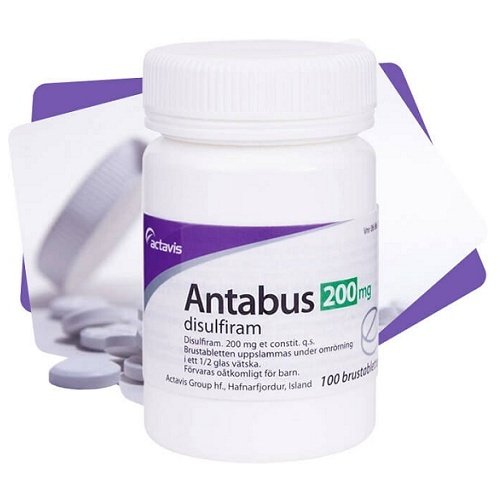
A Patient’s Fork in the Road: Why Some Choose Antabuse—And Why Others Don’t
Imagine a Tuesday morning in a family doctor’s office. Across the desk sits a patient who has tried to quit drinking before, only to find themselves back at the start line. This time, they’re determined, but they’re wary of “just another pill.” Their doctor mentions Antabuse—not as an easy way out, but as a deliberate choice. For many, this is the moment when hope collides with fear of side effects and doubts about willpower.
Antabuse is not the first medication most people try for alcohol dependence in the United States. It has a distinct reputation—sometimes as a last resort, sometimes as an act of commitment. The real question isn’t whether Antabuse “works” in a clinical sense. It’s whether its unique approach matches your personal recovery path.
- If you’re looking for something to erase cravings, Antabuse is not your match.
- If you want a daily reminder to stay sober, with real-world consequences attached to relapse, Antabuse stands apart.
- If your pattern is impulsive drinking, especially in social settings, Antabuse’s deterrent effect can be powerful—but only if you’re ready to use it as intended.
What’s often missed is that Antabuse is a tool—not a guarantee. It won’t do the hard work of recovery for you, but for the right patient, at the right moment, it can tip the scales.
How Antabuse Works—And Why Its Approach Is Different
Disulfiram, the active ingredient in Antabuse, doesn’t linger quietly in the background. Rather than changing how your brain responds to alcohol, it blocks your body’s ability to break down a toxic byproduct of alcohol (acetaldehyde). The result? Even a small drink can cause flushing, pounding heart, nausea, and sometimes severe reactions. The goal isn’t to punish you, but to create a psychological barrier—so drinking becomes both physically and emotionally aversive.
- Disulfiram Reaction
- A rapid and unpleasant physical response that occurs when someone on Antabuse consumes even a small amount of alcohol. Symptoms may include flushing, headache, nausea, vomiting, chest pain, and in rare cases, more severe complications.
Unlike naltrexone (which reduces the pleasure of drinking) or acamprosate (which aims to balance brain chemistry after quitting), Antabuse is all about consequences. This approach means you must commit to abstinence. There’s no “just one drink.” The science behind disulfiram isn’t new—it’s been in use since the 1950s—but its role in modern therapy is still evolving.
The key for patients is this: Antabuse isn’t “taking away” your desire to drink. Instead, it puts a guardrail in place—one that’s only as strong as your intention and the support behind it.
What Using Antabuse Really Feels Like in Daily Life
For most patients, daily life on Antabuse is mundane—until it isn’t. The pill itself is typically taken once a day, often in the morning. There’s no strong taste, no immediate sense of change. What sets Antabuse apart is the ever-present awareness: “If I drink, I’ll pay for it.” It can feel like a safety net, or a source of anxiety, depending on your mindset.
Some patients describe an initial sense of confidence—knowing there’s an extra layer of defense against relapse. Others find the vigilance (reading every label, quizzing wait staff, checking ingredients) exhausting. A few, frustrated by cravings, stop taking Antabuse intentionally just to drink—showing that willpower and support matter more than the prescription.
- There’s no “high” or feeling of well-being with Antabuse—it’s strictly about deterrence.
- You may find social situations less stressful, knowing you have a barrier in place.
- Every day you take your dose is a reaffirmation of your commitment.
- Missed doses can become a slippery slope; many clinicians recommend pairing Antabuse with therapy or a support group.
The daily experience is more psychological than physical. The medication’s power lies in what it prevents, not what it delivers.
Which Side Effects Matter Most with Antabuse—And When to Act
The side effects of Antabuse fall into two categories: those you can anticipate, and those that are rare but serious. Most patients worry most about the infamous disulfiram-alcohol reaction—but in clinical practice, it’s actually the less dramatic, more subtle effects that lead to stopping the medication.
Here’s what you might encounter:
- Mild fatigue or drowsiness, especially in the first weeks
- Metallic or garlic-like aftertaste
- Skin rash or mild allergic symptoms
- Occasionally, headache or gastrointestinal discomfort
The reactions that genuinely require urgent attention are far less common, but cannot be ignored. Liver inflammation, neuropathy (numbness or tingling in hands and feet), and—rarely—psychiatric changes can occur. Any yellowing of the skin or eyes, dark urine, severe abdominal pain, or sudden mood changes should prompt an immediate call to your healthcare provider.
| Side Effect | How Common | When to Contact a Doctor |
|---|---|---|
| Disulfiram-alcohol reaction | Common if alcohol is consumed | If severe symptoms: chest pain, difficulty breathing, confusion, fainting |
| Liver toxicity (hepatitis) | Rare (<1%) | Any yellowing of skin/eyes, persistent nausea, dark urine |
| Neuropathy (tingling, numbness) | Uncommon | Persistent numbness, tingling, or weakness in hands/feet |
| Skin rash/allergic reaction | Uncommon | Severe or widespread rash, swelling, difficulty breathing |
| Metallic/garlic taste | Common (10-25%) | If persistent or troubling, discuss with doctor—rarely requires stopping |
| Drowsiness/fatigue | Common (10-20%) | If severe or interfering with daily life |
For most patients, the side effect profile of Antabuse is manageable, but it demands vigilance—especially in the first months. The disulfiram-alcohol reaction can be dangerous, especially for those with heart or lung disease.
Is Antabuse Your Best Option? A Side-by-Side Look at the Alternatives
| Attribute | Antabuse (Disulfiram) | Naltrexone | Acamprosate |
|---|---|---|---|
| How it works | Blocks breakdown of alcohol, causing unpleasant reaction if you drink | Blocks opioid receptors, reducing pleasure from alcohol | Modulates brain glutamate/GABA balance, reduces post-quit cravings |
| When it’s used | When abstinence is the goal and strong deterrent is needed | For reducing heavy drinking or maintaining abstinence | To support abstinence, especially post-detox |
| Effect on cravings | No impact | Reduces | Reduces withdrawal-related cravings |
| Risk if you relapse | Severe—dangerous reaction | Minimal | Minimal |
| Common side effects | Fatigue, metallic taste, rash, liver risk | Nausea, headache, mood changes | Diarrhea, stomach upset |
| Serious risks | Liver failure, neuropathy, severe reaction with alcohol | Liver risk (rare), opioid overdose if misused | Kidney risk (rare) |
| Prescription required in U.S.? | Yes | Yes | Yes |
| How it’s taken | Once daily pill | Once daily pill or monthly injection | Twice or three times daily pill |
| Who should avoid | Severe heart, liver, or psychiatric disease | Current opioid use, severe liver disease | Severe kidney disease |
| Insurance coverage? | Often, varies by plan | Often, varies by plan | Often, varies by plan |
| Cost (without insurance) | $30–$60/month (generic) | $40–$120/month (pill); $1,000+ per injection | $60–$120/month |
This table highlights what often makes—or breaks—the case for Antabuse. Unlike its competitors, it requires total abstinence: no “slip” is safe. Its deterrent effect is powerful for some, but risky for those likely to relapse unexpectedly. Naltrexone and acamprosate are generally preferred for patients with cravings or who are not ready for total abstinence. Antabuse has a niche: motivated patients, with a strong support system, who want a “no turning back” guardrail.
Starting Antabuse in the United States: Steps, Access, and What to Expect
Beginning Antabuse treatment isn’t as simple as picking up a prescription and starting that day. In the United States, your physician will usually require you to be sober for at least 12 hours before the first dose—sometimes longer, depending on your health status and recent drinking. Why? Starting Antabuse while alcohol is still in your system can trigger an immediate, dangerous reaction.
- Clinical assessment: The doctor will review your medical history, liver function, heart health, psychiatric status, and motivation.
- Informed consent: You’ll be counseled on risks, side effects, and the absolute necessity of avoiding all forms of alcohol—including hidden sources.
- Prescription: Antabuse is only available by prescription in the U.S. Most pharmacies stock generic disulfiram, often at a lower cost than brand-name Antabuse.
- Insurance and cost: Coverage varies widely, but generics are typically affordable even without insurance. Some states and Medicaid plans may cover the medication in full or part.
- First dose: Sometimes administered in the clinic, or with a support person present at home. The goal: make sure you’re alcohol-free and understand what to expect.
Follow-up visits are crucial in the first months. Most prescribers recommend check-ins every one to four weeks, with regular liver function testing. Pharmacy access is straightforward, but ongoing support is what keeps most patients on track.
Safe Use and Dosing: How to Take Antabuse for Maximum Benefit
The dosing of Antabuse is simple on paper, but success depends on more than following instructions. In the United States, most adults start at 500 mg once daily for 1–2 weeks, then reduce to a maintenance dose—often 250 mg daily. Your doctor may individualize the dose based on side effects, age, and response.
| Patient Group | Starting Dose | Maintenance Dose | Comments |
|---|---|---|---|
| Most adults | 500 mg once daily (1–2 weeks) | 250 mg once daily | Adjust based on tolerance |
| Older adults (>65) | 250 mg once daily | 125–250 mg once daily | Start low, go slow |
| Patients with mild liver disease | Lower starting dose or avoid | Individualize; monitor closely | Contraindicated in severe liver disease |
| Children/Adolescents | Rarely used; specialist only | N/A | Not recommended except specialist settings |
Dosing is usually once daily, best taken in the morning. Some patients benefit from supervised dosing—having a family member, partner, or even a pharmacist observe the dose. This isn’t required, but can help if you’re worried about adherence.
- Never double up doses if you miss one. Just resume your usual schedule.
- Alcohol must be avoided for at least 12 hours before starting—and for up to two weeks after stopping Antabuse, due to lingering effects.
- Routine blood work (especially liver tests) is recommended every few months during treatment.
The simplicity of dosing hides its challenge: consistency. Skipping doses “just in case” is the most common cause of relapse.
When Not to Take Antabuse: Medical Reasons to Pause or Walk Away
Unsafe Situations: Never Start Antabuse If You Have—
- Severe liver disease or cirrhosis
- Severe heart disease (especially coronary artery disease or heart failure)
- Known allergy to disulfiram or related compounds
- History of psychosis (current or in remission)
- Pregnancy (risk/benefit decision with your doctor)
Relative Contraindications—Proceed With Caution:
- Mild to moderate liver impairment: requires close monitoring and possibly lower dose
- Cognitive impairment: risk of accidental alcohol ingestion or forgetting dosing rules
- Chronic pulmonary disease: higher risk if severe disulfiram-alcohol reaction occurs
- Active depression or suicide risk: Antabuse may worsen psychiatric symptoms in rare cases
These restrictions are not arbitrary. Severe liver or heart disease can turn a disulfiram-alcohol reaction from unpleasant to life-threatening. Psychiatric history, especially psychosis, dramatically increases the risk of serious adverse effects. In the United States, prescribing guidelines are explicitly cautious: your doctor will screen carefully before writing the first prescription.
Answers to Real-World Questions About Antabuse
- Can I ever drink again after taking Antabuse?
- After stopping Antabuse, you must avoid alcohol for at least 7–14 days, as the medication’s effects linger in your system. Drinking too soon can still cause a reaction. Most clinicians recommend waiting two weeks to be safe. If you resume drinking, you should only do so after a thorough discussion with your doctor about risks and alternatives.
- Will Antabuse help with cravings or withdrawal?
- No—Antabuse does not reduce cravings or withdrawal symptoms. Its primary action is to create a deterrent to drinking. If you struggle with strong urges, medications like naltrexone or acamprosate, plus behavioral support, may be better options.
- What happens if I accidentally consume alcohol in food or medicine?
- Even small amounts of alcohol—found in sauces, desserts, cough syrups, or some mouthwashes—can trigger a reaction. Symptoms range from flushing to severe illness. Keep a list of products to avoid, and always ask your pharmacist about alcohol content in over-the-counter medications.
- Is Antabuse safe to use long-term?
- Many patients use Antabuse for months or even years, but ongoing liver monitoring is essential. The long-term risk of liver inflammation or nerve problems is low but real. Regular follow-ups with your doctor are the best way to minimize complications.
- Does insurance cover Antabuse?
- Most U.S. insurance plans, including many Medicaid plans, cover generic disulfiram. Coverage for brand-name Antabuse varies. Always check with your plan, as prior authorization may be required. Out-of-pocket costs are typically modest for the generic.
- Can I use Antabuse with other medications for alcohol dependence?
- Combining Antabuse with other medications like naltrexone or acamprosate is uncommon and not generally recommended, but in rare cases it’s done under close supervision. Always discuss any combination with a specialist.
- What if I miss a dose?
- Take the next dose as soon as you remember, but never double up. Missing several doses in a row increases your risk of relapse. If you’re struggling with adherence, talk with your doctor about supervised dosing or other support strategies.
- How long before Antabuse is “out of my system”?
- Antabuse’s effects can persist for up to two weeks after your last dose. Avoid alcohol for at least 14 days after stopping to prevent dangerous reactions.
- Are there differences between generic disulfiram and brand-name Antabuse?
- The active ingredient is the same; most patients and clinicians use the generic due to cost and availability. There may be differences in pill size, color, or inactive ingredients, but these rarely affect efficacy.
doctor’s perspective: “What I see most often is that Antabuse works best for patients who are genuinely committed to abstinence and have a good support system. It’s not a magic bullet. People who expect the medication to ‘do the work’ end up disappointed. But for the right person, at the right time, it can be a game-changer—especially when drinking feels like an impulse rather than a craving.”
Sources & References
- U.S. Food and Drug Administration (FDA)
- Substance Abuse and Mental Health Services Administration (SAMHSA) – Treatment Guidelines, 2023
- Mayo Clinic – Disulfiram (Oral Route)
- PubMed – Disulfiram in Alcohol Dependence
- National Institute on Alcohol Abuse and Alcoholism (NIAAA)
- American Society of Addiction Medicine (ASAM) – National Practice Guideline Update, 2020
- RxList – Antabuse (disulfiram) Prescribing Information
- Disulfiram. Micromedex Drug Reference, 2023