- Home/
- Buy Seroquel Online in the United States – Fast Shipping Available
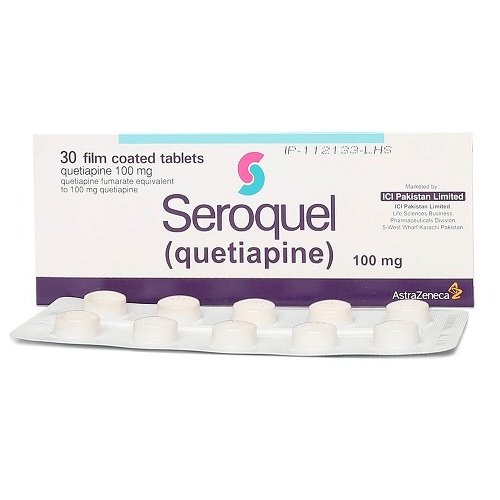
Seroquel, known generically as quetiapine, is a prescription medication widely used in the United States to manage certain Mental Health conditions—including schizophrenia, bipolar disorder, and sometimes major depression. More than its name or category, the most important thing to know before starting Seroquel is this: its benefits and risks look very different depending on who you are and why it’s being prescribed. For some, it’s life-changing; for others, it can bring unexpected side effects or challenges. This article is for anyone trying to understand where they might fit on that spectrum.
Living with Uncertainty: Seroquel in Real Life
Picture this: a quiet office, a doctor gently sliding a new prescription across the desk. “We’re going to try Seroquel,” they say, their voice steady but not overly confident. Maybe you’ve heard stories—some reassuring, some not. Maybe you’ve already felt let down by other medications, or maybe this is your first real step into treatment for bipolar disorder, schizophrenia, or severe depression. The ground is shaky. That’s not your imagination—it’s the reality of starting Seroquel for most patients in the United States.
For many, Seroquel is not the first medication they’ve tried, but the one they end up considering because other options have not worked or have caused intolerable side effects. Others reach this moment because Seroquel offers something unique: a different balance of sedation, mood control, and side effect risks than its competitors. The uncertainty is not just about “Will this work?” but “Will this work for me, and will I still feel like myself?”
STAT HIGHLIGHT:
Over 10 million prescriptions for quetiapine are written annually in the United States (FDA), yet patient experiences range from transformative to deeply frustrating. The difference comes down to diagnosis, dose, and individual brain chemistry more than any marketing or guideline can predict.
People don’t talk enough about the “gray zone” of Seroquel—the nights of grogginess that fade for some, but linger for others; the sense of emotional distance that can be protective or, sometimes, deeply unwanted. If you’re reading this, you’re not alone in wondering: where will you land?
Why Doctors Choose Seroquel—And When They Don’t
Some medications earn their place in clinical practice by being the best at what they do. Seroquel’s story is more complicated. In the United States, it is approved for schizophrenia, bipolar disorder (mania and depression), and, in certain cases, as an adjunct for major depressive disorder.
Doctors reach for Seroquel when a patient needs mood stabilization with less risk of motor side effects than older antipsychotics, or when sleep disruption is so severe that a sedating effect may be an asset, not a liability. But it’s not the default. Seroquel is rarely a first-line choice unless other paths have already been tried—or there are specific reasons to think its profile might fit.
- It’s used for acute mania when agitation must be calmed quickly—without the movement disorder risks seen with some alternatives.
- In bipolar depression, it’s one of the few antipsychotics with FDA approval for this indication.
- For schizophrenia, it is often reserved for patients who do not tolerate or respond to other antipsychotics, or who have significant sleep or anxiety issues alongside psychosis.
Seroquel is not a one-size-fits-all solution. Its use for insomnia or anxiety alone is not FDA-approved and, despite being common in practice, carries clinical and ethical debates. Physicians must balance regulatory guidance, real-life patient needs, and evolving evidence in every prescription.
CLINICAL TIP:
Ask your psychiatrist why Seroquel is being recommended for you specifically—not just what it treats in general.
The Daily Impact of Seroquel: What Patients Notice First
Most people don’t come to Seroquel hoping to feel “different” overnight, but the reality is that night is where the journey often begins. Within hours of the first dose, sedation is the rule, not the exception. For some, it’s a relief. For others, it’s disruptive—grogginess that lingers through the next morning, trouble waking, a heaviness that creeps into the day.
Over the first week, side effects like dry mouth, constipation, and appetite increase show up for many. A small subset feels emotionally blunted or distant. The benefits—reduced agitation, fewer mood swings, improved sleep—can follow soon after, but they’re not guaranteed and rarely appear all at once. Sometimes, it’s subtle: you notice what’s missing more than what’s new.
- Initial Sedation: Most pronounced at night, can persist into the next day especially with higher starting doses.
- Appetite Changes: Some people notice a dramatic increase in hunger within days.
- Emotional Flattening: Described by some as “numbness” or “not caring as much.”
IMPORTANT NOTE:
For many, these effects lessen with time as the body adjusts. But if they do not, or become intolerable, do not wait out of stoicism—talk to your prescriber promptly.
Seroquel in Context: How It Stacks Up in Mental Health
| Attribute | Seroquel (Quetiapine) | Risperdal (Risperidone) | Abilify (Aripiprazole) |
|---|---|---|---|
| FDA-Approved Uses | Schizophrenia, Bipolar I & II (mania & depression), Adjunct for MDD | Schizophrenia, Bipolar I (mania), Irritability in Autism | Schizophrenia, Bipolar I (mania), Adjunct for MDD, Autism Irritability |
| Mechanism of Action | Dopamine & serotonin antagonist, strong antihistamine effect | Dopamine & serotonin antagonist, less antihistamine | Dopamine partial agonist; unique “stabilizing” profile |
| Sedation | High (dose-dependent; prominent at low doses) | Low to moderate | Low |
| Weight Gain Risk | Moderate to high | Moderate | Low |
| Extrapyramidal Symptoms (tremor, stiffness) | Low | Moderate | Low |
| Monitoring (labs, EKG) | Metabolic labs, lipids, glucose | Prolactin, metabolic labs | Metabolic labs |
| Cost (typical generic) | $4–20/month (generic, with coupon) | $4–20/month (generic) | $10–50/month (generic) |
| Insurance Coverage | Widely covered generic | Widely covered generic | Widely covered generic |
| Unique Clinical Advantage | Only antipsychotic FDA-approved for bipolar depression; sedating profile can be beneficial for sleep/anxiety | Well-established; available long-acting injectable | Activation/energy for some patients; less metabolic risk |
Compared to its peers, Seroquel distinguishes itself by being both sedating and effective for bipolar depression—an area where many antipsychotics fall short. That same sedation, though, is a double-edged sword: invaluable for some, a burden for others. Its metabolic side effects (weight gain, blood sugar changes) are not the worst in class, but they are real and must be managed. Cost and insurance coverage are rarely barriers in the United States, thanks to broad generic availability. But the real decision is not about access—it’s about fit. Seroquel’s pros and cons look different depending on your diagnosis, your history with other medications, and your tolerance for side effects.
Seroquel Dosing: The Art, Not the Math
Prescribing Seroquel isn’t about plugging numbers into a formula. Dosing varies dramatically—from as low as 25 mg for sleep (off-label and not recommended by guidelines) to above 400 mg for schizophrenia. Your diagnosis, age, and the way your body processes medication all shape the starting dose and how it increases over time. In the United States, titration is usually slow—rushed increases are more likely to trigger side effects that could end treatment before it starts paying off.
There are two formulations: immediate-release (IR) and extended-release (XR). The XR version is often preferred for once-daily dosing but may not be right for everyone, especially those with sensitive stomachs or a need for flexibility.
| Indication | Starting Dose (Adults) | Typical Target Dose | Maximum Dose | Notes |
|---|---|---|---|---|
| Schizophrenia | 50 mg twice daily (IR) or 300 mg nightly (XR) | 400–800 mg/day | 800 mg/day | Titrate over 4–7 days |
| Bipolar Mania | 100 mg at bedtime, increase by 100 mg/day | 400–800 mg/day | 800 mg/day | Can split doses; monitor sedation |
| Bipolar Depression | 50 mg at bedtime, increase to 300 mg/day by day 4 | 300 mg/day | 300 mg/day | Dosing above 300 mg/day not proven more effective |
| Adjunct for Major Depression | 50 mg nightly | 150–300 mg nightly | 300 mg/day | Start low, titrate as tolerated |
| Geriatric Patients | 25 mg nightly | Individualized; often lower than adult range | Not established | Increased sensitivity to side effects |
Seroquel dosing is deeply individualized. Patients with liver impairment may need lower doses. There is no adjustment required for kidney disease. Never change your dose or schedule without guidance—a misstep here can trigger side effects or loss of efficacy.
CLINICAL TIP:
Always ask your doctor about their titration plan—how fast, how high, and how they will know if it’s working for you.
How Seroquel Actually Works in Your Brain
Forget the diagrams in drug ads. Seroquel’s impact is not just about blocking dopamine or serotonin. At low doses, its strong antihistamine effect dominates—hence the sedation. At higher doses, it blocks dopamine and serotonin receptors with enough force to mute psychosis or stabilize mood swings. Quetiapine’s “dose-dependent pharmacology” is why it can feel like a different drug at 50 mg compared to 500 mg.
- Dopamine Antagonism
- Reduces psychosis and agitation. Less likely to cause muscle stiffness or tremor compared to older antipsychotics.
- Serotonin Antagonism
- Modulates mood and anxiety; may help with depression especially in bipolar disorder.
- Antihistamine Effect
- Causes sedation and, for many, excessive appetite. Most pronounced at low doses.
- Anticholinergic Properties
- Can cause dry mouth, constipation, and occasionally confusion—especially in older adults.
What this means for you: a low dose of Seroquel may help you sleep, but might not touch psychosis or severe mood swings. Conversely, higher doses may treat those symptoms but increase metabolic side effects. This is why dose, not just diagnosis, shapes the experience—and why ongoing dialogue with your prescriber is essential.
Which Side Effects Matter Most with Seroquel—and When to Act
Sedation, weight gain, and metabolic changes headline every Seroquel side effect list, but the real concern is how they show up and what to do about them. Daytime sleepiness can undermine work and relationships. Weight gain isn’t just cosmetic—it increases risk for diabetes and heart disease, especially if you already have risk factors. Less common but urgent: involuntary muscle movements, severe constipation, and sudden confusion.
Most side effects appear early—within days to weeks. If you’re still struggling after a month, don’t “just live with it.” Your doctor may be able to adjust the dose, change the timing, or switch you to a different medication entirely. If you develop fever, muscle stiffness, confusion, or uncontrolled movements, seek medical attention immediately. These are not “wait and see” problems.
- Sedation: Common at all doses, especially at the start. May improve over time; tell your doctor if it persists.
- Weight Gain & Appetite: Can be rapid and significant. Dietary counseling and regular monitoring are essential.
- Blood Sugar & Lipid Changes: Not always felt physically. Routine labs (glucose, cholesterol) are part of safe use.
- Movement Disorders: Involuntary movements are rare but serious. Report any tremors or muscle stiffness.
- Severe Constipation: More than three days without a bowel movement, especially with abdominal pain, requires prompt attention.
CLINICAL TIP:
Track your weight weekly for the first three months. Keep a side effect journal—patterns are easier to spot when written down.
The Seroquel Safety Summary Table
| Side Effect | Frequency | When to Contact Your Doctor |
|---|---|---|
| Sedation | Very common (>50%) | If daytime functioning is impaired or worsens after the first 2 weeks |
| Weight Gain | Common (10–23%) | If rapid (>5 lbs in a month) or causing distress |
| Increased Blood Sugar/Diabetes | Common (up to 10%) | If you develop increased thirst, frequent urination, or unexplained fatigue |
| Tremor/Stiffness | Uncommon (<5%) | Any new or worsening movement symptoms |
| Severe Constipation | Uncommon (<5%) | No bowel movement for >3 days or any abdominal pain |
| Sudden Confusion | Rare (<1%) | Any onset of confusion, disorientation, or hallucinations |
| Neuroleptic Malignant Syndrome (NMS) | Very rare (<0.1%) | Fever, muscle rigidity, confusion—seek medical attention immediately |
This table is not exhaustive—but it captures the side effects that matter most for Seroquel. The frequency numbers come from clinical trial and post-marketing data reviewed by the FDA. Individual experience varies: if something feels off, it is always safer to check than to assume it is “normal.”
When Seroquel Is Not for You: Absolute and Relative Contraindications
- Known allergy or previous severe reaction to quetiapine or any ingredient in Seroquel
- History of neuroleptic malignant syndrome with any antipsychotic
- Concurrent use of strong CYP3A4 inhibitors (certain antifungals, antivirals, antibiotics) without dose adjustment
- Uncontrolled diabetes or high cholesterol
- History of heart rhythm abnormalities (QT prolongation on EKG)
- Severe liver impairment
- Older adults with dementia-related psychosis (increased risk of stroke and death)
- Pregnancy or breastfeeding (use only if benefits clearly outweigh risks)
Accessing Seroquel in the United States: Cost, Prescription, and Insurance Reality
No one likes to talk about money and logistics, but for many patients in the United States, these are the roadblocks that matter most. Seroquel is available only by prescription—this isn’t a medication you can buy “over the counter” or online without a legitimate doctor’s order. The FDA (Food and Drug Administration) regulates all versions, brand and generic (FDA).
Generic quetiapine is widely available at most retail pharmacies, often for $4–$20 per month with common discount programs. Insurance plans almost always cover the generic, though coverage for the XR (extended-release) version may vary. Medicaid and Medicare typically reimburse the cost for approved indications. Prior authorization may be needed if your diagnosis is not standard or if you are using Seroquel for an “off-label” reason.
- Prescription requirement: Only a licensed healthcare provider can prescribe Seroquel. Telehealth is permitted in most states.
- Pharmacy access: All major chains and independent pharmacies in the U.S. carry generic quetiapine.
- Online pharmacies: Must be U.S.-licensed. Beware of non-U.S. sources—counterfeiting is a real risk.
- Cost variability: Out-of-pocket price can vary, but patient assistance programs exist for those without insurance.
ACCESS TIP:
Ask your doctor to specify “generic substitution permitted” unless there’s a clinical reason for brand-name Seroquel. This saves money and reduces delays at the pharmacy.
Seroquel FAQ in the United States: Real Questions, Real Answers
- 1. Is Seroquel safe for long-term use?
- For many, Seroquel can be used for years with careful monitoring of weight, blood sugar, and cholesterol. Long-term risks include metabolic changes and rare movement disorders. Your doctor should review the ongoing need for Seroquel at least once a year.
- 2. Can Seroquel be used just for sleep or anxiety?
- While some doctors prescribe low-dose Seroquel off-label for sleep or anxiety, this is not FDA-approved and carries risk of side effects, including metabolic changes, even at low doses. Safer, more established treatments should be considered first.
- 3. What should I do if I miss a dose?
- If you miss a dose, take it as soon as you remember unless it’s close to your next scheduled dose. Do not double up. If you’re unsure, contact your pharmacist or doctor for advice.
- 4. Will Seroquel make me gain weight?
- Weight gain is a common side effect, particularly in the first few months. Regular exercise, mindful eating, and routine monitoring can help reduce this risk. Discuss strategies with your healthcare provider early on.
- 5. How long does it take for Seroquel to start working?
- Some effects, such as sedation or improved sleep, can appear within days. Mood stabilization and antipsychotic effects may take several weeks. Don’t judge the medication’s success too quickly—give it time unless side effects are intolerable.
- 6. Is Seroquel addictive or habit-forming?
- No, Seroquel is not considered addictive. However, stopping suddenly can cause withdrawal-like symptoms such as insomnia, irritability, and nausea. Taper only under medical supervision.
- 7. What should I do if I develop new or worsening muscle stiffness, fever, or confusion?
- These could signal a rare but serious reaction, including neuroleptic malignant syndrome. Seek medical attention immediately—do not wait to see if these symptoms resolve on their own.
- 8. Can I drink alcohol while on Seroquel?
- Alcohol can worsen Seroquel’s sedative effects and increase risk of accidents or overdose. It’s safest to avoid alcohol entirely while taking this medication.
References
- U.S. Food and Drug Administration (FDA)
- Mayo Clinic: Quetiapine (oral route)
- American Psychiatric Association Practice Guideline for the Treatment of Patients With Schizophrenia, 2020
- Prescribing Information: Seroquel (Quetiapine Fumarate) Tablets, AstraZeneca Pharmaceuticals, 2018
- National Institute of Mental Health (NIMH)
- Substance Abuse and Mental Health Services Administration (SAMHSA)
- ClinicalTrials.gov
- National Alliance on Mental Illness (NAMI): Mental Health Medications