- Home/
- Buy Ventolin Inhaler in Online Pharmacy in United States
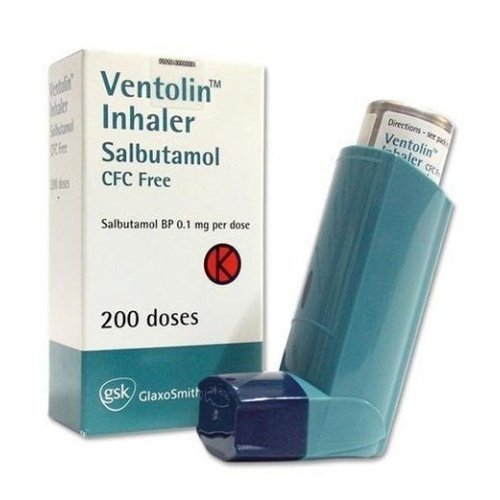
Is Ventolin Inhaler available without a prescription in the United States?
Ventolin Inhaler is a prescription-only medication in the United States. You cannot obtain it legally without a valid prescription from a licensed healthcare provider. This applies to both in-person and online pharmacies.
Key Takeaways: What You Need to Know About Ventolin Inhaler
- Ventolin Inhaler (salbutamol/albuterol) is most suitable for patients diagnosed with asthma or certain types of reversible airway obstruction, as determined by a physician.
- Relief of symptoms (e.g., wheezing, shortness of breath) typically begins within minutes after inhalation.
- A prescription is required for Ventolin Inhaler in the United States; over-the-counter purchase is not permitted.
- The most important safety concern is the risk of misuse or overuse, which can lead to serious heart and metabolic side effects.
- If symptoms do not improve or worsen after use, immediate medical attention is necessary.
- Ventolin Inhaler addresses acute symptoms, but does not treat the underlying causes of asthma or prevent future attacks alone.
Contents
- How does Ventolin Inhaler work?
- Expert Observations: Real-World Expectations and Patient Experience
- How to Use Ventolin Inhaler: Dosage and Administration
- Does Food or Alcohol Affect Ventolin Inhaler?
- Who Should Not Use Ventolin Inhaler? Absolute and Relative Contraindications
- What Side Effects Are Most Common With Ventolin Inhaler?
- Common Patient Mistakes With Ventolin Inhaler — and How to Avoid Them
- Ventolin Inhaler vs Alternatives: Comparison Analysis
- Ventolin Inhaler: Product Reference Table
- Compatibility Check: Ventolin Inhaler and Other Products
- Step-by-Step: Obtaining Ventolin Inhaler in the United States
- How Is Ventolin Inhaler Processed in the Body? (Pharmacokinetics Explained)
- Special Considerations for Specific Patient Groups
- Original vs Generic Ventolin Inhaler: What Is the Difference?
- How to Identify Legitimate Pharmacies and Avoid Counterfeits
- Identifying Authentic Ventolin Inhaler and Distinguishing Generics
- What if Ventolin Inhaler Does Not Work?
- What to Do in Case of an Overdose
- Psychological Support for Asthma Patients
- Doctor’s Clinical Questions and Answers
- Clinical Assessment by Doctor
- FAQ about Ventolin Inhaler in the United States
- References
How does Ventolin Inhaler work? The Science Behind Rapid Symptom Relief
Ventolin Inhaler contains the active ingredient salbutamol (also known as albuterol in the United States), a short-acting beta2-adrenergic receptor agonist. It acts primarily on beta2-adrenoceptors located in the smooth muscles lining the airways. When you inhale salbutamol, it binds to these receptors and activates the enzyme adenylate cyclase, increasing cyclic AMP (cAMP) within bronchial smooth muscle cells. This cascade leads to relaxation of airway muscles, resulting in bronchodilation—the airways widen, making it easier to breathe.
In clinical terms, Ventolin Inhaler acts as a rapid “airway opener,” designed to relieve acute bronchospasm—such as wheezing, breathlessness, or chest tightness—within minutes. Unlike inhaled corticosteroids or other control therapies, salbutamol does not address airway inflammation or the underlying cause of asthma, but rather provides symptomatic relief.
Visualization: Imagine your airways as tubes squeezed by tight muscles. Ventolin Inhaler works like a gentle muscle relaxant that opens these tubes quickly, so air can flow more easily in and out.
Salbutamol does not require food, specific conditions, or external triggers to be effective—it acts independently when administered via inhalation. The therapeutic effect is typically felt within 4–8 minutes, with maximum improvement often seen at 30 minutes. The effect usually lasts 4–6 hours but may vary depending on the individual.
References: See FDA-approved prescribing information and recent clinical trials for detailed pharmacology (FDA, PubMed).
Patients Often Expect “Cure” Instead of Symptom Control: A Physician’s Insight
In my years treating people with asthma, I frequently encounter the misconception that using Ventolin Inhaler will “fix” their breathing issues for good. Many patients believe that if their symptoms improve quickly, the underlying disease is also getting better. In reality, Ventolin is a rescue medication—it relieves symptoms but does not reduce airway inflammation or alter the natural course of asthma. I also notice that patients rarely ask how often it’s safe to use their inhaler, or what worsening symptoms could mean about their asthma control. Sometimes, when patients reach for their inhaler more than twice a week, they don’t realize this signals a need for reevaluation of their treatment plan. It’s essential for anyone using Ventolin to understand that increased reliance on a rescue inhaler is not just a nuisance—it can be a warning sign that their asthma is not well controlled and that a controller medication may be needed.
How to Use Ventolin Inhaler: Dosage and Administration in the United States
The standard dosage for adults and children aged 4 years and older is usually 1–2 inhalations (90–180 mcg) as needed for acute symptoms. The maximum recommended dose is typically 8 inhalations in 24 hours. Exceeding this can increase the risk of serious side effects such as heart rhythm disturbances or low potassium levels.
- Onset of action: Relief begins within 4–8 minutes.
- Peak effect: Typically at 30 minutes.
- Duration: 4–6 hours for most users.
For exercise-induced asthma, Ventolin Inhaler may be used 15–30 minutes prior to activity to prevent symptoms. Always follow your healthcare provider’s instructions for timing and dose.
Special populations: Elderly patients or those with impaired liver/kidney function should use the lowest effective dose and be closely monitored for side effects.
Note: The inhaler device must be prepared correctly. Shake well before each use; prime the device if not used for more than 2 weeks or after cleaning. The canister should not be removed from its actuator except for cleaning as specified by the manufacturer.
Does Food, Alcohol, or Other Substances Affect Ventolin Inhaler?
Food: There is no clinically significant interaction between food intake and the effect of inhaled salbutamol. You do not need to adjust meals before or after inhalation, and absorption is not affected by fatty foods.
Alcohol: Moderate alcohol consumption does not typically interact directly with Ventolin Inhaler. However, excessive alcohol can worsen asthma control, increase risk of dehydration, and may mask warning symptoms of overdose, such as tremors or palpitations. It’s prudent to limit intake while using any asthma medication.
Grapefruit juice: Unlike some medications, grapefruit juice does not significantly affect the metabolism of inhaled salbutamol.
Other medications: Certain drugs can interact with Ventolin Inhaler, such as beta-blockers (which may reduce effectiveness), diuretics, tricyclic antidepressants, and monoamine oxidase inhibitors (which may increase risk of side effects). Always disclose your medication list to your provider.
Who Should Not Use Ventolin Inhaler? Absolute and Relative Contraindications
- Absolute Contraindications:
-
- Allergy to salbutamol, albuterol, or any component of the inhaler device.
- Severe hypersensitivity reactions to similar beta-agonists.
- Relative Contraindications (Use With Caution):
-
- Cardiovascular disease: History of arrhythmias, recent heart attack (within 6 weeks), or significant heart failure. Salbutamol can exacerbate these conditions by increasing heart rate and cardiac workload.
- Uncontrolled hyperthyroidism: May increase the risk of heart rhythm complications.
- Severe hypertension: Can worsen blood pressure control.
- Diabetes mellitus: May increase blood glucose; monitor closely.
- Seizure disorders: There is a theoretical risk of increased CNS stimulation.
Drug interactions: Do not take with non-selective beta-blockers (e.g., propranolol); this can block the therapeutic effect and increase risk of asthma exacerbation.
After a heart attack: Use only after consultation and under close monitoring by a cardiologist or pulmonologist.
What Side Effects Are Most Common With Ventolin Inhaler?
Side effects are classified according to frequency and potential seriousness:
- Very common (>1 in 10 users):
-
- Tremor (shakiness of hands)
- Headache
- Common (>1 in 100 users):
-
- Palpitations (rapid heartbeat)
- Muscle cramps
- Mild throat irritation or cough after inhalation
- Rare (<1 in 1,000 users):
-
- Paradoxical bronchospasm (worsening of shortness of breath)
- Low potassium levels (hypokalemia), leading to muscle weakness or abnormal heart rhythms
- Sleep disturbances (insomnia)
- Very rare (<1 in 10,000 users):
-
- Serious allergic reactions (angioedema, anaphylaxis)
- Chest pain
Mechanisms: Most side effects (tremor, palpitations) are due to stimulation of beta receptors in muscles, heart, or the central nervous system leading to increased cellular activity.
What to do if side effects occur:
- Mild effects (e.g., tremor, headache): Usually resolve as your body adjusts, but discuss with your provider if persistent.
- Serious or worsening symptoms (e.g., chest pain, severe breathlessness): Stop using the inhaler and seek immediate medical attention.
- Signs of allergic reaction: Swelling of lips, tongue, or face; rash; difficulty breathing—call 911 or emergency services right away.
Six Common Mistakes Patients Make With Ventolin Inhaler—And How to Avoid Them
- Not shaking the inhaler before use: This can lead to inconsistent dosing. Solution: Shake the inhaler briskly before every puff.
- Incorrect inhalation technique: Failure to coordinate actuating the device and inhaling deeply may result in little or no medicine reaching the lungs. Solution: Exhale fully, seal lips around the mouthpiece, press down on the canister while inhaling slowly and deeply, and hold your breath for 10 seconds.
- Using the inhaler too frequently: Overuse increases risk of side effects and masks poorly controlled asthma. Solution: Track your usage. If you use it more than twice a week (excluding exercise-induced use), consult your doctor.
- Not priming the inhaler after a period of non-use: This can result in under-dosing. Solution: Follow manufacturer instructions for priming if not used for more than 2 weeks.
- Not cleaning the mouthpiece regularly: This may cause medication build-up or blockage. Solution: Clean the mouthpiece at least once a week as per the instructions.
- Stopping other asthma medications abruptly: Some patients stop their controller medications once symptoms improve, relying only on Ventolin. Solution: Ventolin is for rescue, not control. Never stop or change other prescribed medications without medical advice.
Ventolin Inhaler vs. Alternatives: How Does It Compare?
Several short-acting beta2-agonists (SABAs) are available in the United States. Here’s how Ventolin Inhaler compares to its closest alternatives:
| Product | Active Ingredient | Onset | Duration | Typical Price (USD) | Key Differences |
|---|---|---|---|---|---|
| Ventolin HFA | Albuterol sulfate | 4–8 min | 4–6 h | $30–$70 per inhaler† | Widely prescribed, available in brand and generic forms |
| ProAir HFA | Albuterol sulfate | 3–7 min | 4–6 h | $30–$65 per inhaler† | Similar efficacy; different device; widely covered by insurance |
| Xopenex HFA | Levalbuterol | 4–7 min | 4–6 h | $40–$90 per inhaler† | May cause less tachycardia in some patients |
| Generic Albuterol | Albuterol sulfate | 4–8 min | 4–6 h | $15–$50 per inhaler† | Most affordable; available at chain pharmacies |
†Prices reflect typical 2026 cash price ranges in the United States; insurance coverage can significantly lower out-of-pocket costs. Always confirm current pricing and coverage with your pharmacy.
- Summary: All products provide rapid relief of bronchospasm. Generics are typically more affordable and contain the same active ingredient. Xopenex (levalbuterol) may be preferred for individuals experiencing significant side effects with albuterol, though it is usually more expensive.
Ventolin Inhaler: Product Reference Table
| Parameter | Value |
|---|---|
| Active ingredient | Albuterol sulfate (salbutamol) |
| Strength per actuation | 90 mcg |
| Usual adult dose | 1–2 puffs as needed (max 8/day) |
| Onset of action | 4–8 minutes |
| Peak effect | ~30 minutes |
| Duration | 4–6 hours |
| Formulation | Metered Dose Inhaler (MDI) |
| Storage | Room temperature, keep away from heat and sunlight |
| Device priming | Prime if not used in >2 weeks |
Compatibility Check: Ventolin Inhaler With Other Medications/Products
| Product Type | Can It Be Combined? | Consequences / Comments |
|---|---|---|
| Inhaled corticosteroids (e.g., fluticasone) | Yes | Often prescribed together; no significant interaction. |
| Non-selective beta-blockers (e.g., propranolol) | NO | May block effect; risk of severe asthma attack. |
| Selective beta-blockers (e.g., atenolol) | With caution | Possible interaction; monitor breathing closely. |
| Monoamine oxidase inhibitors (MAOIs) | With caution | May increase risk of cardiovascular side effects. |
| Thiazide diuretics | Yes | Monitor for low potassium. |
| Alcohol | Yes (moderate) | No direct interaction, but excessive use can worsen asthma control. |
Step-by-Step: How to Obtain Ventolin Inhaler in the United States (2026)
-
Step 1: Schedule a Consultation
Book an appointment with a licensed healthcare provider (primary care, pulmonologist, or allergist) in your area (e.g., New York, Los Angeles, Houston) or via a legitimate telemedicine platform. -
Step 2: Medical Assessment
Your provider will review your symptoms, medical history, current medications, and may perform spirometry or other lung function tests. -
Step 3: Receive a Prescription
If Ventolin Inhaler is appropriate, your provider will issue an electronic or printed prescription, typically valid at any U.S.-licensed pharmacy. -
Step 4: Fill the Prescription at a Licensed Pharmacy
Present your prescription at a brick-and-mortar pharmacy or select a verified online pharmacy. Insurance, Medicaid, or Medicare may cover part or all of the cost. -
Step 5: Education and Inhaler Training
Pharmacists often provide counseling on correct inhaler technique. Ask questions if any instructions are unclear. -
Step 6: Ongoing Monitoring
Schedule regular follow-up visits to reassess asthma control and ensure continued safe and effective use.
How Is Ventolin Inhaler Processed in the Body? (Pharmacokinetics Explained)
After inhalation, a portion of albuterol enters the lungs directly, while some is swallowed and absorbed through the gastrointestinal tract. The drug undergoes minimal metabolism in the liver by the enzyme SULT1A3, producing inactive metabolites. Albuterol and its metabolites are primarily excreted by the kidneys. The elimination half-life (T1/2) averages about 4–6 hours.
- Onset: 4–8 minutes (lungs)
- Peak plasma concentration: 2–3 hours
- Elimination: 80–100% through urine (renal excretion)
Implications: In patients with significant kidney impairment, accumulation is unlikely due to the short half-life, but monitoring is still recommended.
Special Considerations for Specific Patient Groups
- Children: Approved for ages 4 and up. Use with parental supervision and ensure proper technique.
- Elderly: May be more sensitive to side effects such as tachycardia or tremor; use the lowest effective dose.
- Pregnancy: Use only if clearly needed and after risk-benefit assessment by your doctor. Albuterol is generally considered low-risk in pregnancy, but inhaled corticosteroids are preferred for long-term control.
- Breastfeeding: Albuterol is excreted in breast milk in small amounts; adverse effects are unlikely but possible. Discuss risks with your provider.
- Renal or hepatic impairment: No dose adjustment is necessary for mild impairment, but close monitoring is advised.
- Driving and machinery: Ventolin is unlikely to affect alertness; however, rare side effects (tremor, palpitations) may transiently impair the ability to drive or operate machinery. Caution is advised if experiencing these symptoms.
- Fertility: No evidence of significant impact on fertility in humans.
Original vs Generic Ventolin Inhaler: What Is the Difference?
Ventolin HFA is the original brand containing albuterol sulfate, produced by GSK. As of 2026, multiple FDA-approved generic versions are available in the United States (e.g., by Cipla, Teva, Prasco). Generics must contain the same active ingredient, amount, and provide equivalent delivery per actuation.
Excipients (inactive ingredients): Generics may differ in propellants, stabilizers, or inhaler device design. Allergic reactions to these excipients are rare, but if you experience new symptoms after switching brands, consult your provider.
Price: Generics are typically more affordable ($15–$50 per inhaler) and may be preferred for cost reasons.
Advantages of generics:
- Same clinical efficacy and safety profile as branded Ventolin (per FDA bioequivalence standards).
- Lower out-of-pocket costs, especially for uninsured patients.
- Differences in inhaler devices may affect ease of use for some patients.
How to Identify Legitimate Pharmacies and Avoid Unsafe Sellers in the United States
The safest way to obtain Ventolin Inhaler is through a licensed U.S. pharmacy—either in-store or online. Always look for these features:
- Verification: The pharmacy should be listed with the National Association of Boards of Pharmacy (NABP) and display the VIPPS (Verified Internet Pharmacy Practice Sites) seal for online sellers.
- Prescription required: Legitimate pharmacies always request a valid U.S. prescription.
- Contact information: The pharmacy should provide a U.S. address and phone number, not just an email or overseas contact.
- No “miracle claims”: Avoid websites advertising Ventolin as a “cure” or offering prescription drugs without a prescription.
Warning signs of unsafe sellers:
- No prescription required.
- Prices dramatically lower than typical U.S. pharmacies.
- Shipping only from overseas or no clear business address.
- Poor spelling, grammar, or website design.
Risks of unregulated online pharmacies: Counterfeit or substandard products, lack of FDA oversight, risk of customs seizure, and no recourse for adverse effects.
Consumer protection: Report suspected counterfeit or unsafe products to the FDA’s MedWatch program.
How to Identify Authentic Ventolin Inhaler and Distinguish Generics From Counterfeits
Original Ventolin Inhaler packaging in the United States features:
- Distinctive blue-and-white color scheme (for Ventolin HFA)
- Clear labeling with the brand name, dosage, and lot number
- Manufacturer information (GSK or FDA-approved generic manufacturer)
- FDA NDC (National Drug Code) number
- Patient information leaflet in English
- Hologram or QR code (on some newer packages) for anti-counterfeit verification
Counterfeits may:
- Have misspelled words or blurry printing
- Lack a proper lot number or NDC code
- Feature outdated logos or unexplained design differences
- Arrive in plain packaging or without an information leaflet
- Be offered at an unusually low price (often the first warning sign)
Generics: Will always state the manufacturer, FDA approval status, and provide a full ingredient list. Although inhaler designs may differ, label information and regulatory markings should match those required by the FDA.
What Should You Do if Ventolin Inhaler Does Not Relieve Symptoms?
- Immediate steps: If you are not experiencing relief within 15–20 minutes of use, or if symptoms worsen (especially chest tightness, wheezing, or shortness of breath), seek emergency medical attention or call 911.
- For ongoing issues: Frequent need for the inhaler (more than twice a week) may signal poorly controlled asthma. Contact your healthcare provider to review your treatment plan.
- Do not: Increase the number of puffs or frequency beyond prescribed limits, as this increases the risk of dangerous side effects.
What To Do in Case of Ventolin Inhaler Overdose (Step-by-Step)
- Stop using the inhaler immediately.
- Call 911 or local emergency services without delay.
- Inform the responder or healthcare provider of how many puffs you took and the time of use.
- If possible, bring the inhaler packaging to the hospital for identification.
Symptoms of overdose: Severe tremor, chest pain, rapid or irregular heartbeat, muscle weakness, or confusion.
Important: Overdose can be life-threatening due to risk of severe hypokalemia (low potassium) and cardiac arrhythmias.
Psychological Support for Asthma Patients
Asthma is a common and manageable condition, but it can be stressful. Many people feel anxious or frustrated when symptoms flare up. Remember, you are not alone—millions of Americans live with asthma. If you feel overwhelmed, talk to your healthcare provider or consider joining a patient support group. Discussing your experience with family, friends, or a counselor can also help improve coping and quality of life.
Common Questions Answered by a Doctor: Clinical Nuances of Ventolin Inhaler
- How soon should I feel relief after using Ventolin Inhaler?
- Most patients begin to feel improvement within 5–10 minutes. If you do not feel any relief within 15–20 minutes, contact your doctor or seek emergency care.
- How will I know if I am using my inhaler correctly?
- If you experience consistent relief of symptoms and rarely cough after use, you are likely using the device correctly. However, a demonstration and assessment by your provider or pharmacist is always recommended at your next visit.
- Can I use Ventolin Inhaler before exercise even if I don’t have symptoms?
- Yes, if prescribed by your doctor. Many patients with exercise-induced asthma use 1–2 puffs 15–30 minutes prior to activity for prevention.
- Should I use Ventolin Inhaler every day?
- No. Daily use may indicate unaddressed asthma control issues. Your doctor may recommend adding or adjusting controller medications if you need Ventolin regularly.
- What should I do if I forget to prime my inhaler?
- If you have not used your inhaler for over 2 weeks, prime it by releasing 4 test sprays into the air away from your face. Always check the patient leaflet for device-specific instructions.
- How often should I replace my inhaler?
- Most inhalers contain 200 actuations. Track your doses, and replace the inhaler when the counter reaches zero—even if you still hear liquid inside.
- Can I use Ventolin Inhaler during a respiratory infection?
- Yes, but infections can worsen asthma symptoms. If you feel your inhaler is less effective during illness, consult your provider promptly.
Clinical Assessment by Doctor: Who Benefits Most From Ventolin Inhaler Therapy?
In my clinical practice, Ventolin Inhaler is most effective for patients who experience intermittent asthma symptoms or predictable triggers, such as exercise or allergen exposure. It’s also vital for anyone at risk of asthma attacks requiring immediate symptom relief. Those with mild, infrequent symptoms often do very well with Ventolin as their only rescue medication. In contrast, patients whose symptoms are persistent, nocturnal, or require daily reliever use should be evaluated for additional long-term controller therapy, such as inhaled corticosteroids. Individuals with significant cardiovascular risk, arrhythmias, or uncontrolled hypertension may not be ideal candidates unless benefits outweigh risks, and should be closely monitored. When a patient is reaching for their Ventolin more than twice a week, or if they have required emergency care for asthma in the past year, I prioritize reassessment of their overall management strategy. In short, Ventolin is a core part of stepwise asthma therapy, but not a substitute for comprehensive care when asthma is uncontrolled or complicated by frequent exacerbations.
FAQ about Ventolin Inhaler in the United States
- Is Ventolin Inhaler available over the counter in the United States?
- No, Ventolin Inhaler is a prescription-only medication and cannot be obtained without a valid prescription from a licensed healthcare provider.
- How much does Ventolin Inhaler cost in the United States?
- As of 2026, the typical cash price ranges from $30–$70 per inhaler for the brand, with generics available for $15–$50. Insurance, Medicare, or Medicaid may significantly reduce these costs.
- How quickly does Ventolin Inhaler work?
- Most people feel relief within 4–8 minutes after inhalation. Full effect is usually reached in about 30 minutes.
- What is the usual dosage for adults?
- The standard dose is 1–2 puffs as needed for symptoms, up to a maximum of 8 puffs in 24 hours. Do not exceed this limit without medical advice.
- Can I use Ventolin Inhaler with other asthma medications?
- Yes, Ventolin is often used with inhaled corticosteroids or long-acting bronchodilators. Always inform your provider of all medications you use to avoid interactions.
- Are there any serious side effects I should watch for?
- Rare but serious side effects include chest pain, severe palpitations, or allergic reactions (swelling, rash, difficulty breathing). Seek emergency care if these occur.
- How should I store Ventolin Inhaler?
- Store at room temperature, away from heat, direct sunlight, and out of reach of children. Do not freeze or expose to temperatures above 120°F.
- Can I order Ventolin Inhaler online?
- Yes, but only through licensed U.S. pharmacies that require a prescription and display proper accreditation. Avoid sites that do not follow these requirements.
- Is it safe to use Ventolin Inhaler during pregnancy?
- Albuterol (Ventolin) is generally considered safe for use in pregnancy, but always discuss with your doctor to ensure the benefits outweigh any potential risks.
References
- U.S. Food and Drug Administration. “Ventolin HFA (albuterol sulfate) Inhalation Aerosol, for Oral Inhalation Use: Prescribing Information.” Accessed 2026. https://www.fda.gov
- National Heart, Lung, and Blood Institute. “Asthma Management Guidelines 2026 Update.” Accessed 2026. https://www.nhlbi.nih.gov
- PubMed. “Albuterol: Clinical Pharmacology and Recent Studies (2024–2026).” Accessed 2026. https://pubmed.ncbi.nlm.nih.gov/
- Mayo Clinic. “Asthma: Diagnosis and Treatment.” Accessed 2026. https://www.mayoclinic.org
- National Association of Boards of Pharmacy. “Verified Pharmacy Program (VIPPS).” Accessed 2026. https://nabp.pharmacy
- MedlinePlus. “Albuterol Inhalation: MedlinePlus Drug Information.” Accessed 2026. https://medlineplus.gov/druginfo/meds/a682145.html