- Home/
- Buy Glucophage at Low Price Online in the United States
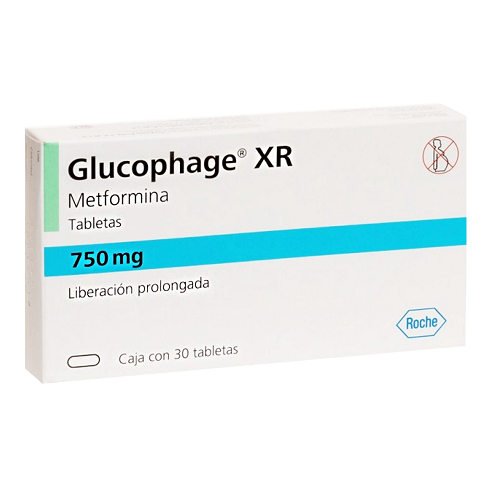
Medical Disclaimer: This article is for informational purposes only. Medication use is only possible after consultation with a licensed healthcare provider. Self-medication is dangerous and may be life-threatening. Always consult a qualified physician in the United States before starting or changing any medication, including Glucophage (metformin).
Table of Contents
- Quick Summary: Glucophage in the United States
- Can You Obtain Glucophage Without a Prescription in the United States?
- How Glucophage Works: Mechanism of Action Explained
- How to Take Glucophage: Dosage, Timing, and Special Instructions
- Glucophage and Food, Alcohol, and Lifestyle: What You Need to Know
- Who Should NOT Take Glucophage? Contraindications and Cautionary Notes
- What Side Effects Are Most Common with Glucophage?
- How Does Glucophage Compare to Alternatives?
- What Happens in Your Body: Glucophage Pharmacokinetics Simplified
- How to Get Glucophage Legally in the United States: Step-by-Step Guide
- How to Spot Counterfeit Glucophage and Know Your Medicine Is Real
- Insurance, Cost, and Coverage for Glucophage in the United States
- Glucophage in Special Populations: Elderly, Pregnancy, Kidney Disease, and More
- What If You Take Too Much Glucophage? Overdose Protocol
- Myth vs Reality: Top Misconceptions About Glucophage
- Frequently Asked Questions About Glucophage
- References
- About the Author
Quick Summary: Glucophage in the United States
| Feature | Details |
|---|---|
| Drug Name | Glucophage |
| Active Ingredient | Metformin hydrochloride |
| Therapeutic Use | Type 2 Diabetes (first-line therapy) |
| Prescription Required in US? | Yes – by law |
| Common Dosages | 500 mg, 850 mg, 1000 mg; extended-release (XR) and immediate-release (IR) |
| Insurance Coverage | Widely covered (Medicare, Medicaid, most commercial plans) |
| Main Contraindication | Moderate/severe kidney disease; risk of lactic acidosis |
| Price (2026) | $5–25/month (generic); Glucophage brand: typically higher |
| Can Be Split/Crushed? | IR: Yes, if scored XR: No (do not crush/chew) |
Bottom line: Glucophage (metformin) is the mainstay oral therapy for type 2 diabetes in the US, requiring a prescription. It is effective, affordable, and has a well-established safety record, but is not suitable for everyone. Careful consideration of kidney function and other comorbidities is essential.
Can You Obtain Glucophage Without a Prescription in the United States?
No. In the United States, it is illegal to obtain Glucophage (metformin) without a valid prescription from a licensed healthcare provider. Buying it from unregulated sources, including online sellers who do not require a prescription, is both unsafe and unlawful.
- Pharmacies (retail or mail-order) require a US-based prescription.
- Telemedicine is legal and can provide valid prescriptions after appropriate consultation.
- Purchasing from non-authorized or foreign websites poses risks of counterfeit products, legal penalties, and health dangers.
How Glucophage Works: Mechanism of Action Explained
Glucophage’s active ingredient, metformin, is classified as a biguanide. Its primary action is to reduce glucose production in the liver (inhibit hepatic gluconeogenesis), increase insulin sensitivity in peripheral tissues, and decrease intestinal absorption of glucose.
- Liver:
- Metformin suppresses the liver’s release of glucose by inhibiting the mitochondrial respiratory chain (complex I), reducing ATP and raising AMP, which ultimately inhibits key enzymes needed for gluconeogenesis.
- Muscle/Fat:
- It increases glucose uptake and utilization by making cells more responsive to insulin, without stimulating excess insulin release (unlike sulfonylureas).
- Gut:
- Reduces absorption of dietary carbohydrates in the intestines.
“In plain English: Glucophage tells the liver to stop dumping excess sugar into your blood and helps your muscles use sugar better, all without making more insulin.”
Metformin’s effects are independent of pancreatic insulin secretion—so it rarely causes low blood sugar (hypoglycemia) when used alone.
2024 clinical update: Recent studies confirm metformin’s role in modifying gut microbiota, which may contribute to its glucose-lowering effects and GI side effects.
[See references]
How to Take Glucophage: Dosage, Timing, and Special Instructions
| Formulation | Starting Dose | Maximum Dose | Usual Dosing Frequency | Notes |
|---|---|---|---|---|
| Immediate-release (IR) | 500 mg once or twice daily with meals | 2550 mg/day (divided doses) | 1-3 times/day | Increase by 500 mg/week as tolerated |
| Extended-release (XR) | 500 mg once daily with evening meal | 2000 mg/day (single or divided dose) | Once or twice/day | Do not crush/chew tablets |
- Start low, go slow: Begin at lowest dose to minimize side effects, especially GI upset.
- Take with food: Reduces nausea and diarrhea risk.
- Peak effect: 2–3 hours (IR); up to 7 hours (XR).
- Tablet splitting: Only split IR tablets if scored. Never split XR.
- Missed dose: Take as soon as remembered unless close to next dose. Never double up.
Important: Dose adjustment is required in patients with reduced kidney function. Consult your doctor before any changes.
Glucophage and Food, Alcohol, and Lifestyle: What You Need to Know
Q: Should I take Glucophage with meals?
Yes. Taking metformin with food (preferably during or just after a meal) reduces the likelihood of gastrointestinal side effects, especially nausea and diarrhea.
Q: Can I drink alcohol while taking Glucophage?
Alcohol is strongly discouraged. Both heavy and even moderate alcohol intake can increase the risk of lactic acidosis, a rare but life-threatening side effect. If you drink, discuss with your physician. Many guidelines recommend avoiding more than one standard drink per day or abstaining altogether.
Q: Does fatty food or grapefruit juice affect metformin?
- Fatty meals: May slightly delay absorption but do not compromise effectiveness.
- Grapefruit juice: No significant interaction reported.
- Fiber-rich foods: May help reduce GI upset.
Q: Should lifestyle changes be combined with Glucophage?
Absolutely. Medication works best when paired with dietary changes, weight management, physical activity, and regular blood glucose monitoring.
| Product | Can Combine? | Consequence |
|---|---|---|
| Alcohol | Strongly discouraged | ↑ Risk of lactic acidosis |
| Fatty meal | Yes | May delay absorption slightly |
| Grapefruit juice | Yes | No reported interaction |
| High-fiber meal | Yes | May ease GI symptoms |
In short: For best results and safety, take Glucophage with meals, limit or avoid alcohol, and follow lifestyle recommendations.
Who Should NOT Take Glucophage? Contraindications and Cautionary Notes
Absolute Contraindications (Never Use)
- Severe kidney impairment: eGFR <30 mL/min/1.73 m2
- Acute or chronic metabolic acidosis: e.g., diabetic ketoacidosis, lactic acidosis (history or current)
- Allergy to metformin or any ingredient in Glucophage
- Acute conditions with risk of kidney injury: e.g., dehydration, severe infection, shock
Relative Contraindications (Use With Caution, Doctor’s Discretion)
- eGFR 30–45 mL/min/1.73 m2: Lower starting dose, frequent kidney monitoring
- Age >80 years: Higher risk of reduced kidney function
- Congestive heart failure (unstable or acute): Higher risk for lactic acidosis
- Liver disease: May increase risk for lactic acidosis
- Severe respiratory disease: Risk of hypoxia and acidosis
Drug-Drug Interactions
- Iodinated contrast (for imaging): Temporarily stop metformin before/after large contrast studies to prevent kidney injury
- Other diabetes medications: Risk of hypoglycemia if combined with insulin or sulfonylureas
Why? Metformin is eliminated by the kidneys. Impaired function can lead to dangerous accumulation and lactic acidosis—a rare but deadly condition.
Always report any new diagnosis, procedure, or symptom to your healthcare provider before continuing Glucophage.
What Side Effects Are Most Common with Glucophage?
Very Common (>1 in 10 patients)
- Nausea
- Diarrhea
- Stomach discomfort
- Metallic taste
- Loss of appetite
Common (1 in 100 to 1 in 10)
- Vomiting
- Flatulence (gas)
- Mild abdominal pain or cramps
- Headache
Rare (<1 in 1,000)
- Lactic acidosis (life-threatening emergency)
- Low vitamin B12 levels (with long-term use)
- Skin rash, itching
Very Rare (<1 in 10,000)
- Liver dysfunction (hepatitis, abnormal tests)
- Anaphylactic reactions (severe allergy)
If you develop sudden muscle pain, difficulty breathing, extreme fatigue, or abdominal pain—seek emergency help immediately. These could be early signs of lactic acidosis.
For mild side effects (nausea, loose stools), dose reduction or slow titration usually helps. Never stop Glucophage abruptly without your doctor’s advice.
How Does Glucophage Compare to Alternatives?
| Drug | Main Action | Onset | Hypoglycemia Risk | Cost (Generic/Brand) | Unique Risks |
|---|---|---|---|---|---|
| Glucophage (Metformin) | ↓ Hepatic glucose, ↑ insulin sensitivity | Few days – weeks | Very low (monotherapy) | $5–$25/month | Lactic acidosis (rare) |
| Sulfonylureas (e.g., glipizide) |
↑ Insulin release | Hours – days | High | $10–$30/month | Weight gain, hypoglycemia |
| SGLT2 Inhibitors (e.g., empagliflozin) |
↑ Urinary glucose excretion | Days | Low | $200–$600/month | Urinary/genital infections |
| GLP-1 Agonists (e.g., semaglutide) |
↑ Insulin, ↓ appetite | Days–weeks | Low | $900–$1400/month | GI effects, rare pancreatitis |
Bottom line: Glucophage is the first-line oral agent for type 2 diabetes in US guidelines due to efficacy, safety, and cost. It is typically the starting medication unless contraindicated. Other agents are considered if metformin is not tolerated or in combination therapy.
What Happens in Your Body: Glucophage Pharmacokinetics Simplified
- Absorption: About 50–60% absorbed after oral dosing. Food slows absorption but does not reduce total uptake.
- Peak Plasma: IR: 2–3 hours. XR: up to 7 hours.
- Distribution: Not bound to plasma proteins; distributes mainly to GI tissues, liver, kidneys.
- Metabolism: Not metabolized by the liver. Excreted unchanged in urine.
- Elimination Half-Life (T1/2): 4–8.7 hours.
- Excretion: Via kidneys. Accumulates if renal function declines.
In everyday terms: Glucophage moves through your gut, is taken up into your bloodstream, acts on the liver and muscles, and is flushed out by your kidneys without being broken down by the liver.
Implication: Any decrease in kidney function can make Glucophage build up—hence the strict dosing limits for those with reduced eGFR.
How to Get Glucophage Legally in the United States: Step-by-Step Guide
- Book an Appointment: Schedule a visit with your primary care physician, endocrinologist, or a certified telemedicine provider. Many clinics in major cities (e.g., New York, Los Angeles, Houston) offer same-day telehealth consults.
- Medical Evaluation: Your doctor will assess your blood sugar history, kidney and liver function, and other risk factors. Laboratory bloodwork (fasting glucose, A1c, eGFR) is usually required.
- Receive Prescription: If Glucophage is appropriate, you’ll be provided a prescription—often sent electronically to your pharmacy of choice.
- Fill the Prescription: Pick up your medication at a licensed US pharmacy (retail chains, local independent, or accredited mail-order). Pharmacies check for drug interactions and dispense only FDA-approved medications.
- Ongoing Monitoring: Return for follow-ups and lab tests as advised, generally every 3–6 months.
Important: Never attempt to obtain Glucophage from unverified online sources. Only use pharmacies accredited by the National Association of Boards of Pharmacy (NABP) or displaying the .Pharmacy seal.
How to Spot Counterfeit Glucophage and Know Your Medicine Is Real
- Packaging
- Should be in original manufacturer boxes, with distinct labeling, batch number, and expiration date. US packaging will list the FDA-registered manufacturer and NDC (National Drug Code).
- Tablet Appearance
- Brand Glucophage tablets are white, round/oval, with “BMS 6060” or similar engraving (may vary by strength).
- Blisters/Bottles
- Sealed blisters or pharmacy bottles. XR tablets often have “XR” imprinted.
- Verification Features
- QR codes, holograms, or tamper-evident seals on some packaging. Scan with a smartphone or use the FDA’s BeSafeRx tool.
- Red flag: Unusually low price, foreign language labeling, missing lot numbers, or pills that differ in color/shape from previous fills.
- Generics: FDA-approved generics are as effective as branded Glucophage and undergo rigorous bioequivalence testing. Inactive ingredients (excipients) may differ and can rarely cause allergy or intolerance.
If in doubt, ask your pharmacist or check the product at the manufacturer’s website. Report suspected counterfeits to the FDA MedWatch program.
Insurance, Cost, and Coverage for Glucophage in the United States
- Generics: Widely available and typically cost $5–$25/month with insurance or discount programs; some pharmacies (e.g., Walmart, Kroger) offer $4 monthly plans.
- Brand Glucophage: Higher cost, rarely needed unless intolerant to all generics.
- Insurance Coverage: Nearly all commercial plans, Medicare Part D, and Medicaid cover metformin. Co-pays may vary.
- Discount Cards: GoodRx, SingleCare, and other US-based programs can reduce out-of-pocket costs even for uninsured patients.
- Assistance Programs: Manufacturer assistance for eligible low-income patients is available (NeedyMeds).
Bottom line: Glucophage is one of the most affordable chronic medications in the US, especially as a generic. Always check coverage with your pharmacy and insurer.
Glucophage in Special Populations: Elderly, Pregnancy, Kidney Disease, and More
- Elderly (>80 years): Higher risk of kidney impairment. Use only if normal eGFR.
- Pregnancy: Not FDA-approved for gestational diabetes, but sometimes used off-label. Insulin is preferred. Discuss risks/benefits with your OB-GYN.
- Breastfeeding: Metformin is excreted in breast milk but generally considered safe at standard doses—however, always consult your pediatrician.
- Kidney Disease: Dose adjustment or discontinuation required as eGFR falls below 45 mL/min/1.73 m2; contraindicated below 30.
- Liver Disease: Increased risk of lactic acidosis; generally avoid unless benefits outweigh risks.
- Driving/Operating Machinery: No direct effect; hypoglycemia is rare unless combined with other medicines.
- Family Planning/Fertility: Sometimes used in polycystic ovary syndrome (PCOS) for ovulation induction. No adverse effect on male fertility reported.
- Mental Health: May help with weight-neutral or weight-loss effects; discuss co-morbidities with your provider.
Empathy note: Living with type 2 diabetes is challenging but manageable. Remember, millions of Americans successfully control their condition with medications like Glucophage, healthy eating, activity, and support from their care team.
What If You Take Too Much Glucophage? Overdose Protocol
- Stop taking Glucophage immediately.
- Call Poison Control (1-800-222-1222) or 911 if you feel seriously unwell (nausea, vomiting, rapid breathing, drowsiness, confusion, muscle pain).
- Tell emergency personnel: Exact dose, time taken, and any co-ingested substances (especially alcohol).
- Hospitalization may be required. Severe cases might require hemodialysis to remove metformin.
- Never induce vomiting or attempt home remedies.
Lactic acidosis from overdose is rare but can be fatal. Rapid medical intervention is essential.
Myth vs Reality: Top Misconceptions About Glucophage
- Myth: “Glucophage cures diabetes.”
Reality: It manages blood sugar but does not cure the disease. Lifestyle changes remain essential. - Myth: “You can buy metformin safely online without a prescription.”
Reality: Illegal in the US and risks serious harm from counterfeit drugs. - Myth: “It causes severe hypoglycemia.”
Reality: Not when used alone. Only increases risk if combined with other agents that lower blood sugar. - Myth: “All generics are inferior.”
Reality: FDA-approved generics are bioequivalent and just as effective as brand-name Glucophage. - Myth: “Once you start, you can never stop.”
Reality: Medication can sometimes be reduced or stopped if diabetes is well controlled with lifestyle changes. Always under medical supervision.
Frequently Asked Questions About Glucophage
- Is it legal to order Glucophage online in the United States?
- Only when ordered from an accredited US-based pharmacy with a valid prescription. Buying from unregulated or foreign websites is illegal and dangerous.
- Can Glucophage cause weight loss?
- Some patients experience modest weight loss, but it is not a primary weight-loss drug. Diet and exercise remain crucial.
- How long does it take for Glucophage to start working?
- Blood sugar improvements can be seen within days, but full A1c lowering effect may take 2–4 weeks.
- Can I stop Glucophage suddenly?
- Do not stop abruptly without medical advice; blood sugars may rise quickly.
- Does Glucophage interact with other medicines?
- Yes. Especially medicines that affect kidney function or insulin. Always disclose all medications to your provider.
- Is Glucophage covered by Medicare or Medicaid?
- Yes, both typically cover generic metformin. Co-pays and coverage vary by state and plan.
- Is there a risk of dependence or withdrawal?
- Glucophage is not habit-forming and causes no withdrawal, but abrupt discontinuation may worsen diabetes control.
- Can Glucophage be taken long-term?
- Yes—many patients take it for years, with regular monitoring for B12 deficiency and kidney function.
References
- U.S. Food and Drug Administration (FDA), “Metformin Hydrochloride Label,” FDA.gov (Accessed June 2026).
- American Diabetes Association, “Standards of Care in Diabetes—2026,” Diabetes Care (2026).
- Inzucchi SE, et al., “Management of Hyperglycemia in Type 2 Diabetes, 2024,” PubMed (2024).
- National Institutes of Health (NIH), “Metformin,” NCBI Bookshelf (Accessed June 2026).
- National Association of Boards of Pharmacy, “.Pharmacy Accredited Sites,” safe.pharmacy (Accessed June 2026).
- U.S. Food and Drug Administration, “BeSafeRx: Your Source for Online Pharmacy Information,” FDA.gov (Accessed June 2026).