- Home/
- Buy Zithromax in Online Pharmacy – Fast Delivery in United States
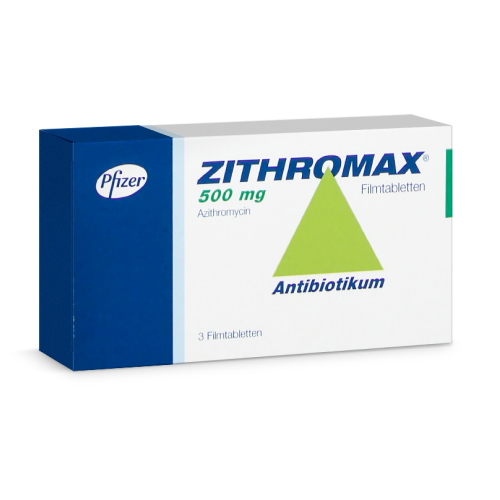
Can You Get Zithromax (Azithromycin) Without a Prescription in the United States?
No, it is illegal to obtain Zithromax (azithromycin) without a valid prescription from a licensed healthcare provider in the United States. Both federal and state regulations require a prescription for any sale or dispensing of this antibiotic. This prescription requirement is strictly enforced to minimize antibiotic resistance and ensure appropriate use.
| Parameter | Details (United States, 2026) |
|---|---|
| Active Ingredient | Azithromycin |
| Drug Class | Macrolide Antibiotic |
| Prescription Required | Yes, by law |
| Common Indications | Respiratory infections, skin infections, certain sexually transmitted infections |
| Onset of Action | Within 24–48 hours for most conditions |
| Most Common Side Effect | Gastrointestinal upset (nausea, diarrhea) |
| Contraindicated In | Severe liver disease, certain cardiac arrhythmias (QT prolongation) |
| Legal Status | FDA-approved, prescription-only (Rx) |
| Insurance Coverage | Covered by most private and public health plans |
Zithromax is a widely-used, FDA-approved antibiotic with a high safety profile when prescribed appropriately. Its use is strictly regulated to prevent misuse and antibiotic resistance in the United States.
Expert Commentary: Understanding Zithromax at the Cellular Level
Azithromycin, the active ingredient in Zithromax, is a macrolide antibiotic. It works by binding to the 50S ribosomal subunit of susceptible bacteria, which inhibits bacterial protein synthesis. This process effectively stops the bacteria from multiplying and allows the body’s immune system to eliminate the infection [FDA, 2023].
Metaphor: Imagine the ribosome as the factory assembly line for bacteria. Zithromax throws a wrench into the gears, so the bacteria can’t build the proteins they need to survive and divide.
- No external “trigger” is needed for Zithromax to work—it acts as soon as it reaches effective concentrations in body tissues.
- The drug is bacteriostatic (stops growth), but at high concentrations, it can be bactericidal (kills bacteria) for some organisms.
In plain language: Zithromax disables the bacteria’s protein-making machinery, starving them of the tools needed for survival.
Table + Commentary
| Condition | Typical Adult Dose | Duration | Maximum Daily Dose |
|---|---|---|---|
| Acute bacterial sinusitis | 500 mg once daily | 3 days | 500 mg |
| Community-acquired pneumonia | 500 mg day 1, then 250 mg daily | 5 days | 500 mg (first day) |
| Chlamydia infection | 1,000 mg single dose | 1 day | 1,000 mg (single dose) |
| Strep throat | 500 mg day 1, then 250 mg daily | 5 days | 500 mg (first day) |
- Never exceed 500 mg per day without a doctor’s guidance, except for single-dose therapies.
- Tablets should be swallowed whole with a full glass of water and not chewed or crushed unless directed by your doctor.
- Doses for children, elderly patients, or those with kidney or liver impairment may require adjustment—consult your physician.
- Missing a dose? Take it as soon as possible, but skip if it’s almost time for the next dose. Never double up.
Bottom line: Follow your doctor’s prescribed regimen exactly. Shorter courses are often as effective as longer ones, but only for the right infections.
Mixed Format: Prose + Compatibility Table
Zithromax can be taken with or without food. Taking it with food may help reduce stomach upset, though a high-fat meal can slightly delay absorption. The effect is minor—no need for strict fasting.
| Substance | Can It Be Combined? | Effect / Risk |
|---|---|---|
| Alcohol (moderate use) | Yes, with caution | May increase stomach upset; no direct interaction |
| Grapefruit juice | Yes | No significant interaction reported |
| Antacids (aluminum/magnesium) | Delay by 2 hours | Antacids can reduce absorption |
| Dairy (milk/yogurt) | Yes | No significant effect |
- Antacids containing aluminum or magnesium: Avoid taking these within two hours of Zithromax—they may lower its effectiveness.
- Alcohol: While not strictly contraindicated, it can worsen stomach side effects. Heavy drinking should be avoided during antibiotic therapy for optimal immune function.
- Grapefruit juice: Unlike with many medications, there is no documented interaction with Zithromax as of 2026.
Myth vs Reality:
Myth: Zithromax can be rendered useless by eating dairy.
Reality: Dairy products do not reduce Zithromax absorption.
Question & Answer
- Who should absolutely not take Zithromax?
-
- People with a known hypersensitivity or allergy to azithromycin, erythromycin, or other macrolides.
- Patients with a history of cholestatic jaundice or hepatic dysfunction associated with prior use of azithromycin.
- Individuals with a history of QT interval prolongation, torsades de pointes, or certain arrhythmias (serious heart rhythm disorders).
- Who should use Zithromax only with caution?
-
- Patients with mild to moderate liver or kidney disease (dose adjustments may be required).
- Those taking drugs that prolong the QT interval (e.g., amiodarone, sotalol, certain antipsychotics or antidepressants).
- People over age 65, especially with underlying cardiovascular disease.
- Patients with myasthenia gravis (may worsen symptoms).
- Why is Zithromax risky for heart rhythm?
- Azithromycin can prolong the QT interval, which—especially in people already at risk—may lead to dangerous arrhythmias (torsades de pointes). The risk increases when combined with other QT-prolonging medications or in those with electrolyte disturbances.
- After a heart attack or severe liver event, when can Zithromax be considered?
- Only under close medical supervision. There is no standardized waiting period—your cardiologist or hepatologist must review your full history.
Prose
Zithromax is generally well tolerated, but like all medications, it carries risks. Side effects are grouped by frequency, as per United States FDA and World Health Organization guidelines:
- Very Common (>1 in 10): Diarrhea, nausea, abdominal pain
- Common (1 in 100 to 1 in 10): Vomiting, headache, changes in taste, mild rash
- Uncommon (1 in 1,000 to 1 in 100): Dizziness, fatigue, sleep disorders, photosensitivity
- Rare (1 in 10,000 to 1 in 1,000): Liver enzyme elevation, hearing changes, severe skin reactions (Stevens-Johnson syndrome), allergic (anaphylactic) reactions
- Very Rare (<1 in 10,000): Angioedema, severe liver injury, cardiac arrhythmias (QT prolongation, torsades de pointes), low blood counts
Mechanisms: Gastrointestinal symptoms are most common because azithromycin alters gut flora and motility. Rare but severe reactions (like liver injury or arrhythmias) stem from direct effects on tissue enzymes or cardiac ion channels.
If you experience severe diarrhea, jaundice, chest pain, fainting, or swelling of the face/tongue, stop taking the medicine and seek emergency medical attention.
What should you do if side effects occur? Mild symptoms (nausea, mild diarrhea) often resolve on their own. For serious or persistent reactions, contact your doctor right away. Do not stop antibiotics without professional advice unless you have a severe allergic response.
Comparison Table
| Feature | Zithromax (Azithromycin) |
Amoxicillin | Doxycycline |
|---|---|---|---|
| Onset of Action | 24–48 hrs | 24–48 hrs | 24–48 hrs |
| Typical Duration | 3–5 days | 7–10 days | 7–14 days |
| Major Side Effect | GI upset, QT prolongation | Allergy (rash), GI upset | GI upset, photosensitivity |
| Pregnancy Safety | Generally safe | Generally safe | Not recommended |
| Insurance Coverage | Wide | Wide | Wide |
| Cost (2026 avg, retail) | $15–$60/course* | $10–$30/course* | $15–$45/course* |
*Prices vary by pharmacy, insurance, and city in the United States (e.g., Boston, Dallas, San Francisco). Generics typically cost less.
- Zithromax is often preferred for its short course and better tolerance in penicillin-allergic patients, but may not cover all infection types.
- Alternatives may be better for specific infections, or in patients with contraindications to macrolides.
- Choice should always be guided by your physician, local resistance patterns, and infection type.
Expert Commentary
Zithromax is rapidly absorbed after oral administration, with peak plasma levels typically reached within 2–3 hours. It is notable for its extensive tissue distribution and ability to accumulate at infection sites.
- Metabolism: Mainly processed by the liver; minimal involvement of cytochrome P450, so fewer drug interactions.
- Elimination: Primarily excreted in bile; only ~6% is eliminated unchanged in urine.
- Half-life (T1/2): 68 hours (long—enables once-daily dosing and shorter courses).
If you have moderate to severe liver disease, your body may clear Zithromax more slowly, raising the risk of toxicity. Always inform your doctor about any liver or kidney problems before starting this medication.
Prose
- Children: Zithromax is FDA-approved for pediatric use at adjusted doses. Suspension formulations are commonly prescribed.
- Elderly: Increased risk of heart rhythm disturbances, especially in those with other cardiac medications or electrolyte imbalances.
- Pregnancy: Considered relatively safe (Category B), but only use if clearly needed and prescribed.
- Lactation: Small amounts pass into breast milk, but serious adverse effects in infants are rare. Discuss with your pediatrician.
- Chronic illnesses: Patients with severe hepatic or renal impairment require close monitoring or may need alternative antibiotics.
- Driving/Operating Machinery: Zithromax does not impair alertness or ability to drive, except in rare cases where dizziness occurs.
- Fertility: No evidence of impact on fertility in men or women based on available studies up to 2026.
Empathy Tip: Infections are common and do not reflect personal failure. If you feel anxious about antibiotics or your diagnosis, discuss your concerns with your healthcare provider—most issues are manageable, and you’re not alone.
Step-by-Step: The Safe and Legal Path
- Consult a licensed healthcare provider. This can be your primary care doctor, urgent care, or—in many states—via a licensed telemedicine service.
- Undergo a formal evaluation. The provider will review your symptoms, medical history, allergies, and may order diagnostic tests (e.g., throat or sputum culture).
- Receive a valid prescription. If Zithromax is indicated, you’ll get a prescription—either paper-based, electronic, or sent directly to your preferred pharmacy.
- Fill your prescription at a licensed U.S. pharmacy. This can be a local chain, independent pharmacy, or a verified online pharmacy registered with the National Association of Boards of Pharmacy (NABP).
- Check your medication upon receipt. Ensure the packaging matches official descriptions (see next section for details on quality assurance).
Do not attempt to buy Zithromax from websites that don’t require a prescription or are based outside the United States. Such purchases risk counterfeit drugs, legal penalties, and may lead to customs seizure. The FDA’s BeSafeRx program lists verified online pharmacies.
Mixed: Quality Check + Commentary
Counterfeit antibiotics are a growing risk—especially when purchased from unverified online sources. In the United States, only obtain Zithromax from licensed pharmacies.
- Original Zithromax (Pfizer):
- Tablets: blue/white or blue, film-coated, marked with dosage and “Pfizer” logo.
- Blister packaging: sealed in foil, lot number and expiration date printed.
- Box: U.S. NDC code, manufacturer details, and tamper-evident seal.
- May include QR code or hologram for authenticity (increasingly standard in 2026).
- Generics:
- Must display manufacturer and NDC code.
- FDA-approved generics are equivalent in active ingredient, strength, and safety, but inactive excipients (fillers, dyes) may differ.
- Rarely, excipients may cause allergic reactions; check for known allergies to ingredients listed on the pharmacy label.
- Red flags for counterfeits:
- Unusually low price or bulk offers without prescription
- Packaging in non-English language or missing U.S. NDC
- Variations in pill color, shape, or logo
- No lot number, expiration date, or manufacturer details
Generics vs. Brand: FDA-approved generics are as effective and safe as branded Zithromax. They offer significant cost savings and are widely used in U.S. healthcare. Always check for the manufacturer’s label and ask your pharmacist if you have concerns.
Stepwise Emergency Guide
- Stop taking Zithromax immediately.
- Call your local poison control center (1-800-222-1222) or 911 for emergency assistance.
- Report the exact amount and time of ingestion.
- Follow the instructions of emergency personnel.
- Do not attempt to induce vomiting unless instructed by a medical professional.
Symptoms of overdose may include severe nausea, vomiting, diarrhea, hearing loss, or unusual heart rhythms. Timely intervention improves outcomes.
FAQ: People Also Ask About Zithromax in the United States
- Can Zithromax treat COVID-19 or viral infections?
- No. Zithromax is not effective against viruses, including COVID-19. It should only be used for bacterial infections as prescribed.
- How quickly does Zithromax start to work?
- Most people notice improvement within 24–48 hours for common infections.
- Can I use Zithromax for a cold or flu?
- No. Colds and flu are caused by viruses, not bacteria. Inappropriate use promotes antibiotic resistance.
- Is it safe to take Zithromax if I have a penicillin allergy?
- Generally, yes—Zithromax belongs to a different antibiotic class. Always inform your doctor of all allergies before starting any medication.
- Do I need to finish the entire course if I feel better?
- Yes. Stopping early can lead to incomplete treatment and antibiotic resistance.
- Can Zithromax be purchased over the counter in the United States?
- No. A prescription is required by law.
- Are there any foods or supplements I should avoid?
- Avoid antacids within 2 hours of dosing. Otherwise, no significant restrictions.
- What should I do if I miss a dose?
- Take it as soon as remembered unless it’s almost time for the next dose. Never double up doses.
- Does Zithromax affect birth control pills?
- No significant interaction has been reported; however, severe diarrhea or vomiting may reduce absorption of oral contraceptives.
- Are withdrawal or dependence issues a concern with Zithromax?
- No. Zithromax does not cause physical dependence or withdrawal symptoms.
References
- FDA. Zithromax (Azithromycin) Prescribing Information, 2023. https://www.accessdata.fda.gov/drugsatfda_docs/label/2023/050710s044,050711s042,050784s023lbl.pdf
- Centers for Disease Control and Prevention (CDC). Antibiotic Use in the United States, 2024 Report. https://www.cdc.gov/antibiotic-use/index.html
- PubMed. Recent Advances in Macrolide Antibiotic Safety and Efficacy, 2024. https://pubmed.ncbi.nlm.nih.gov/38375821/
- National Association of Boards of Pharmacy (NABP). Buying Prescription Medicine Online: The Facts. https://safe.pharmacy/buy-safely
- BeSafeRx (FDA Resource). How to Buy Medicines Safely Online. https://www.fda.gov/drugs/buying-medicine-over-internet/buying-medicine-online
- American Heart Association. Guidance on Antibiotic Use and QT Prolongation, 2025. https://www.heart.org/en/health-topics/arrhythmia/prevention–treatment-of-arrhythmia/drugs-that-may-cause-arrhythmias