

- Home/
- Buy Clomid Online in the United States Safely and Conveniently
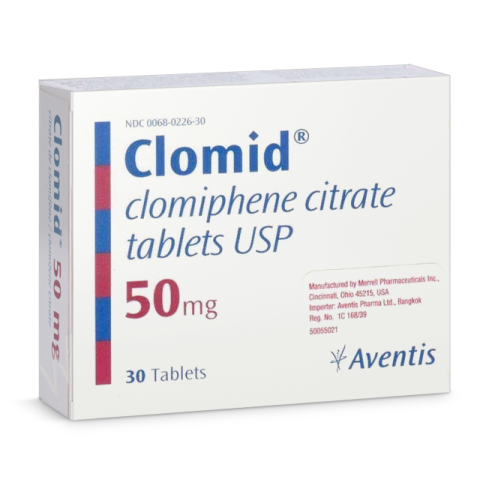
Clomid (Clomiphene) in the United States: The Ultimate Expert Guide for Safe, Effective, and Legal Use
Can you get Clomid without a prescription in the United States?
Key Takeaways: Clomid at a Glance
| Parameter | Details |
|---|---|
| Active Ingredient | Clomiphene citrate |
| Prescription Required | Yes (FDA regulated) |
| Main Use | Female infertility, specifically ovulation induction |
| Typical Course | 5 days per cycle; repeatable up to 6 cycles |
| Notable Risks | Ovarian hyperstimulation, visual disturbances, multiple births |
| Contraindications | Liver disease, abnormal uterine bleeding, ovarian cysts not due to PCOS, pregnancy |
| Approximate Cost (2026) | $15–$80 per cycle (varies by generic/brand, insurance, and pharmacy) |
Bottom line: Clomid is an effective, FDA-approved treatment for certain types of female infertility, but must be used under the guidance of a United States-licensed healthcare professional.
How Does Clomid Work? The Science Behind Clomiphene
Mechanism of Action
Clomid (clomiphene citrate) is a selective estrogen receptor modulator (SERM). Its main action is at the hypothalamus and pituitary gland, where it blocks estrogen receptors. This tricks the body into sensing low estrogen levels, prompting the hypothalamus to release more gonadotropin-releasing hormone (GnRH). In turn, the pituitary gland boosts production of follicle-stimulating hormone (FSH) and luteinizing hormone (LH), both of which are crucial for prompting ovulation (egg release).
Metaphor: Imagine your body’s hormone system as a thermostat. When Clomid “covers up” the estrogen sensors, your system thinks the room (your body) is cold (low estrogen), so it “turns up the heat” (increases FSH and LH), triggering ovulation.
In short, Clomid does not supply hormones directly. It changes how your body uses its own hormones, making it especially effective in individuals with unexplained ovulatory dysfunction.
Key: Clomid is only effective if the ovaries are capable of response. It will not produce results in cases of primary ovarian failure or menopause.
How to Take Clomid: Dosage, Timing, and Safety
- Standard Starting Dose
-
- Usually 50 mg once daily for 5 consecutive days, starting on day 3, 4, or 5 of the menstrual cycle.
- Maximum Dose
-
- May be increased to 100 mg daily for 5 days if ovulation does not occur with the lower dose.
- Maximum recommended dose: 100 mg daily. Doses above this do not increase efficacy but do increase risk.
- Duration of Use
-
- Up to 6 cycles is the usual maximum; longer or repeated courses are rarely recommended due to increased risk of ovarian tumors.
- Special Considerations
-
- Elderly/Children: Clomid is not indicated for postmenopausal women or children.
- Liver/kidney impairment: Contraindicated in significant liver disease.
- Tablet splitting: Most Clomid and generic clomiphene tablets are scored and may be split, but always confirm with your dispensing pharmacist, as some brands differ in formulation.
- Peak Effect
-
- Ovulation typically occurs 5–10 days after the last dose of Clomid.
Clomid and Your Lifestyle: Food, Alcohol, and Everyday Interactions
Question & Answer
- Should Clomid be taken with food?
- Clomid may be taken with or without food. Taking it with food can reduce stomach upset, but high-fat meals do not significantly affect absorption.
- Can I drink alcohol while taking Clomid?
- There are no known direct interactions between moderate alcohol use and Clomid. However, excessive alcohol can worsen side effects (e.g., dizziness, mood changes) and reduce fertility. Most clinics recommend limiting or avoiding alcohol during fertility treatment.
- What about grapefruit juice?
- No clinical data suggest a significant interaction between grapefruit juice and Clomid. However, always disclose all supplements and foods to your provider.
- Any special diet required?
- No special diet is required. However, maintaining a healthy weight and balanced nutrition can optimize fertility outcomes.
| Product/Activity | Can It Be Combined? | Potential Outcome |
|---|---|---|
| Alcohol (moderate) | With caution | May increase side effects |
| Grapefruit juice | Permitted | No proven impact |
| High-fat meal | Permitted | No major delay in absorption |
| Aspirin or NSAIDs | Yes | No significant interaction |
Myth: “Clomid always causes weight gain and mood swings.”
Reality: Most people do not experience significant long-term weight changes. Mood swings can occur, but are usually mild and temporary.
Who Should NOT Use Clomid? Contraindications and Cautions
Expert Commentary
Not everyone is a candidate for Clomid therapy. Understanding the absolute and relative contraindications is essential to avoid serious complications.
-
Absolute Contraindications (Never Use):
- Pregnancy (known or suspected)
- Liver disease or abnormal liver function tests
- Abnormal uterine bleeding of unknown cause
- Ovarian cysts not due to polycystic ovary syndrome (PCOS)
- Uncontrolled thyroid or adrenal dysfunction
- Hypersensitivity to clomiphene or any excipients
-
Relative Contraindications (Use with Caution):
- Endometriosis
- Polycystic ovary syndrome (higher risk for ovary overstimulation)
- History of visual disturbances during prior Clomid use
- Significant psychiatric history
Why these restrictions? For example, liver disease impairs drug metabolism and increases toxicity risk. Abnormal uterine bleeding might signal a cancer or other underlying pathology that Clomid could worsen. Ovarian cysts (not PCOS) can enlarge or rupture.
- After recent hormone-dependent tumors (e.g., breast cancer): Clomid is contraindicated unless specifically approved by your oncologist.
What Side Effects Are Most Common with Clomid? What to Watch For
| Frequency | Side Effect | Why It Happens |
|---|---|---|
| Very Common (>1/10) |
Hot flashes | Estrogen modulation affects temperature regulation |
| Common (1/10–1/100) |
Abdominal discomfort, bloating, breast tenderness, mood swings, nausea, headache | Hormonal fluctuations |
| Uncommon | Visual disturbances (blurred vision, floaters), dizziness | Estrogen effect on the optic nerve or CNS |
| Rare (<1/1000) |
Ovarian hyperstimulation syndrome (OHSS), ovarian enlargement, multiple births (twins or more), allergic reactions | Excessive hormone response, increased ovulation rate |
| Very Rare | Thromboembolism, seizures, severe psychiatric symptoms | Idiosyncratic, rare reactions |
- Mild symptoms (flushing, nausea): May resolve on their own; notify your prescriber if persistent or bothersome.
- Visual disturbances or severe pain: Stop taking Clomid and seek immediate medical advice.
- Signs of ovarian hyperstimulation (sudden weight gain, severe bloating, shortness of breath): Seek emergency care.
Clomid vs Alternatives: How Does It Compare?
Clomid is not the only choice for female infertility, but it remains a first-line agent for many United States fertility specialists. Here’s how it stacks up:
| Drug | How It Works | Onset of Action | Risks/Side Effects | Average Cost per Cycle (2026) |
|---|---|---|---|---|
| Clomid (Clomiphene) | SERM (estrogen receptor blocker); increases FSH, LH | Ovulation in 5–10 days after last dose | Hot flashes, multiple births, OHSS (rare), visual changes | $15–$80 |
| Letrozole (Femara) | Aromatase inhibitor; reduces estrogen synthesis | Similar timing | Fatigue, joint pain, lower risk of multiple births | $15–$70 |
| Gonadotropins (injections) | FSH/LH directly injected | Rapid ovulation induction | High risk of OHSS, multiple births, expensive | $1,000–$5,000 |
Clomid is often chosen first due to low cost, oral route, and proven safety profile. Letrozole is gaining favor in some cases, especially for polycystic ovary syndrome. Gonadotropin injections are reserved for complex or resistant cases due to cost and risk profile.
Clomid Pharmacokinetics: What Happens in Your Body?
After oral administration, Clomid is well absorbed through the gastrointestinal tract. The drug is mainly metabolized in the liver and excreted slowly via feces. Only a small portion is eliminated in urine.
- Half-life: Clomiphene’s half-life ranges from 5 to 7 days, but can be longer due to its high lipid solubility and enterohepatic recycling.
- Implication: Clomid (and its isomers) may remain in your system for weeks after the last dose, which is why cycles between courses are built into treatment plans.
For patients with liver disease: Because metabolism relies on liver function, those with impaired hepatic function are at increased risk of adverse effects and are generally advised not to use Clomid.
Driving and Machinery: Clomid can cause vision disturbances or dizziness in rare cases. Caution is advised until you know how the medication affects you.
How to Legally Obtain Clomid in the United States: Step-by-Step
- Consult a Qualified Specialist: Make an appointment with your OB/GYN, reproductive endocrinologist, or a fertility specialist in your area (e.g., New York, Los Angeles, Houston). Telemedicine visits are increasingly common and legal in all 50 states.
- Diagnostic Evaluation: Your doctor will review your medical history, perform necessary labs (FSH, LH, thyroid function, etc.), and may order imaging to rule out contraindications.
- Receive a Prescription: If you meet the criteria for ovulation induction, your doctor will send an electronic prescription (eRx) to a United States-licensed pharmacy of your choice.
- Purchase from a Licensed Pharmacy: Fill your prescription at a local pharmacy or a U.S.-verified online/mail-order pharmacy. Look for .pharmacy domain or NABP (National Association of Boards of Pharmacy) verification.
- Begin Treatment as Directed: Start Clomid according to your doctor’s instructions. Follow up as scheduled for monitoring, including ultrasound and hormone checks.
Counterfeit Risk: How to Spot Fake or Unsafe Clomid
Original vs Generic: How to Tell the Difference
- Original Clomid: Manufactured by Sanofi or its partners; comes in tamper-evident blister packs, with clear lot number, expiration date, and U.S.-specific labeling. Packaging is consistent and includes FDA-approved language.
- Generics: (e.g., clomiphene citrate by Teva, Mylan, Zydus, and others) are FDA-approved in the United States. Generics must conform to the same quality, safety, and efficacy standards. They may differ in tablet color, shape, or excipients (inactive ingredients), but active ingredient and dose are equivalent.
How to spot a fake? Watch for these warning signs:
- Packaging with non-English labeling or missing FDA-required warnings
- Unusually low price (less than $10 for a full cycle)
- No prescription required, or seller asks to “consult their doctor” online with no credential check
- Missing lot number or expiration date
- Different pill size, color, or markings than approved brands
Always inspect your Clomid tablets and packaging upon receipt. In the United States, genuine products display engravings or imprints, a tamper-resistant seal, and may include a QR code for verification. If in doubt, verify with your pharmacist or check the lot number with the FDA’s Drug Shortages and Safety page.
What about generics? Generics are cost-effective and just as effective as branded Clomid. However, excipients may vary, so patients with known allergies should check the inactive ingredient list, available at the dispensing pharmacy.
Insurance, Pricing, and United States Pharmacy Practices
Mixed (Prose + Table)
Clomid is not always covered by insurance. Many United States plans exclude fertility treatment medications, but some employer-sponsored or state plans may provide partial coverage. Always check your formulary and ask your provider to send the prescription to a pharmacy within your network.
| Parameter | Range/Details (2026) |
|---|---|
| Cash Price (generic) | $15–$35 per cycle (5 tablets) |
| Cash Price (brand Clomid) | $60–$80 per cycle |
| Insurance copay | Varies; some plans $5–$20, others not covered |
| Mail-order/Telehealth pharmacy | Available; requires valid U.S. prescription with verification |
Pharmacy tip: Only pharmacies licensed within the United States are permitted to dispense prescription medications by mail. The NABP offers a search tool to verify legitimacy.
Female Infertility and Your Journey: A Note on Support
Experiencing infertility can feel isolating and stressful, but you are not alone. Millions of people across the United States face similar challenges, and effective treatments like Clomid have helped many achieve their goals. Remember, infertility often has both physical and emotional components. Don’t hesitate to discuss concerns with your provider—or reach out to a support group or counselor. It’s normal to need help along the way.
Clomid Overdose: What To Do and When to Seek Help
- Stop taking Clomid immediately if you have taken more than the prescribed amount.
- Call Poison Control: Contact the Poison Help Line (1-800-222-1222) in the United States for immediate advice.
- Seek Emergency Medical Attention: If you experience severe symptoms (vomiting, severe abdominal pain, vision changes, shortness of breath, confusion), call 911 or go to the nearest emergency room.
- Provide Details: Be ready to give information about the dose, time taken, and any symptoms.
- Do not wait for symptoms to appear—prompt action can prevent complications.
Frequently Asked Questions (FAQ)
- Can I use Clomid every month?
- Most protocols recommend up to 6 cycles, with each cycle typically separated by at least a month. Prolonged use increases risks and is rarely advised.
- Does Clomid guarantee pregnancy?
- No. While Clomid increases ovulation rates substantially, pregnancy also depends on other factors like sperm quality, tubal health, and age. Success rates per cycle are roughly 15–25% for live birth in most United States studies.
- Is monitoring necessary while using Clomid?
- Yes. Regular follow-up (blood tests, ultrasounds) is important to check for ovulation and minimize risks such as OHSS or multiple gestation.
- Can men use Clomid?
- In some cases, Clomid may be prescribed off-label for male infertility due to low testosterone or abnormal sperm parameters, but this is less common and always specialist-guided.
- Can I drive while on Clomid?
- Most people can. However, if you develop vision changes or dizziness, avoid driving or operating machinery and consult your doctor.
- How soon will I ovulate after finishing Clomid?
- Ovulation usually occurs 5–10 days after the last pill, but this can vary based on individual response.
- Are there alternatives if Clomid does not work?
- Yes. Options include letrozole, gonadotropin injections, or assisted reproductive technologies. Your provider will tailor alternatives based on your specific situation.
References
- U.S. Food and Drug Administration (FDA). “Clomiphene citrate (Clomid) Label Information.” Updated 2026. FDA.gov
- Practice Committee of the American Society for Reproductive Medicine. “Use of Clomiphene Citrate in the Treatment of Ovulatory Dysfunction.” Fertility and Sterility, 2024. ASRM.org
- Legro RS, Brzyski RG, et al. “Letrozole versus Clomiphene for Infertility in the Polycystic Ovary Syndrome.” N Engl J Med. 2014;371:119-129. NEJM.org
- National Association of Boards of Pharmacy (NABP). “Verified Internet Pharmacy Practice Sites.” 2026. NABP.pharmacy
- Centers for Disease Control and Prevention (CDC). “Infertility FAQs.” 2026. CDC.gov
