

- Home/
- Buy Priligy Without Prescription in the United States Online
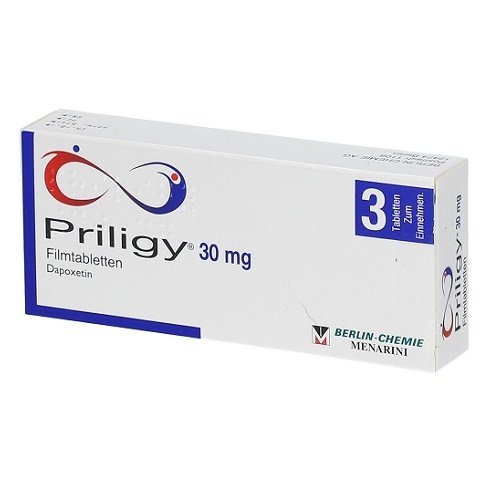
| Product Name | Priligy |
|---|---|
| Main Compound | Dapoxetine |
| Intended Use | Treatment of Premature Ejaculation in adult men |
| Pill Strengths Offered | 30 mg, 60 mg |
| Time Until Effect is Felt | Usually within 1-3 hours after intake |
| How Long the Effect Lasts | Up to 4 hours |
| How To Take | On-demand, not for daily use |
| Prescription Status (U.S.) | Prescription required (per FDA regulations) |
Priligy for Premature Ejaculation: What Men in the United States Need to Know
Priligy, with the active molecule dapoxetine, is specifically designed to help men manage premature ejaculation—a common and often distressing sexual health concern. It is approved for use in the United States and is legally available through prescription, offering a medical approach to improving control and satisfaction during intercourse. Understanding how Priligy works and whether it matches your circumstances is essential before making any decisions about treatment.
Recognizing the Problem: Premature Ejaculation is Common and Treatable
Premature ejaculation (PE) is among the most frequent male sexual difficulties, but it is rarely talked about openly. According to the American Urological Association, roughly 1 in 3 men will experience symptoms indicative of PE at some point in their lives (AUA, 2022). The World Health Organization confirms that premature ejaculation affects millions globally, with estimates suggesting prevalence rates between 20% and 30% among sexually active men (WHO, 2021). Many men feel isolated by this problem, but in reality, it is a widespread and well-understood condition that responds to targeted interventions—including treatment options like Priligy.
How Priligy Works: The Science and the Real-Life Experience
Priligy’s active substance, dapoxetine, belongs to a group of medications known as short-acting selective serotonin reuptake inhibitors (SSRIs). Physiologically, dapoxetine increases the activity of serotonin in the nervous system—a neurotransmitter involved in controlling ejaculation. By slowing the reuptake of serotonin, dapoxetine strengthens the pathways that delay ejaculation reflexes. In plain terms, this means a man taking Priligy will usually notice he has more control over when he ejaculates, allowing for longer intercourse and less anxiety about “finishing too soon.”
- How quickly it works: Most men feel an effect within 1-3 hours after swallowing the tablet, making it suitable for planned sexual activity.
- How it feels in practice: For many, Priligy extends the time to ejaculation, increases sexual confidence, and reduces stress related to performance. However, personal experience varies.
Doctors in the United States highlight that Priligy is not a cure, but a tool: it manages symptoms while it is active in the body, and the effect wears off within a few hours. It does not cause sedation and is not associated with the side effects typical of longer-term antidepressant SSRIs.
Is Priligy Right for You? Matching Treatment to Real-Life Situations
| Your Situation | Should You Consider Priligy? | Reasoning |
|---|---|---|
| You have frequent early ejaculation and want a fast, on-demand solution | Yes | Priligy is designed for men seeking flexible, as-needed treatment that works within hours. |
| You prefer to avoid taking daily pills or long-term medications | Yes | Dapoxetine is taken only when needed, so there is no daily commitment or ongoing drug exposure. |
| You have moderate PE but also struggle with erectile dysfunction (ED) | Sometimes | Priligy can be used in combination with certain ED medications (with medical supervision), but may not address all concerns. |
| You have significant liver or kidney disease, or use certain antidepressants | No | Priligy may be unsafe in these contexts due to metabolism and drug interaction risks—alternative strategies are needed. |
| Your ejaculation timing is only a rare or new issue (less than 6 months) | No | Brief or occasional difficulties often resolve with time or lifestyle adjustments and may not require medication. |
Each man’s needs are unique. Before starting any medication for PE, a brief consultation with a healthcare provider—online or in person—ensures the best match and safety.
How to Use Priligy: Real-World Guidance and What to Expect
Using Priligy is straightforward, but several details make a difference in outcome and comfort. The typical approach is to take one tablet (30 mg or 60 mg, as prescribed) with a full glass of water 1 to 3 hours before planned sexual activity. It should not be taken more than once in 24 hours.
- With or without food: Food does not significantly affect absorption, so you can take Priligy on an empty or full stomach.
- Alcohol: Limit or avoid alcohol while using Priligy. Combining the two increases the likelihood of side effects such as dizziness, fainting, or impaired judgment.
If you forget to take your dose, skip it if sexual activity is already completed or no longer planned—do not “double up.” If Priligy does not work the first time, it may be worth trying again on a different occasion (some men require several attempts to notice the full benefit). However, if there is no improvement after a few uses, discuss alternative options with your doctor.
Normal responses include a dry mouth, mild nausea, or a “light-headed” feeling—these usually resolve within a few hours. Persistent or severe reactions are not expected and should be discussed with a healthcare provider.
Who Should Not Use Priligy: Contraindications with Explanation
- Significant heart problems: Priligy is not recommended for those with known heart rhythm disorders or uncontrolled heart disease, as dapoxetine can affect heart conduction and may worsen these conditions.
- Severe liver impairment: The body relies on the liver to break down dapoxetine. Severe liver disease raises the risk of dangerous drug accumulation.
- Current use of monoamine oxidase inhibitors (MAOIs) or thioridazine: Dangerous interactions can occur due to effects on brain chemistry and heart rhythm.
- Under 18 or over 65: Priligy has not been sufficiently studied in these age groups for PE, and risks are not clearly defined.
- Known allergy to dapoxetine or similar compounds: Allergic reactions, though rare, can occur and be severe.
If you fall into any of these categories, alternative strategies for PE management are more appropriate. A clinician can help find the safest solution for your situation.
Side Effects: What May Occur and When to Seek Help
Most side effects from Priligy are mild and temporary, resolving on their own within a few hours. The most commonly reported include:
- Nausea
- Dizziness or feeling faint (especially when standing up)
- Headache
- Dry mouth
- Feeling anxious or restless
Less frequently, some men may experience blurred vision, sweating, or digestive discomfort. Rare but significant effects—such as serious mood changes or very low blood pressure—require prompt medical attention.
If you experience loss of consciousness (fainting that does not resolve), severe allergic reactions (swelling of the face/tongue, difficulty breathing), or chest pain after taking Priligy, call 911 or seek immediate emergency care in the United States. These are highly unusual but require urgent evaluation.
Drug Interactions: What Not to Mix with Priligy
Certain medications and substances can interact dangerously with Priligy, either increasing side effect risk or reducing its effectiveness. Key examples include:
- Other serotonergic drugs: Combining Priligy with SSRIs, SNRIs, MAOIs, or tryptophan can increase the risk of serotonin syndrome—a potentially serious reaction marked by agitation, rapid heartbeat, confusion, and muscle stiffness.
- Strong inhibitors of CYP3A4 (such as ketoconazole, ritonavir, or some antibiotics): These medications can prevent the body from breaking down dapoxetine, raising blood levels and side effect risks.
- Alcohol: While not a medication, alcohol’s sedative effect is amplified by Priligy and may increase the chance of fainting or poor coordination.
Always review your current medication list with a healthcare provider before starting Priligy, especially if you use any psychiatric medications, heart medications, or herbal supplements.
Comparing Priligy with Alternatives: Which Approach is Best?
For men considering options, Priligy stands out as the only SSRI specifically approved for “on-demand” use in premature ejaculation. Alternative treatments include behavioral exercises, topical desensitizing sprays or creams, other oral SSRIs (used “off-label”), and physical therapy. Each has its own advantages and limitations:
- Priligy/dapoxetine: Fast onset, short duration, designed for as-needed use. Well-tolerated by most men and effective in improving control.
- Paroxetine/sertraline (other SSRIs): Sometimes prescribed off-label, but require daily dosing and have more long-term side effects.
- Desensitizing creams/sprays: Act locally, avoid systemic effects, but can numb both partners and may be less effective for severe PE.
- Behavioral therapy: Can be effective, especially when combined with medication, but may take weeks or months to show results.
Priligy is often preferred by men who want a fast, reversible option without daily medication. However, it is not suitable for all—particularly those with complex health histories or who prefer non-pharmaceutical approaches. Talking with a clinician can clarify which path best fits your needs.
Costs, Access, and What to Expect in the United States
Priligy is available by prescription from licensed healthcare providers and can be purchased through most brick-and-mortar pharmacies as well as reputable online services that require a valid prescription. Pricing varies by location and source. The table below outlines the typical range of expenses associated with obtaining Priligy in the United States:
| Cost Item | Amount (USD) | Context |
|---|---|---|
| Telemedicine consultation | $30 – $100 | Initial evaluation and prescription; often required for online orders |
| Prescription fee | $0 – $20 | Varies by pharmacy; sometimes included in consultation |
| Priligy medication (per 4 tablets, 30 mg) | $65 – $120 | Price depends on pharmacy and insurance coverage |
| Priligy medication (per 4 tablets, 60 mg) | $85 – $150 | Higher dose, higher cost |
| Delivery (if ordered online) | $5 – $25 | Standard or express shipping |
| Total Estimated Cost | $100 – $295 | Depends on dose, provider, and delivery choice |
Generic dapoxetine is not widely available in the United States. Insurance coverage for Priligy varies; some plans may reimburse part of the cost, but many do not cover it for sexual health indications. Always ask your pharmacy if a manufacturer’s discount or savings card is offered. U.S. law requires a prescription, and while some online vendors may advertise Priligy “without prescription,” this practice is not in line with FDA regulations and carries potential legal and safety risks.
Tying Up Loose Ends: Addressing Remaining Uncertainties
What if Priligy does not work for me?Not all men will benefit equally. If there is little or no improvement after several attempts at the prescribed dose, consult your healthcare provider. They may recommend behavioral techniques, dose adjustment, or trying an alternative therapy.
Is it safe to order Priligy online?Ordering through U.S.-based, licensed telemedicine services that require a prescription is both legal and safe. Be cautious of websites offering Priligy without proper screening or a prescription—counterfeit drugs and unsafe products are a real risk.
What role does the FDA play?The U.S. Food and Drug Administration (FDA) regulates and approves prescription medications, including Priligy/dapoxetine, for safety and effectiveness. If you obtain your medication from a licensed pharmacy, you are getting an FDA-approved product.
Can I use Priligy with other sexual health treatments?Certain combinations (e.g., with ED medications like sildenafil) may be possible, but should always be done under medical supervision to avoid interactions and maximize benefit.
